 MOHAMMAD ABUBAKR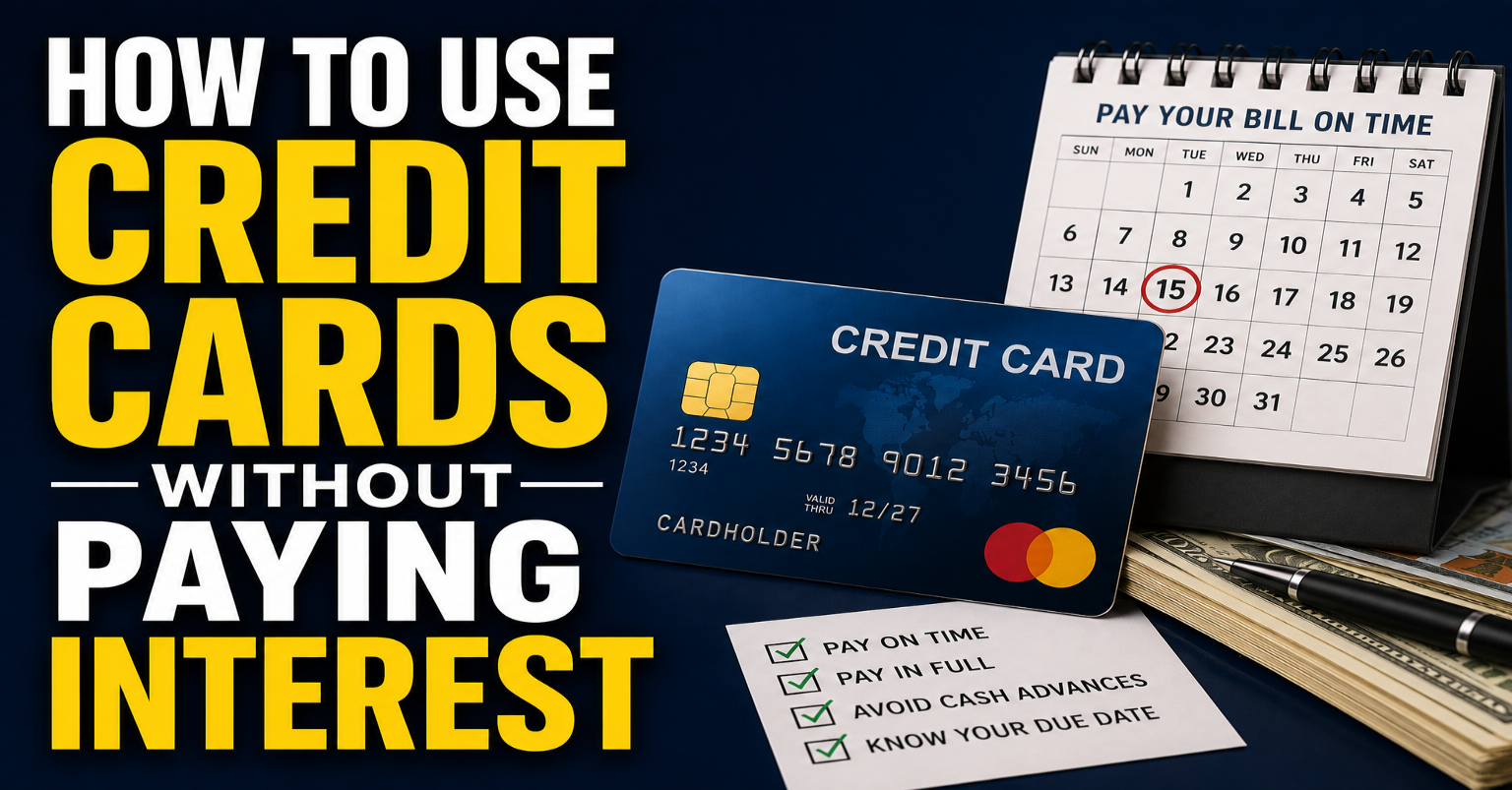
Introduction
Credit cards can be useful financial tools.
They make shopping convenient, improve cash flow, and may even offer rewards.
However, many people pay interest simply because they misunderstand how credit cards work.
Fortunately, avoiding interest is easier than most people think.
With responsible habits and careful planning, you can use your credit card regularly without paying extra borrowing costs.
In this guide, you’ll learn practical strategies to avoid credit card interest while protecting your credit score and strengthening your financial health.
Why Credit Card Interest Matters
Interest charges increase the cost of your purchases.
Over time, those extra costs can reduce your savings and make it harder to reach financial goals.
Avoiding interest can help you:
- Save money.
- Reduce financial stress.
- Improve cash flow.
- Build better credit habits.
- Keep more of your income.
Responsible credit card use allows you to enjoy convenience without unnecessary costs.
1. Pay Your Statement Balance in Full
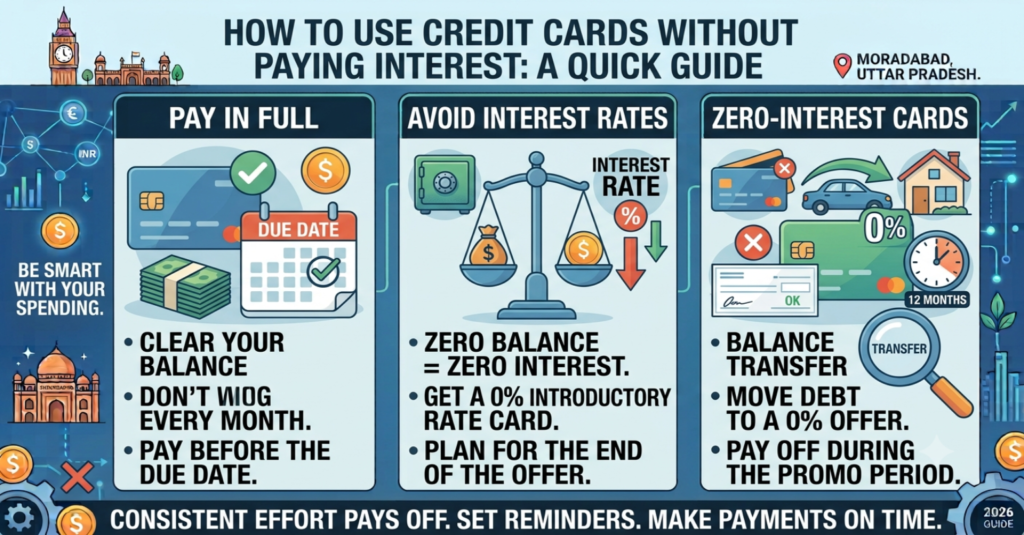
The simplest way to avoid credit card interest is to pay your entire statement balance before the payment due date.
When you pay the full statement balance on time, most purchases remain within the card’s grace period.
As a result, you can avoid interest on those purchases.
Review every monthly statement carefully and pay the full amount whenever possible.
2. Never Miss the Payment Due Date
Even if you cannot pay the full balance, making at least the required payment before the due date helps you avoid late payment penalties.
However, paying the full statement balance remains the best strategy for avoiding interest.
Setting calendar reminders or automatic payments can help you stay on schedule.
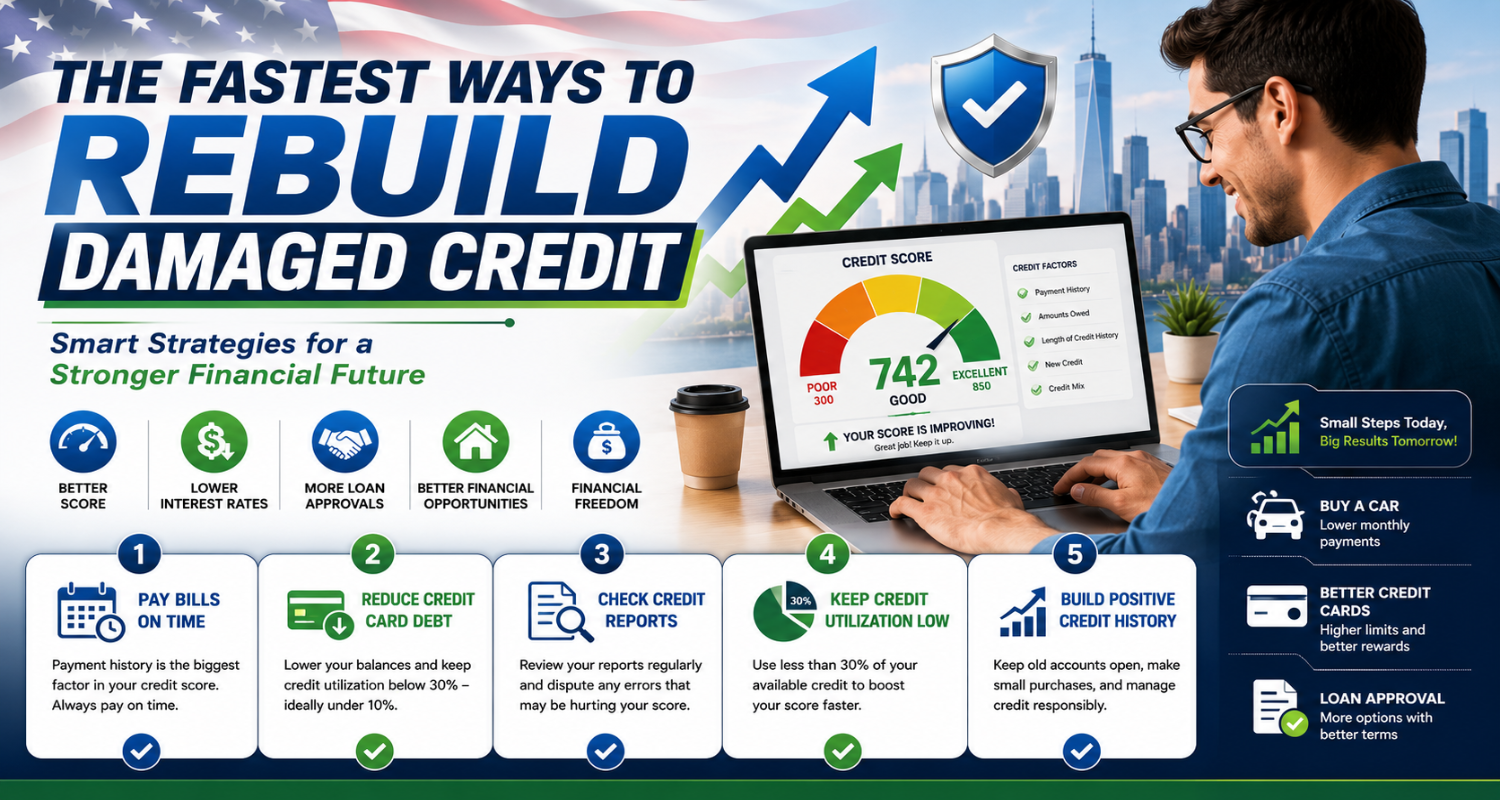
Paying on time protects more than your wallet. Read our How One Missed Payment Can Affect Your Credit guide to understand how late payments may influence your credit score and future borrowing opportunities.
3. Understand Your Billing Cycle
Many cardholders ignore their billing cycle.
Understanding when purchases appear on your statement helps you plan payments more effectively.
Pay attention to:
- Statement closing date.
- Payment due date.
- Current balance.
- Statement balance.
- Available credit.
Knowing these dates makes managing your credit card much easier.
4. Avoid Carrying a Balance
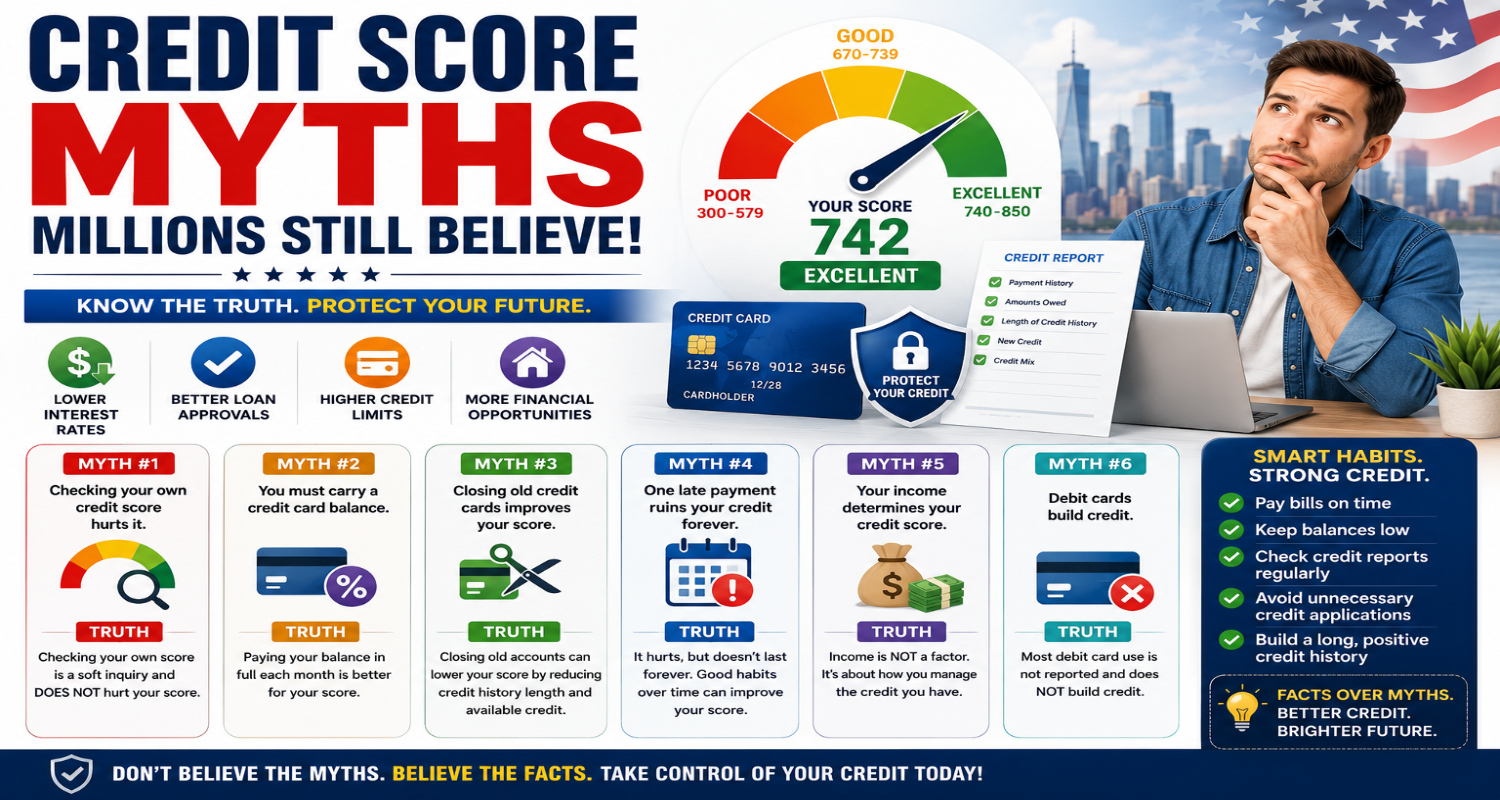
Some people believe carrying a balance improves their credit score.
That is a common misconception.
In reality, carrying a balance usually results in interest charges.
Paying your statement balance in full each month is generally the better approach for avoiding unnecessary borrowing costs.
5. Keep Your Spending Within Your Budget
A credit card should not increase your spending.
Instead, use it only for purchases you can already afford.
Before using your card, ask yourself:
- Can I pay this off next month?
- Is this purchase necessary?
- Does it fit my monthly budget?
Following a budget reduces the likelihood of carrying debt.
6. Monitor Your Account Regularly
Checking your account frequently helps you stay in control.
Review your transactions to:
- Confirm purchases.
- Detect errors.
- Identify fraud.
- Track spending.
- Monitor your balance.
Regular monitoring also helps you avoid unexpected surprises when your statement arrives.
Responsible Habits Save Money
Avoiding credit card interest does not require complicated strategies.
Instead, it comes down to paying attention, staying organized, and making consistent financial decisions.
Small habits practiced every month can save a significant amount of money over time.
7. Watch Out for Cash Advances
Using your credit card for a cash advance is usually much more expensive than making regular purchases.
Cash advances may:
- Start charging interest immediately.
- Include additional transaction fees.
- Carry higher interest rates than purchases.
Before taking a cash advance, review your card’s terms carefully.
Whenever possible, explore less expensive alternatives.
8. Use Automatic Payments Carefully
Automatic payments help prevent missed due dates.
They can also reduce late fees and protect your credit history.
However, review your account regularly to ensure:
- Payments are processed correctly.
- Your bank account has enough funds.
- Transactions are accurate.
- Unauthorized charges are reported quickly.
Automation works best when combined with regular account monitoring.
9. Avoid Maxing Out Your Credit Limit
Using too much of your available credit can create financial pressure.
It may also make it harder to pay your balance in full each month.
Instead:
- Keep purchases within your budget.
- Leave available credit for emergencies.
- Pay down balances regularly.
- Review your spending throughout the month.
Responsible spending makes it easier to avoid interest charges.
10. Read Your Card’s Terms and Benefits
Every credit card is different.
Understanding your account agreement helps you avoid costly surprises.
Pay attention to:
- Interest rates (APR)
- Grace period
- Annual fees
- Late payment fees
- Foreign transaction fees
- Reward program rules
Knowing your card’s features allows you to use it more effectively.
Common Credit Card Mistakes
Many people pay unnecessary interest because of avoidable mistakes.
Watch out for these common errors:
- Paying only the minimum payment.
- Missing payment due dates.
- Carrying a balance every month.
- Overspending to earn rewards.
- Ignoring billing statements.
- Taking unnecessary cash advances.
Avoiding these habits can save money while improving your financial health.
The Consumer Financial Protection Bureau (CFPB) offers trusted guidance on credit cards, interest charges, billing rights, grace periods, and responsible borrowing. Reviewing these resources can help you make informed decisions and avoid unnecessary interest costs.
Frequently Asked Questions
Can I avoid credit card interest completely?
Yes.
For many credit cards, paying your full statement balance by the due date allows you to avoid interest on new purchases during the grace period.
Always review your card’s terms because rules may vary.
Is paying the minimum payment enough?
Paying the minimum amount helps you avoid late-payment penalties.
However, interest may still be charged on the remaining balance.
Paying the full statement balance is usually the best way to avoid interest.
Does carrying a balance improve my credit score?
No.
Carrying a balance is generally not required to build good credit.
Making on-time payments and using credit responsibly are more important.
How often should I check my credit card account?
Review your account at least once a week.
Frequent monitoring helps you track spending, detect fraud, and avoid payment surprises.
Final Thoughts
Using a credit card without paying interest is possible with the right habits.
Pay your statement balance in full.
Make every payment on time.
Stay within your budget.
Review your account regularly.
Most importantly, treat your credit card as a convenient payment tool rather than borrowed income.
Responsible credit card management can help you save money, strengthen your credit, and support your long-term financial goals.