 MOHAMMAD ABUBAKR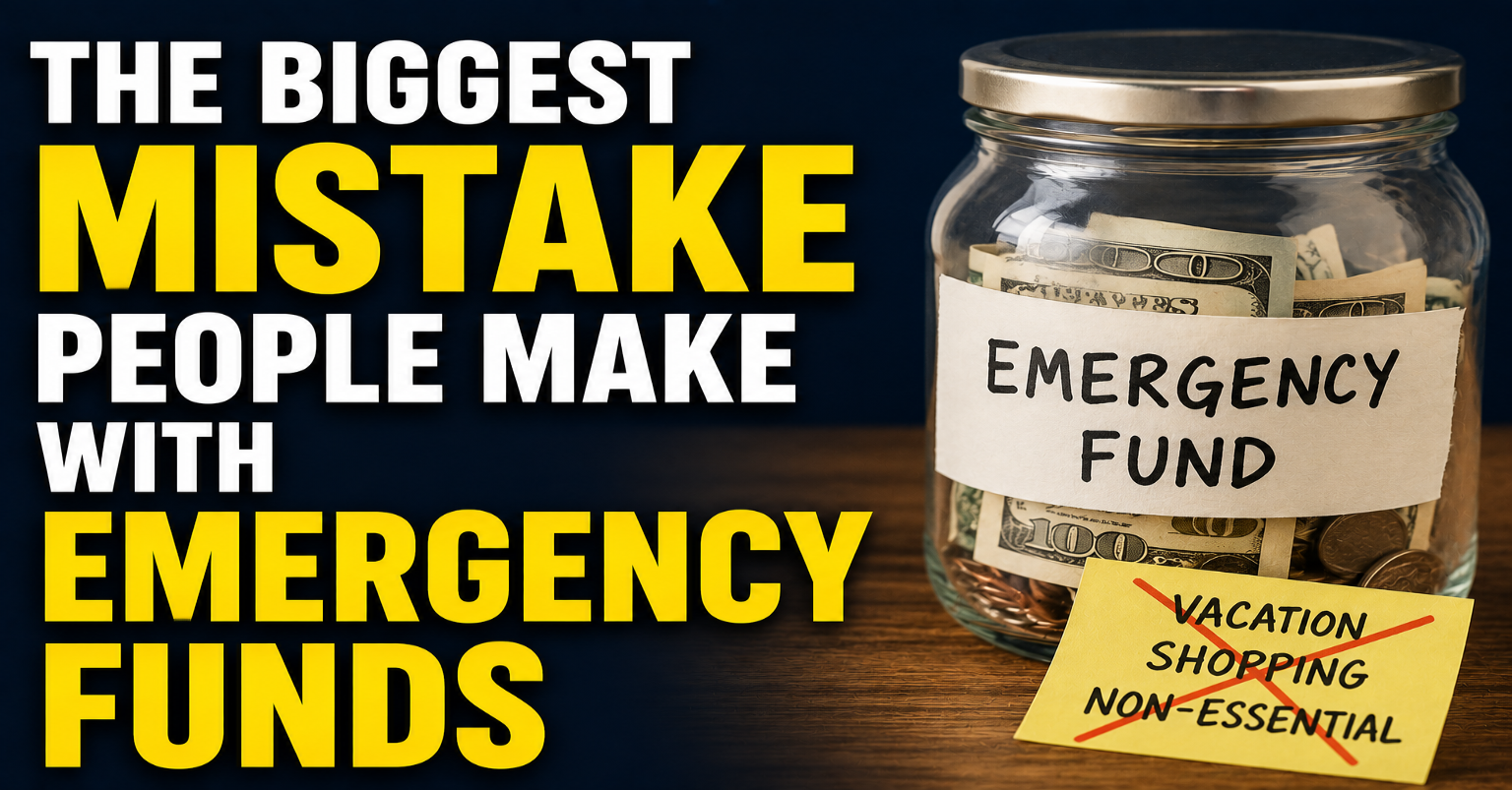
Introduction
An emergency fund is one of the most important parts of a healthy financial plan.
It helps you handle unexpected expenses without relying on credit cards or loans.
However, many people make mistakes that reduce the value of their emergency savings.
Some save too little.
Others keep their money in the wrong place.
Many simply do not have a clear plan for when to use the fund.
Fortunately, these mistakes are easy to avoid.
With the right strategy, your emergency fund can provide financial stability and greater peace of mind.
In this guide, you’ll learn the biggest mistake people make with emergency funds and how to build savings that truly work when life takes an unexpected turn.
Why an Emergency Fund Matters
Unexpected expenses can happen at any time.
Examples include:
- Medical bills
- Car repairs
- Home maintenance
- Job loss
- Emergency travel
- Major appliance replacement
Without emergency savings, many people rely on high-interest debt.
A dedicated emergency fund helps you cover these costs while protecting your long-term financial goals.
1. Not Saving Enough
One of the most common mistakes is building a fund that is too small.
A few hundred dollars may help with minor emergencies.
However, larger events often require much more.
Many financial experts suggest saving enough to cover several months of essential living expenses.
The right amount depends on your income, job stability, and household needs.
Start with a realistic goal.
Then continue adding to your savings over time.
2. Using the Fund for Non-Emergencies
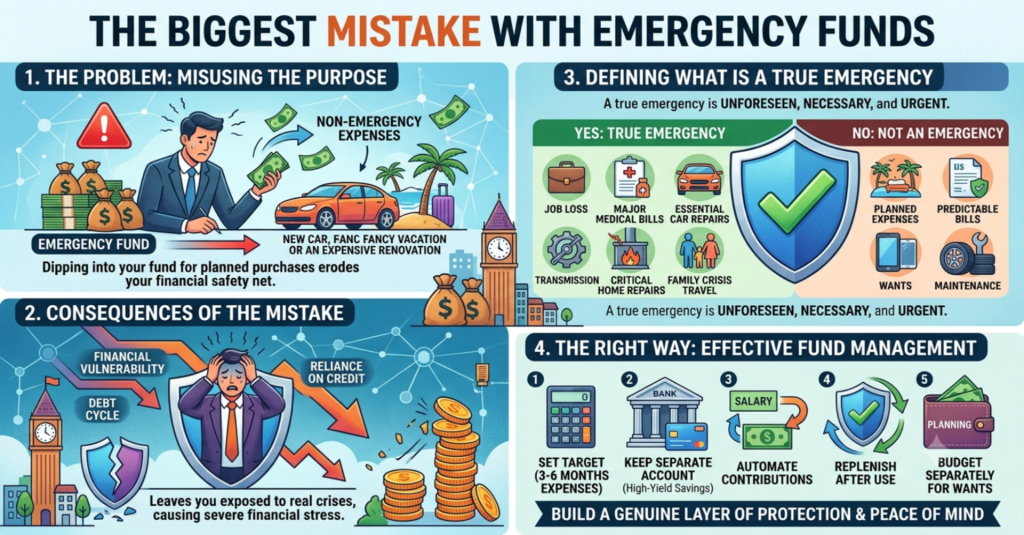
An emergency fund should only be used for genuine financial emergencies.
Examples include:
- Unexpected medical expenses
- Essential vehicle repairs
- Emergency home repairs
- Temporary income loss
Vacations, holiday shopping, or luxury purchases should not come from emergency savings.
Keeping clear rules helps preserve your financial safety net.
3. Keeping the Money Too Difficult to Access
Some people invest their emergency savings in accounts that are difficult to access quickly.
While long-term investments may offer higher returns, emergencies require immediate access to cash.
Many people prefer keeping emergency funds in accounts that provide both safety and liquidity.
The goal is to access your money quickly when it is truly needed.
4. Forgetting to Rebuild the Fund
After using emergency savings, many people never replace the money.
As a result, the next unexpected expense becomes even more difficult to manage.
Whenever you use part of your emergency fund, make rebuilding it a priority.
Even small monthly contributions can restore your financial cushion over time.
5. Ignoring Inflation
Prices change over time.
As your living expenses increase, your emergency fund should also grow.
Review your savings goal every year.
Adjust it if:
- Housing costs increase.
- Insurance premiums rise.
- Family expenses change.
- Your income grows.
Keeping your emergency fund up to date helps maintain its purchasing power.
6. Saving Without a Clear Goal
Many people simply save “whatever is left.”
Unfortunately, inconsistent saving often leads to slow progress.
Instead, create a specific target.
Examples include:
- Three months of expenses.
- Six months of expenses.
- A fixed dollar amount.
- Monthly automatic contributions.
Clear goals make saving easier and help you stay motivated.
If you’re looking for practical ways to increase your savings, read our How to Save $10,000 Faster Than You Think guide for proven strategies to build your emergency fund more quickly while staying on budget.
Build Savings With Purpose
An emergency fund should not happen by accident.
It should be part of your overall financial plan.
By setting clear goals and saving consistently, you can create a financial cushion that helps protect you from life’s unexpected challenges.
7. Keeping Too Much Cash in an Emergency Fund
An emergency fund should protect your finances.
However, keeping far more cash than you realistically need may slow your long-term financial growth.
Once you have reached your emergency savings goal, consider directing additional money toward other financial priorities, such as:
- Retirement savings
- Investing
- Paying down high-interest debt
- Education savings
- Long-term financial goals
Your emergency fund should provide security without preventing your money from working toward future objectives.
8. Not Automating Your Savings
Saving manually works for some people.
However, it is easy to forget or skip monthly contributions.
Automatic transfers make saving more consistent.
You can schedule money to move into your emergency savings account every payday.
Even modest automatic deposits grow steadily over time.
Consistency often matters more than the amount you save each month.
9. Using Credit Cards Instead of Emergency Savings
Some people leave their emergency fund untouched while charging unexpected expenses to a credit card.
Unfortunately, this can lead to interest charges and growing debt.
If you have built an emergency fund for genuine financial emergencies, using it for those situations is usually more practical than carrying high-interest credit card balances.
Afterward, focus on rebuilding your savings as soon as possible.
10. Never Reviewing Your Emergency Fund
Your financial situation changes over time.
A savings goal that worked a few years ago may no longer be enough.
Review your emergency fund at least once a year.
Ask yourself:
- Have my monthly expenses increased?
- Has my income changed?
- Do I have more financial responsibilities?
- Would my current savings cover an unexpected job loss?
Regular reviews help ensure your emergency fund continues to meet your needs.
How to Build a Strong Emergency Fund
Building a reliable emergency fund does not happen overnight.
Instead, focus on steady progress.
These habits can help:
- Create a monthly savings goal.
- Automate contributions.
- Reduce unnecessary spending.
- Save unexpected income, such as bonuses or tax refunds.
- Keep your emergency savings separate from everyday spending.
- Review your progress regularly.
Small, consistent actions often produce meaningful financial results.
The Consumer Financial Protection Bureau (CFPB) offers practical guidance on emergency savings, budgeting, and financial preparedness. Its resources can help you build stronger saving habits and prepare for unexpected financial challenges.
Frequently Asked Questions
How much should I keep in an emergency fund?
The right amount depends on your personal situation.
Many financial professionals recommend saving enough to cover several months of essential living expenses.
Your income, job stability, and family responsibilities should help determine your goal.
Where should I keep my emergency fund?
Many people choose an account that provides easy access to cash while keeping the money separate from everyday spending.
The right choice depends on your financial needs and preferences.
Should I invest my emergency fund?
Because emergency savings are intended for unexpected expenses, many people prioritize safety and accessibility over higher investment returns.
Consider your personal financial situation before making decisions.
How often should I add money to my emergency fund?
Saving regularly is usually more effective than making occasional large deposits.
Automatic monthly contributions can help you stay consistent.
Final Thoughts
An emergency fund is more than a savings account.
It is a financial safety net that helps you handle life’s unexpected challenges with greater confidence.
Avoid common mistakes.
Set a realistic savings goal.
Review your progress regularly.
Use your emergency fund only for genuine emergencies.
Most importantly, rebuild it whenever you use it.
Strong financial habits today can provide greater stability and peace of mind for years to come.