
 MOHAMMAD ABUBAKR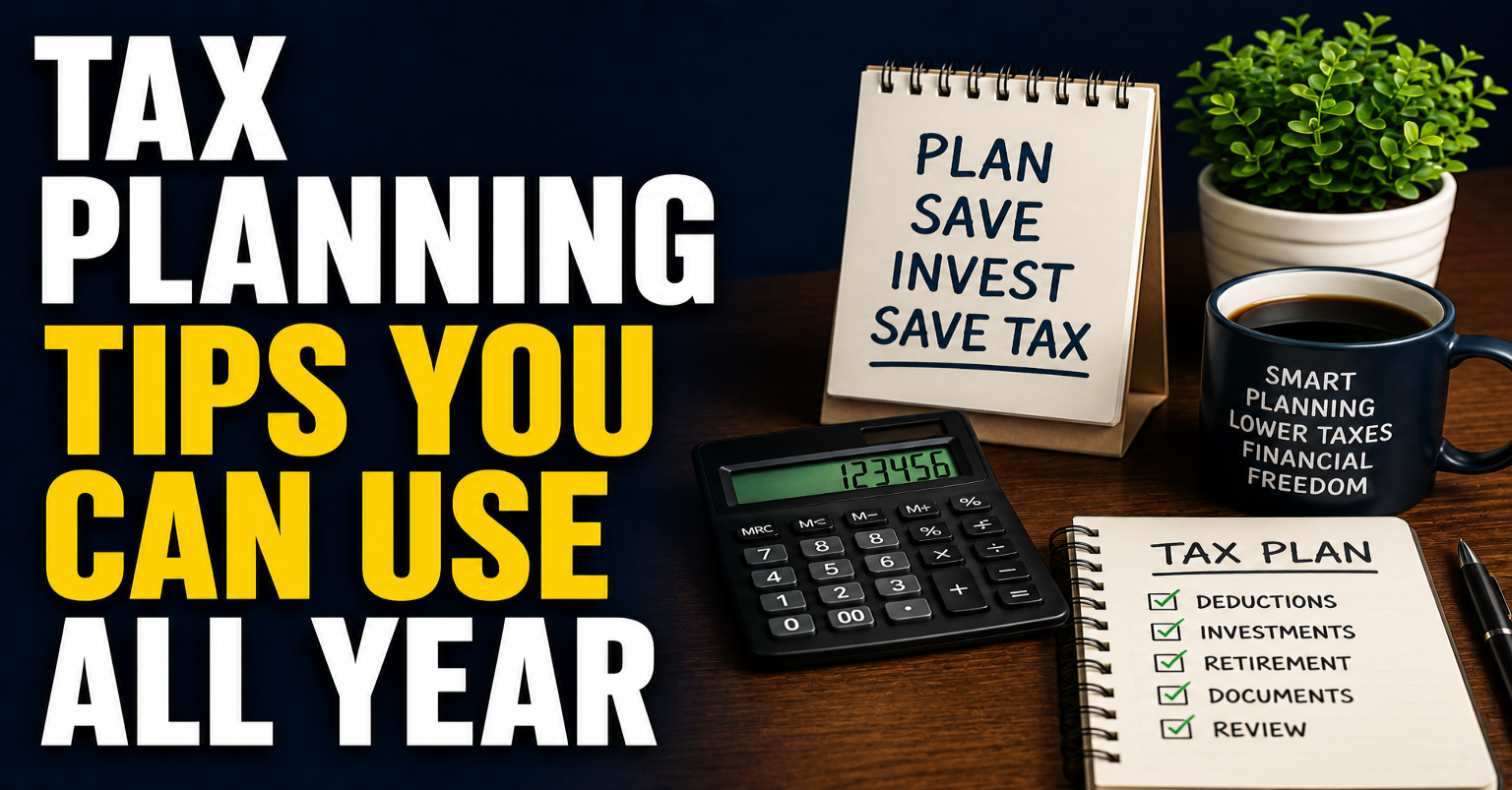
Introduction
Many people think about taxes only when filing season arrives.
However, effective tax planning happens throughout the year.
Staying organized and making informed financial decisions can reduce stress, improve recordkeeping, and help you prepare for tax time with greater confidence.
Tax planning is not about finding last-minute solutions.
It is about building good financial habits that support your long-term goals.
In this guide, you’ll learn practical tax planning tips you can use all year to stay financially organized.
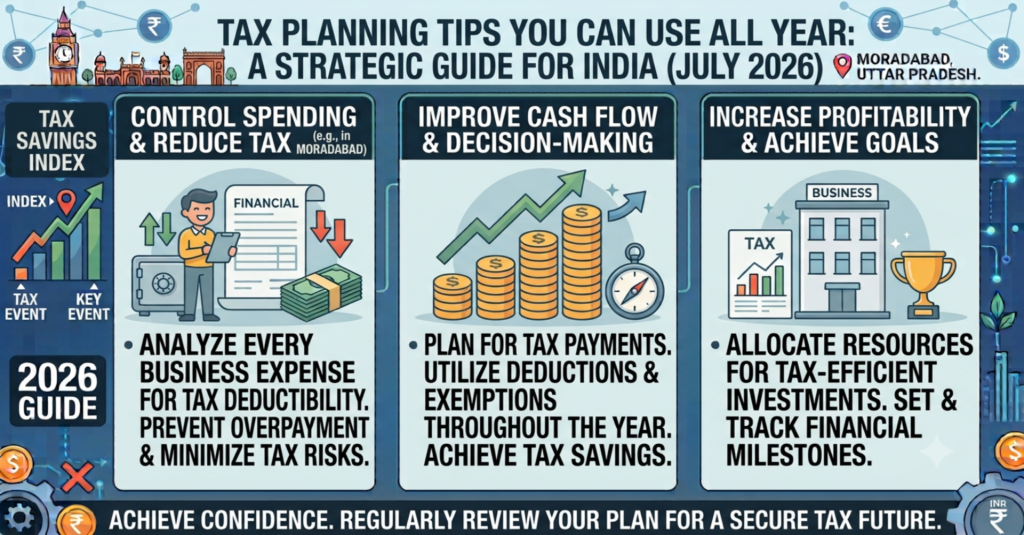
Why Year-Round Tax Planning Matters
Waiting until tax season can make financial organization more difficult.
Planning throughout the year helps you:
- Keep accurate records.
- Track important financial documents.
- Avoid last-minute stress.
- Prepare for future tax obligations.
- Make informed financial decisions.
Small habits practiced consistently can make tax season much easier.
1. Keep Organized Financial Records
Good recordkeeping is the foundation of effective tax planning.
Save important documents such as:
- Income statements.
- Business records.
- Expense receipts.
- Bank statements.
- Investment documents.
- Donation records.
Organized records make preparing your tax return much simpler.
2. Track Deductible Expenses Throughout the Year
Waiting until tax season to find receipts can be frustrating.
Instead, record eligible expenses as they occur.
Depending on your situation, examples may include:
- Business expenses.
- Professional education.
- Charitable donations.
- Qualified work-related expenses.
Maintaining accurate records helps support your tax documentation.
3. Review Your Income Regularly
Income may change during the year because of:
- Salary increases.
- Bonuses.
- Freelance work.
- Investments.
- Business income.
Monitoring your income helps you prepare for potential tax obligations and improve financial planning.
4. Maintain Separate Business and Personal Finances
If you own a business or work as a freelancer, separate financial accounts simplify recordkeeping.
Separate accounts help you:
- Track business income.
- Monitor business expenses.
- Improve bookkeeping.
- Prepare financial reports.
- Reduce confusion during tax season.
Financial organization saves time throughout the year.
5. Plan Major Financial Decisions Carefully
Large financial decisions may have tax implications.
Examples include:
- Selling investments.
- Starting a business.
- Purchasing business equipment.
- Changing employment.
- Buying real estate.
Considering potential tax effects before making major decisions supports better financial planning.
6. Review Your Budget Regularly
Budgeting and tax planning work well together.
A monthly budget helps you:
- Monitor income.
- Track expenses.
- Increase savings.
- Prepare for future financial obligations.
Financial awareness throughout the year reduces surprises later.
A well-planned budget makes financial organization much easier. Read our How to Create a Business Budget That Works guide to learn practical budgeting strategies that support smarter financial management throughout the year.
Good Organization Reduces Tax Stress
Tax planning becomes much easier when you stay organized.
Instead of rushing during filing season, you can focus on reviewing accurate financial information collected throughout the year.
7. Set Aside Money for Taxes
If you earn income outside of a traditional paycheck, planning ahead for taxes is essential.
Freelancers, contractors, and small business owners often benefit from setting aside a portion of their income throughout the year.
Doing so can help you:
- Prepare for future tax payments.
- Improve cash flow.
- Reduce financial stress.
- Avoid scrambling at tax time.
Planning ahead makes managing tax obligations much easier.
8. Review Tax Law Changes
Tax laws can change from year to year.
Staying informed helps you understand how updates may affect your finances.
Pay attention to changes involving:
- Tax brackets.
- Contribution limits.
- Tax credits.
- Tax deductions.
- Filing requirements.
Reviewing reliable sources can help you make informed financial decisions.
9. Use Digital Tools to Stay Organized
Technology can simplify year-round tax planning.
Many people use digital tools to:
- Store receipts.
- Track expenses.
- Monitor income.
- Organize tax documents.
- Create financial reports.
Using one consistent system reduces paperwork and improves organization.
10. Don’t Wait Until Filing Season
One of the biggest tax planning mistakes is postponing everything until the filing deadline.
Instead:
- Review your finances monthly.
- Update financial records regularly.
- Organize important documents.
- Track deductible expenses.
- Prepare throughout the year.
Small monthly efforts make tax season much less stressful.
Common Tax Planning Mistakes
Avoid these common mistakes that can create unnecessary stress:
- Waiting until tax season to organize records.
- Losing important receipts.
- Mixing personal and business finances.
- Forgetting deductible expenses.
- Ignoring tax law changes.
- Failing to review financial records regularly.
Avoiding these mistakes helps create a smoother tax preparation process.
The Internal Revenue Service (IRS) provides official guidance on tax planning, recordkeeping, deductions, credits, and filing requirements. Reviewing these resources throughout the year can help you stay organized and prepare for tax season with greater confidence.
Frequently Asked Questions
Why is year-round tax planning important?
Year-round tax planning helps you stay organized, monitor your finances, prepare for future tax obligations, and reduce stress during filing season.
What records should I keep for tax purposes?
Common records include income statements, expense receipts, bank statements, investment documents, charitable donation records, and business financial records.
The exact documents you need depend on your personal financial situation.
How often should I review my tax records?
Many people benefit from reviewing their financial records every month.
Regular reviews make it easier to identify missing documents and stay organized.
Can budgeting help with tax planning?
Yes.
A budget helps you monitor income and expenses throughout the year, making tax preparation more organized and financially manageable.
Final Thoughts
Tax planning is not something to think about only once a year.
Small, consistent financial habits can make tax season far less stressful.
Keep organized records.
Track expenses.
Review your finances regularly.
Plan ahead for major financial decisions.
By taking a proactive approach throughout the year, you can stay organized, improve financial confidence, and make tax season much easier to manage.