 MOHAMMAD ABUBAKR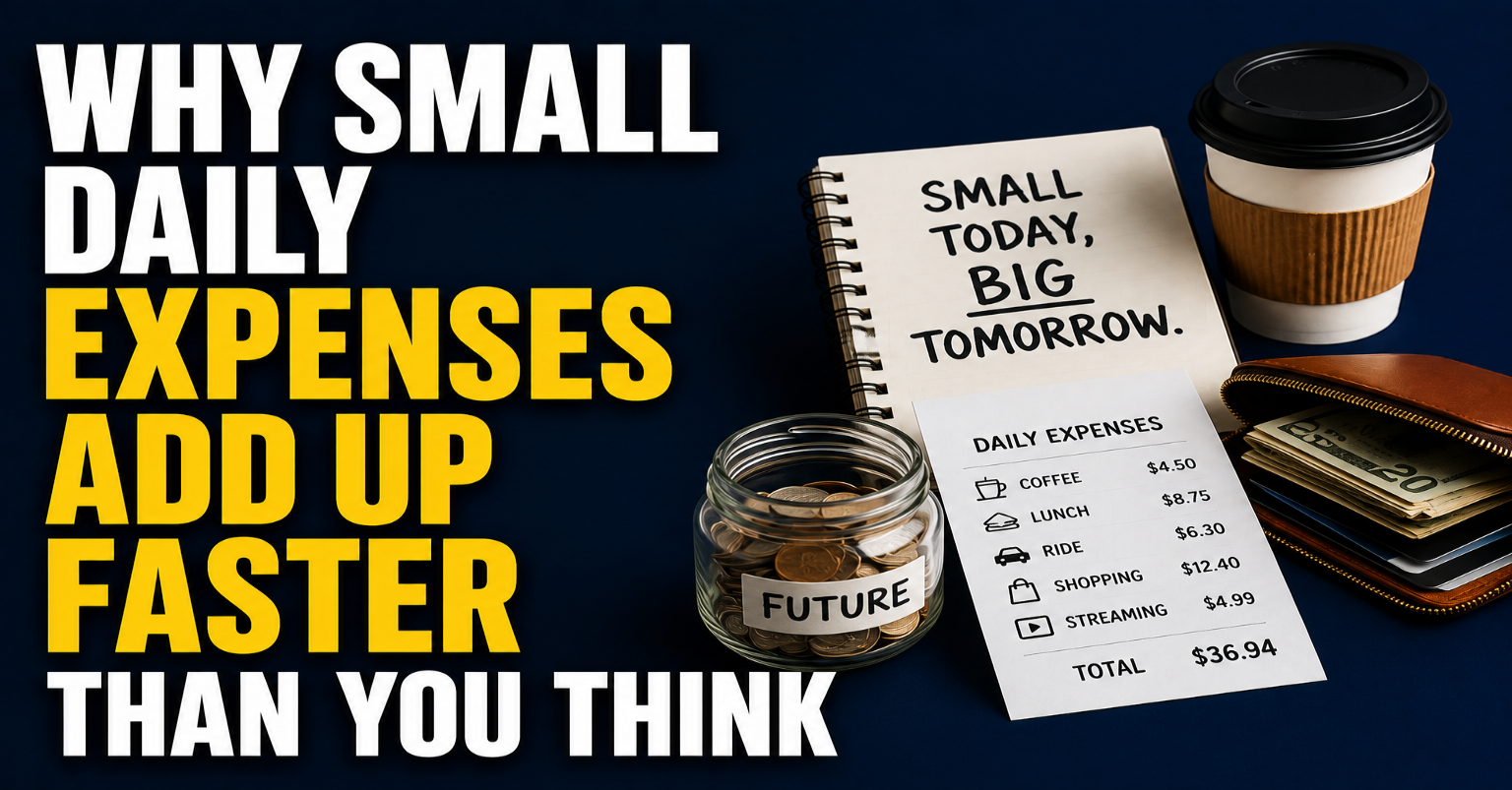
Introduction
Many people worry about major expenses like rent, mortgages, or car payments.
However, small daily purchases often have a bigger impact on your finances than you might expect.
A coffee on the way to work, food delivery fees, streaming subscriptions, or impulse purchases may seem inexpensive on their own.
Over weeks, months, and years, these small expenses can quietly consume thousands of dollars.
The good news is that you don’t have to eliminate everything you enjoy.
Instead, understanding where your money goes can help you make smarter financial decisions without feeling deprived.
In this guide, you’ll learn why small daily expenses add up faster than you think and how simple habits can improve your financial future.
Why Small Purchases Matter
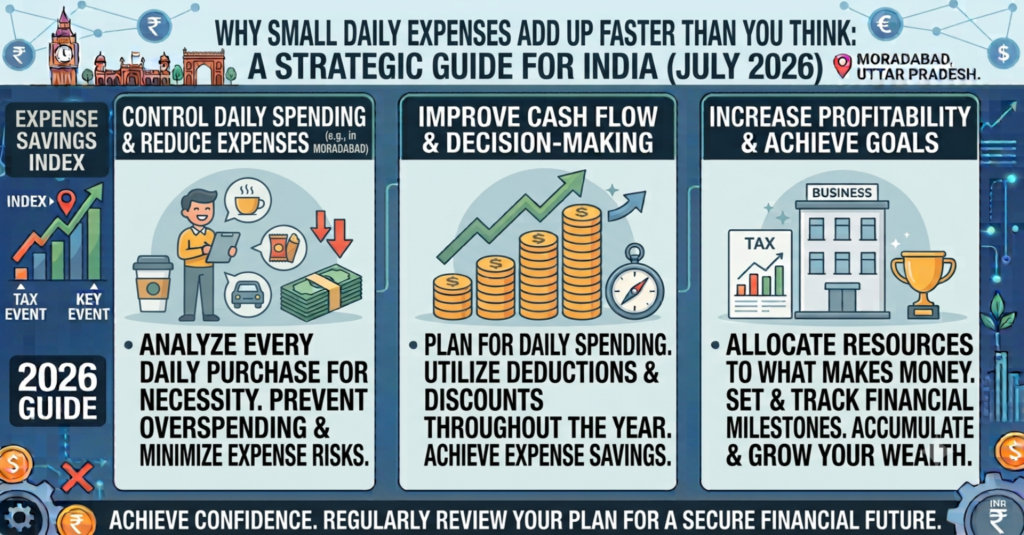
Small purchases rarely feel significant in the moment.
Because each expense seems affordable, many people don’t pay much attention to them.
However, when repeated consistently, these purchases can have a major impact on your monthly budget.
Tracking everyday spending helps you understand where your money is actually going.
1. Small Purchases Become Monthly Costs
Spending just a few dollars each day may not seem like much.
But those expenses quickly add up over an entire month.
Common examples include:
- Coffee shop visits.
- Snacks.
- Food delivery fees.
- Convenience store purchases.
- Parking fees.
- Mobile app purchases.
Looking at your total monthly spending often tells a very different story than looking at individual purchases.
2. Subscription Services Are Easy to Forget
Many households pay for multiple subscription services.
Examples include:
- Video streaming.
- Music streaming.
- Cloud storage.
- Fitness apps.
- Software subscriptions.
Because payments happen automatically, it’s easy to overlook how much they cost over time.
Reviewing subscriptions regularly can help eliminate services you no longer use.
3. Convenience Often Costs More
Convenience saves time.
However, it often increases spending.
Examples include:
- Food delivery.
- Express shipping.
- Ride-sharing.
- Prepared meals.
- Premium services.
Paying for convenience occasionally may be worthwhile.
Making it a daily habit can become expensive.
4. Impulse Buying Happens Quickly
Many purchases are made without planning.
Impulse spending often occurs:
- While shopping online.
- At grocery checkout lines.
- During sales promotions.
- Through social media advertisements.
Waiting before making non-essential purchases can help reduce unnecessary spending.
5. Cashless Payments Feel Different
Digital payments make spending easier.
Credit cards, mobile wallets, and online payments reduce the feeling of handing over cash.
As a result, many people spend more without realizing it.
Checking your account regularly helps increase awareness of your spending habits.
6. Small Savings Can Grow Over Time
The opposite is also true.
Saving a small amount every day can produce meaningful results over the long term.
Even modest savings may help you:
- Build an emergency fund.
- Increase retirement savings.
- Invest regularly.
- Reduce debt faster.
Consistency is often more important than the amount you save each day.
Even small daily savings can grow into meaningful financial security. Read our How to Build an Emergency Fund Faster guide to learn how consistent saving habits can prepare you for unexpected expenses.
Awareness Leads to Better Financial Decisions
You don’t have to stop enjoying life to improve your finances.
Simply becoming more aware of your everyday spending can help you make smarter money decisions.
7. Track Your Spending Every Month
You cannot improve what you do not measure.
Reviewing your spending every month helps you identify where your money is going.
Look for patterns such as:
- Frequent takeout orders.
- Unused subscriptions.
- Daily convenience purchases.
- Online impulse buys.
- Bank fees.
Even small adjustments can make a noticeable difference over time.
8. Create a Spending Plan Instead of Cutting Everything
Saving money does not mean giving up every enjoyable purchase.
Instead, create a spending plan that reflects your priorities.
A balanced budget allows you to:
- Cover essential expenses.
- Save for future goals.
- Enjoy occasional treats.
- Avoid feeling restricted.
A realistic plan is often easier to maintain than an overly strict budget.
9. Give Every Dollar a Purpose
One effective budgeting strategy is assigning a purpose to every dollar you earn.
Your income can be divided into categories such as:
- Housing.
- Transportation.
- Groceries.
- Savings.
- Investments.
- Entertainment.
When your money has a plan, unnecessary spending becomes easier to recognize.
10. Focus on Long-Term Financial Goals
Small spending decisions become easier when you have a larger goal in mind.
Whether you’re saving for:
- A home.
- Retirement.
- An emergency fund.
- A vacation.
- Starting a business.
Keeping your goals visible can help you make more intentional financial choices.
Common Spending Mistakes
Many people lose money without realizing it.
Avoid these common habits:
- Ignoring small purchases.
- Buying things on impulse.
- Keeping unused subscriptions.
- Shopping without a budget.
- Spending emotionally.
- Forgetting to review monthly expenses.
Replacing these habits with mindful spending can improve your financial health.
The Consumer Financial Protection Bureau (CFPB) offers practical budgeting tools and money management resources that can help you track spending, build savings, and make informed financial decisions throughout the year.
Frequently Asked Questions
Do small daily expenses really make a difference?
Yes.
While one small purchase may seem insignificant, repeated daily spending can add up to hundreds or even thousands of dollars over the course of a year.
Should I stop buying coffee or eating out?
Not necessarily.
The goal is not to eliminate every enjoyable expense but to make intentional spending decisions that fit your budget and financial goals.
How can I track my daily spending?
Many people use budgeting apps, spreadsheets, banking tools, or a simple notebook to record expenses.
Choose a system you can use consistently.
What’s the easiest way to reduce unnecessary spending?
Start by reviewing your monthly bank and credit card statements.
Identifying recurring expenses and impulse purchases is often the quickest way to find opportunities to save.
Final Thoughts
Small daily expenses may not seem important on their own.
However, over time they can have a significant impact on your finances.
The good news is that small positive habits work the same way.
Tracking your spending, following a realistic budget, and making intentional purchasing decisions can help you save more without sacrificing the things you enjoy.
Remember, building wealth is often the result of consistent financial habits—not dramatic changes.