
 MOHAMMAD ABUBAKR
Introduction
Running a successful small business requires more than offering a great product or service.
Without a clear financial plan, even profitable businesses can struggle.
A business budget helps you understand where your money comes from, where it goes, and how to prepare for future expenses.
Instead of limiting growth, a budget gives you greater control over your finances.
In this guide, you’ll learn why every small business needs a budget and how budgeting can help your business become more stable and profitable.
Why Business Budgeting Matters
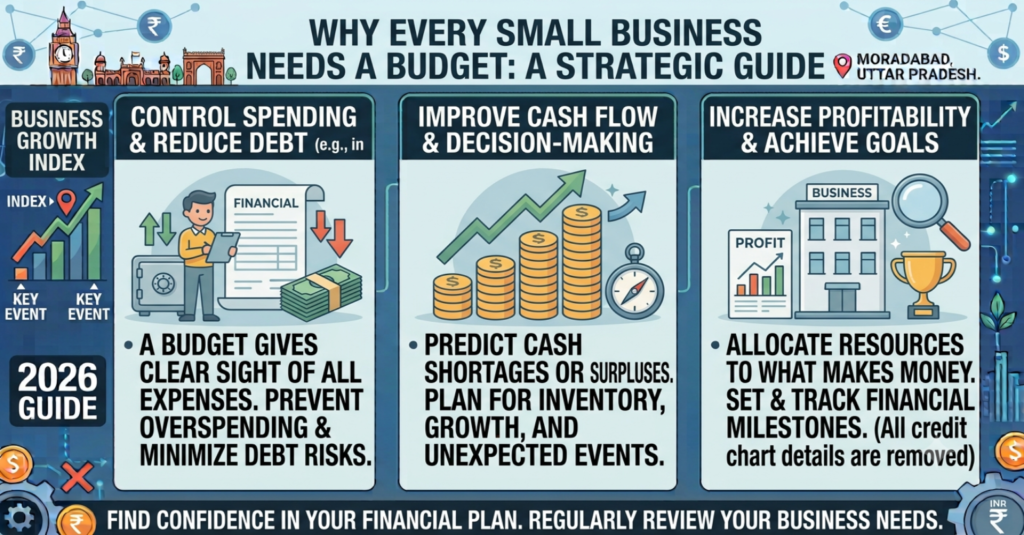
A budget serves as a financial roadmap.
It helps business owners make informed decisions rather than relying on guesswork.
A well-planned budget can help you:
- Control spending.
- Improve cash flow.
- Prepare for unexpected costs.
- Set financial goals.
- Support long-term business growth.
Businesses of every size benefit from understanding their finances.
1. A Budget Helps Control Spending
Without a budget, it becomes easier to overspend.
Tracking expenses allows you to identify where money is being used and where costs can be reduced.
Common business expenses include:
- Rent.
- Payroll.
- Marketing.
- Inventory.
- Software subscriptions.
- Utilities.
Understanding these costs helps you make smarter financial decisions.
2. Better Cash Flow Management
Cash flow keeps a business operating smoothly.
A budget helps you estimate:
- Monthly income.
- Fixed expenses.
- Variable expenses.
- Seasonal changes.
- Future cash needs.
Monitoring cash flow reduces the risk of unexpected financial shortages.
If you’re ready to build an effective financial plan, read our How to Create a Business Budget That Works guide for practical budgeting strategies that small business owners can apply immediately.
3. Budgets Support Better Decision-Making
Business owners make financial decisions every day.
A budget provides valuable information when deciding whether to:
- Hire employees.
- Purchase equipment.
- Expand operations.
- Launch new products.
- Increase marketing spending.
Having accurate financial information improves confidence when making business decisions.
4. Budgets Prepare You for Unexpected Expenses
Unexpected costs happen in every business.
Examples include:
- Equipment repairs.
- Supply price increases.
- Emergency maintenance.
- Technology upgrades.
- Legal or insurance expenses.
Including emergency funds in your budget improves financial stability.
5. Budgets Help Set Realistic Goals
Financial goals become easier to achieve when they are supported by a budget.
Your budget helps you measure progress toward objectives such as:
- Increasing revenue.
- Reducing expenses.
- Improving profit margins.
- Expanding operations.
- Hiring additional staff.
Clear goals encourage better financial planning.
6. Budgets Improve Business Confidence
Knowing your financial position reduces uncertainty.
A budget allows you to:
- Monitor financial performance.
- Identify potential problems early.
- Make adjustments before issues grow.
- Plan with greater confidence.
Financial clarity supports better leadership.
Budgeting Creates Business Stability
A business budget is not about restricting growth.
It is about creating a financial foundation that supports smarter decisions and long-term success.
7. A Budget Helps You Manage Business Growth
Growth is exciting, but it also brings new financial responsibilities.
As your business expands, a budget helps you plan for:
- Hiring employees.
- Buying equipment.
- Expanding office or retail space.
- Increasing inventory.
- Launching new products or services.
Planning ahead reduces the risk of growing faster than your finances can support.
8. Budgets Make Tax Preparation Easier
Organized financial records simplify tax season.
A well-maintained budget helps you:
- Track income.
- Monitor deductible expenses.
- Organize financial documents.
- Prepare accurate financial reports.
Keeping your finances organized throughout the year can save time and reduce stress.
9. Investors and Lenders Want to See Financial Planning
If you ever apply for a business loan or seek investors, a budget demonstrates that you understand your finances.
A detailed budget may help show:
- Expected revenue.
- Business expenses.
- Cash flow projections.
- Financial goals.
- Growth strategy.
Strong financial planning can improve your credibility with lenders and investors.
10. Budgets Encourage Better Financial Discipline
Budgeting creates accountability.
Instead of making spending decisions on impulse, business owners can compare purchases against their financial plan.
Good budgeting habits encourage:
- Smarter spending.
- Better saving.
- Improved financial decision-making.
- Long-term business stability.
Discipline today can lead to greater financial success tomorrow.
Common Budgeting Mistakes Small Businesses Make
Many businesses struggle because they make avoidable budgeting mistakes.
Watch out for these common errors:
- Not tracking every expense.
- Underestimating operating costs.
- Ignoring seasonal revenue changes.
- Failing to review the budget regularly.
- Mixing personal and business finances.
- Creating unrealistic financial goals.
Reviewing your budget consistently helps you identify problems before they become serious.
The U.S. Small Business Administration (SBA) provides trusted guidance on budgeting, cash flow management, financial planning, and running a successful small business. Reviewing these resources can help business owners make informed financial decisions.
Frequently Asked Questions
Why is a budget important for a small business?
A budget helps you control expenses, manage cash flow, plan for future growth, and make informed financial decisions.
It also provides a clear picture of your business’s financial health.
How often should I update my business budget?
Many small business owners review their budgets every month.
Regular updates allow you to compare actual results with your financial plan and make adjustments when necessary.
Can a small business succeed without a budget?
Some businesses may operate without a formal budget for a period of time, but doing so increases financial uncertainty.
A budget provides structure that supports long-term success and better decision-making.
What should a business budget include?
A business budget typically includes:
- Revenue.
- Fixed expenses.
- Variable expenses.
- Payroll.
- Taxes.
- Marketing costs.
- Emergency savings.
- Profit goals.
The exact details depend on your business model and financial objectives.
Final Thoughts
Every successful small business needs a clear financial plan.
A budget gives you greater control over spending, improves cash flow, supports business growth, and prepares you for unexpected challenges.
The goal is not to limit your business—it is to help it grow responsibly.
By reviewing your budget regularly and making informed financial decisions, you can build a stronger, more resilient business for the future.