 MOHAMMAD ABUBAKR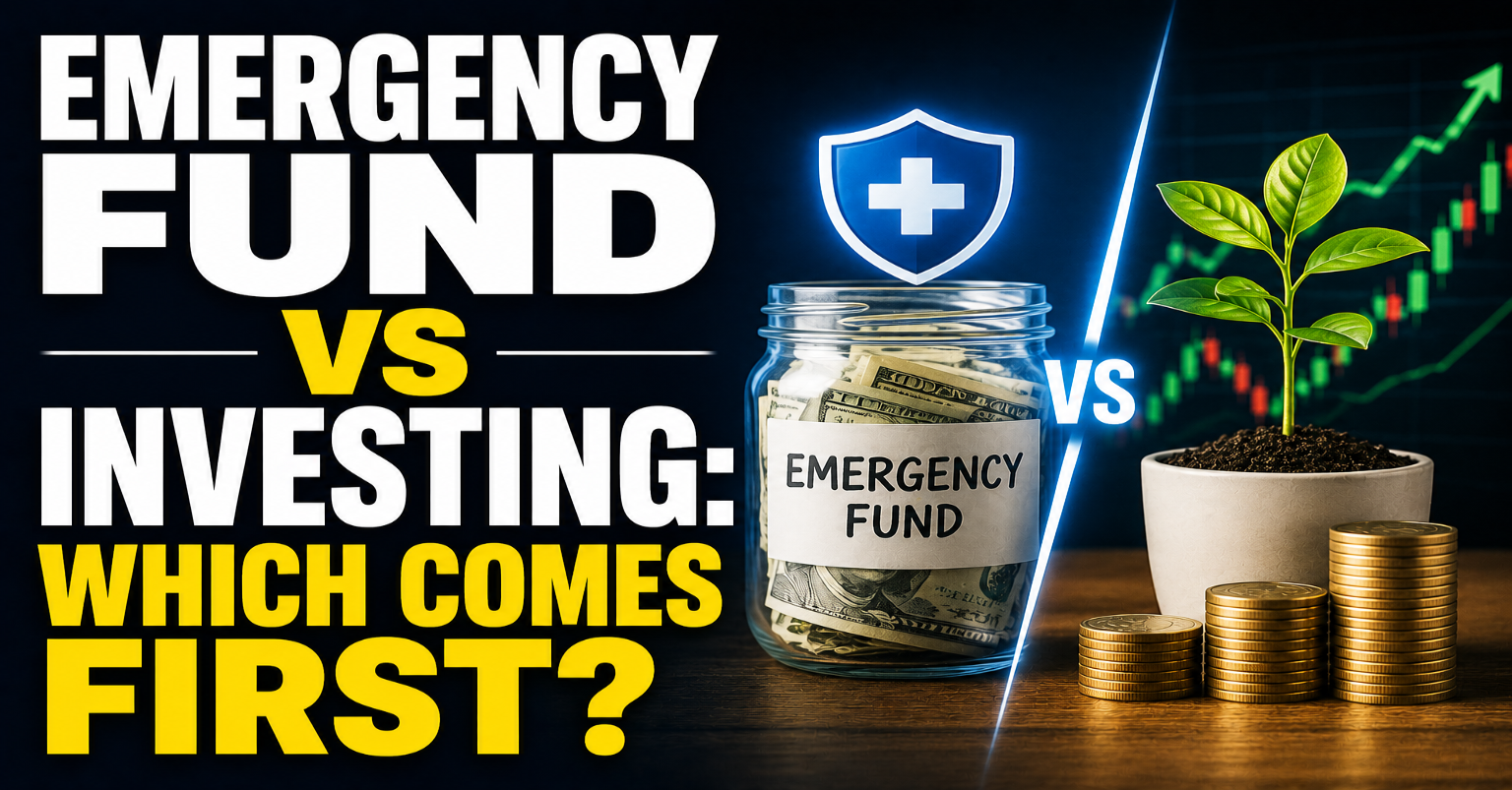
Introduction
One of the most common personal finance questions is whether you should build an emergency fund or start investing first.
Both are essential for a healthy financial future.
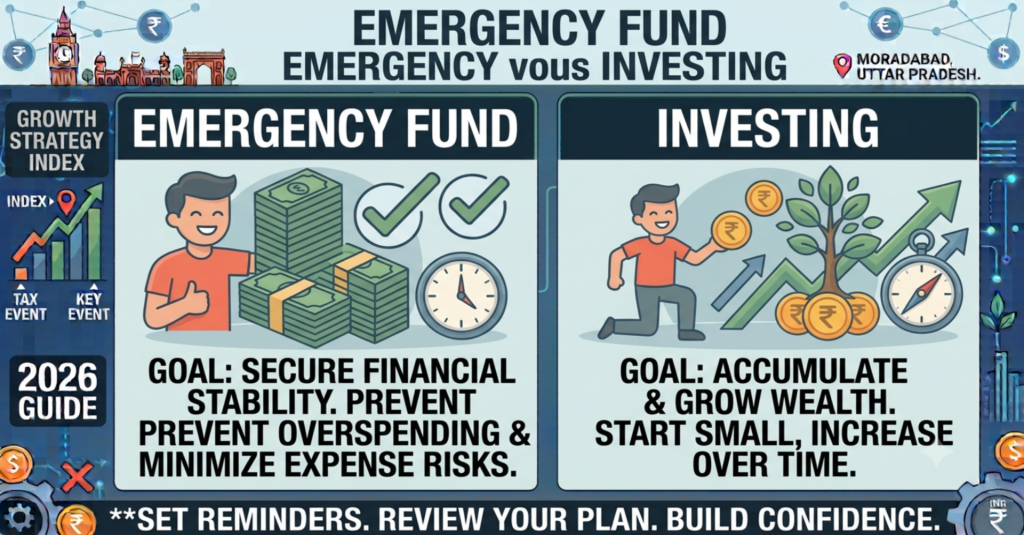
An emergency fund provides financial protection when unexpected expenses arise, while investing helps your money grow over the long term.
The challenge is deciding which should take priority when your resources are limited.
In this guide, you’ll learn the differences between emergency savings and investing, why both matter, and how to decide which should come first based on your financial situation.
Why This Decision Matters
Your financial strategy should balance security and growth.
An emergency fund helps protect you from unexpected financial setbacks.
Investing helps you work toward long-term goals such as retirement, financial independence, or building wealth.
Choosing the right order can reduce financial stress and improve long-term financial stability.
1. What Is an Emergency Fund?
An emergency fund is money set aside for unexpected expenses.
Common examples include:
- Medical bills.
- Car repairs.
- Home maintenance.
- Temporary job loss.
- Emergency travel.
The purpose is to cover these costs without relying on high-interest debt.
2. What Is Investing?
Investing involves putting money into assets with the goal of increasing its value over time.
Examples include:
- Stocks.
- Bonds.
- Mutual funds.
- Exchange-traded funds (ETFs).
- Index funds.
Unlike cash savings, investments may fluctuate in value and involve varying levels of risk.
3. Why an Emergency Fund Often Comes First
Without emergency savings, an unexpected expense could force you to:
- Use high-interest credit cards.
- Borrow money.
- Sell investments at an unfavorable time.
- Delay important financial goals.
Building a financial safety net first can help you avoid these situations.
Before increasing your investments, make sure your financial safety net is in place. Read our How to Build an Emergency Fund Faster guide for practical ways to grow your emergency savings efficiently.
4. Why Investing Is Still Important
Although emergency savings are essential, investing also plays a critical role in building long-term wealth.
Investing may help you:
- Prepare for retirement.
- Build financial independence.
- Grow your wealth over time.
- Keep pace with long-term inflation.
The earlier you begin investing, the more time your investments may have to grow.
5. You Don’t Always Have to Choose Only One
Many people believe the decision is all or nothing.
In reality, some individuals choose to:
- Build an initial emergency fund.
- Begin investing small amounts.
- Continue increasing savings over time.
The right balance depends on your income, expenses, financial goals, and personal comfort with risk.
6. Consider Your Financial Situation
Before deciding where to focus your money, ask yourself:
- Do I have stable income?
- Do I have high-interest debt?
- Could I handle an unexpected expense?
- What are my long-term financial goals?
Your answers can help determine which priority makes the most sense.
Security and Growth Can Work Together
Emergency savings and investing serve different purposes.
Rather than competing with each other, they often work best as complementary parts of a long-term financial plan.
7. When It Makes Sense to Prioritize Investing
There are situations where increasing your investments may become a higher priority.
For example:
- You already have a healthy emergency fund.
- You have stable income.
- You have little or no high-interest debt.
- Your long-term financial goals require sustained investing.
As your financial foundation becomes stronger, you may choose to direct more money toward long-term investments.
8. Review Your Strategy as Life Changes
Your financial priorities are not permanent.
Major life events such as a new job, marriage, buying a home, or starting a family may change how much you keep in savings versus investments.
Review your financial plan regularly by asking:
- Has my income changed?
- Have my monthly expenses increased?
- Is my emergency fund still appropriate?
- Am I investing consistently?
Regular reviews help keep your financial strategy aligned with your goals.
9. Build Healthy Financial Habits
Whether you’re saving or investing, consistent habits matter.
Focus on:
- Following a monthly budget.
- Saving regularly.
- Investing consistently.
- Avoiding unnecessary debt.
- Monitoring financial progress.
Small habits practiced over many years often have the greatest impact.
10. A Balanced Approach Is Often the Best Solution
For many people, the goal isn’t choosing between emergency savings and investing forever.
Instead, it’s creating a balanced financial plan that supports both short-term security and long-term growth.
Many successful financial plans include:
- Accessible emergency savings.
- Regular retirement contributions.
- Long-term investments.
- Ongoing financial reviews.
Balance helps reduce financial stress while supporting future wealth building.
Common Mistakes to Avoid
Many people slow their financial progress by making avoidable mistakes.
Watch out for these common habits:
- Investing without any emergency savings.
- Keeping all long-term money in cash.
- Ignoring high-interest debt.
- Trying to time the market.
- Saving without clear financial goals.
- Not reviewing your financial plan regularly.
Avoiding these mistakes can help create a stronger financial foundation.
The Consumer Financial Protection Bureau (CFPB) provides practical guidance on emergency funds, budgeting, saving money, and improving financial well-being. These educational resources can help you create a financial safety net while planning for long-term financial goals.
Frequently Asked Questions
Should I invest before building an emergency fund?
Many people choose to establish at least some emergency savings before investing, helping them cover unexpected expenses without relying on debt or selling investments.
The right approach depends on your personal financial situation.
How much should I keep in an emergency fund?
The amount varies based on factors such as your monthly expenses, income stability, and personal circumstances.
Choose an amount that provides a level of financial security appropriate for your needs.
Can I save and invest at the same time?
Yes.
Many people contribute to both an emergency fund and long-term investments at the same time, especially after building an initial financial safety net.
Why is investing important if I already have savings?
Savings help protect you from short-term financial emergencies.
Investing focuses on long-term growth and can help you work toward goals such as retirement and financial independence.
Final Thoughts
Emergency funds and investing are both essential parts of a healthy financial plan.
Emergency savings provide protection when life is unpredictable.
Investing helps build wealth for the future.
Rather than viewing them as competing priorities, think of them as two financial tools that work together.
By building a solid emergency fund, investing consistently, and reviewing your financial goals regularly, you can create a balanced strategy that supports both financial security and long-term success.