 MOHAMMAD ABUBAKR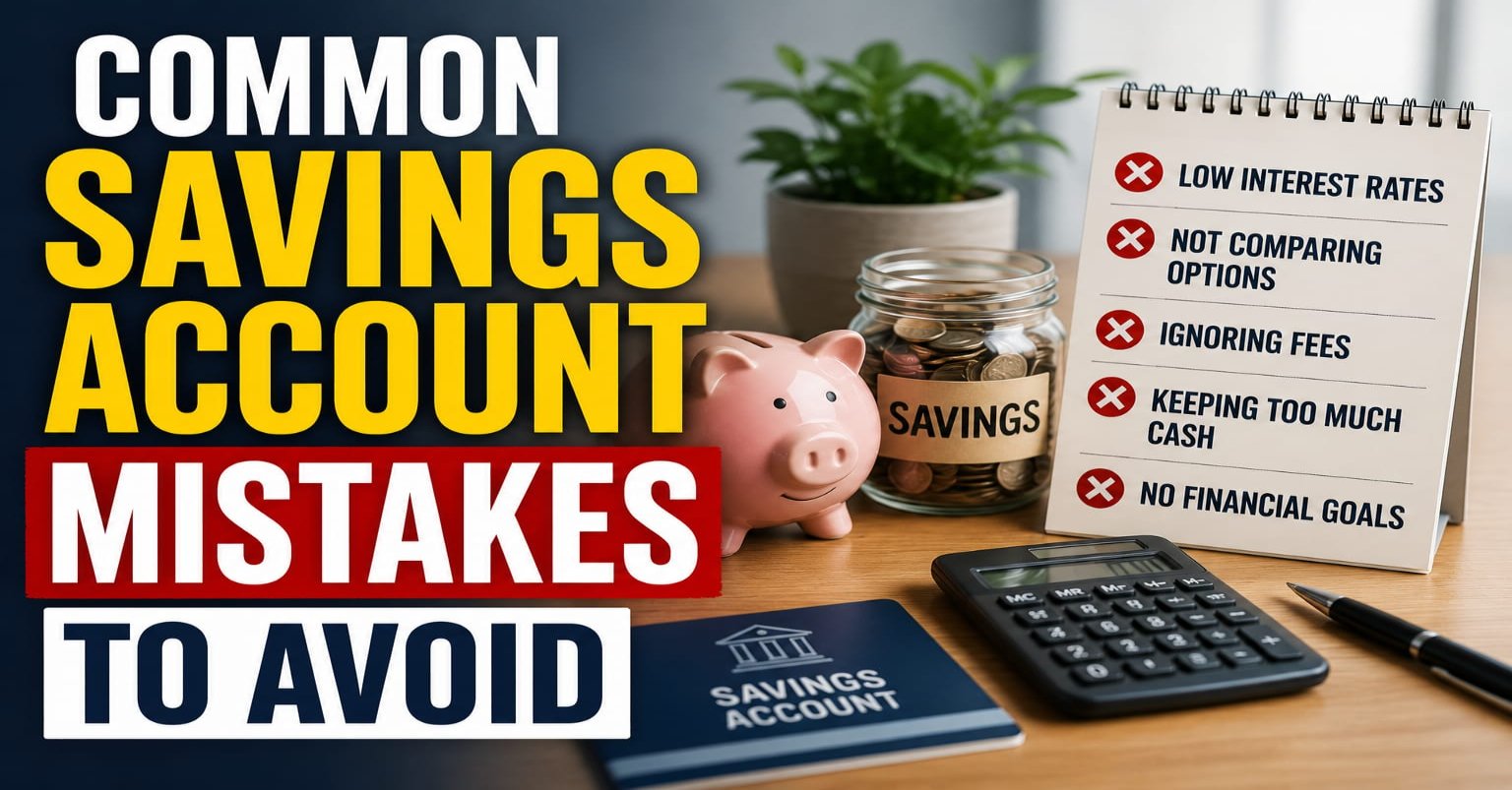
Introduction
A savings account is one of the simplest tools for building financial security.
It can help you prepare for unexpected expenses, save for future goals, and reduce the need to rely on debt.
However, simply opening a savings account isn’t enough.
Many people unknowingly make mistakes that slow their financial progress or make it harder to reach their savings goals.
Fortunately, these mistakes are often easy to fix.
In this guide, you’ll learn the most common savings account mistakes and practical ways to make your savings work harder for you.
Why a Savings Account Matters
A savings account provides a safe place to set aside money for future needs.
It can help you:
- Build an emergency fund.
- Save for major purchases.
- Reduce financial stress.
- Prepare for unexpected expenses.
- Improve long-term financial stability.
Developing healthy saving habits is just as important as choosing the right account.
1. Not Saving Consistently
Many people save only when they have extra money left at the end of the month.
Unfortunately, that often leads to inconsistent progress.
Instead, consider making savings a regular part of your monthly budget by contributing on a consistent schedule.
Consistent saving is one of the fastest ways to strengthen your financial safety net. Read our How to Build an Emergency Fund Faster guide for practical strategies to grow your savings more efficiently.
2. Mixing Emergency Savings With Everyday Spending
Keeping emergency savings in the same account used for daily purchases can make it easier to spend the money unintentionally.
Using a separate savings account for emergencies may help protect those funds until they’re truly needed.
3. Ignoring Account Fees
Some savings accounts may charge maintenance fees or other service charges.
Review your account regularly to understand:
- Monthly fees.
- Minimum balance requirements.
- Transaction limits.
- Other account terms.
Reducing unnecessary fees allows more of your money to remain in your savings.
4. Not Reviewing Interest Rates
Savings account interest rates can change over time.
Reviewing your account periodically helps you understand whether your savings strategy still meets your financial goals.
Choosing an account should involve considering factors beyond interest rates alone, including accessibility, fees, and overall features.
5. Using Savings for Non-Essential Purchases
Savings accounts are most effective when they’re used intentionally.
Repeatedly withdrawing money for impulse purchases or non-essential spending can delay important financial goals.
Before making a withdrawal, ask whether the purchase truly supports your priorities.
6. Forgetting to Increase Savings Over Time
As your income grows, your savings contributions can grow too.
Consider increasing your savings after:
- Receiving a raise.
- Paying off debt.
- Reducing monthly expenses.
- Receiving a bonus.
Small increases made consistently can have a meaningful long-term impact.
Better Saving Habits Build Stronger Financial Security
Growing your savings isn’t about making one perfect financial decision.
It’s about building consistent habits that support your long-term financial goals.
7. Not Setting Clear Savings Goals
Saving money becomes easier when you know what you’re working toward.
Common savings goals include:
- Building an emergency fund.
- Buying a home.
- Paying for education.
- Taking a vacation.
- Covering future major expenses.
Specific goals help you stay motivated and make consistent progress.
8. Keeping Too Much Cash in One Account
While having accessible savings is important, keeping all of your available cash in one general savings account may not fit every financial goal.
Many people separate their money into different categories, such as:
- Emergency savings.
- Short-term savings.
- Long-term savings.
- Household expenses.
- Vacation or holiday funds.
Organizing your savings can make it easier to track progress and avoid spending money meant for other purposes.
9. Never Reviewing Your Savings Plan
Your financial situation changes over time.
Review your savings strategy regularly if you experience:
- A salary increase.
- Higher living expenses.
- Marriage.
- A new child.
- A home purchase.
Updating your savings goals helps ensure they continue to match your current needs.
10. Relying Only on Savings
A savings account is an important part of a healthy financial plan, but it isn’t the only one.
Many people also focus on:
- Paying down high-interest debt.
- Investing for long-term goals.
- Saving for retirement.
- Following a monthly budget.
Balancing these priorities can strengthen your overall financial future.
Common Savings Mistakes to Avoid
Many people unintentionally slow their financial progress by repeating a few avoidable habits.
Try to avoid:
- Skipping monthly savings contributions.
- Spending emergency savings on non-essential purchases.
- Ignoring account fees.
- Never reviewing your savings goals.
- Keeping no emergency fund.
- Saving without a budget.
Improving even one of these habits can strengthen your financial foundation.
The Consumer Financial Protection Bureau (CFPB) offers free educational resources on saving money, budgeting, emergency funds, and managing personal finances. These tools can help you build stronger saving habits and make informed financial decisions.
Frequently Asked Questions
How much money should I keep in a savings account?
The right amount depends on your income, monthly expenses, financial goals, and emergency savings needs.
Many people build their savings gradually over time rather than trying to reach one target immediately.
Should I use one savings account for everything?
Many people prefer separate savings accounts or categories for different financial goals, such as emergency expenses, vacations, or home purchases.
This approach can make it easier to stay organized.
How often should I add money to my savings account?
Saving consistently—such as every payday or every month—is often more effective than making occasional large deposits.
Why is a savings account important?
A savings account provides financial flexibility by helping you prepare for unexpected expenses, major purchases, and future financial goals while reducing dependence on debt.
Final Thoughts
A savings account is one of the simplest and most effective tools for improving your financial security.
However, avoiding common mistakes is just as important as building your savings.
By saving consistently, setting clear goals, reviewing your progress, and using your savings intentionally, you can create a stronger financial foundation for both expected and unexpected expenses.
Small improvements today can make a meaningful difference in your long-term financial future.