 MOHAMMAD ABUBAKR
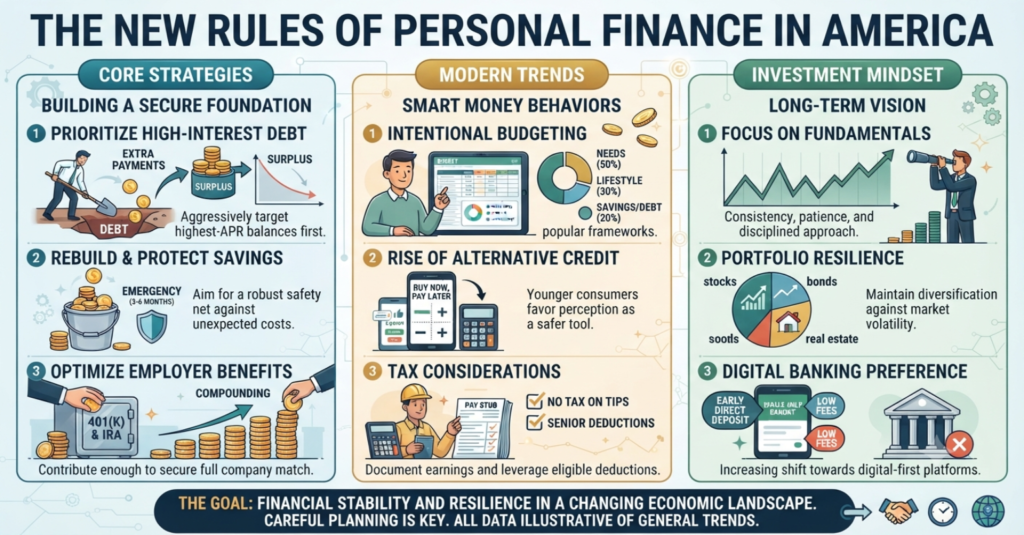
Personal finance has changed dramatically over the past several years. Rising living costs, higher interest rates, evolving job markets, and rapid technological advances have reshaped how Americans earn, spend, save, and invest their money. Consequently, many traditional financial strategies are being replaced by more flexible and practical approaches.
Fortunately, adapting to these changes doesn’t require a complete financial overhaul. Instead, it involves developing smarter money habits that reflect today’s economic realities. Moreover, households that regularly review their financial plans are often better prepared to navigate uncertainty while continuing to work toward their long-term goals.
Today’s financial success isn’t measured only by income. Rather, it’s increasingly determined by how effectively people manage cash flow, control debt, build savings, invest consistently, and prepare for unexpected expenses. Therefore, understanding these new personal finance rules can help you make more informed financial decisions.
Whether you’re just beginning your financial journey or refining an existing plan, these updated principles can help strengthen your financial future.
The Financial Wake-Up Call Millions Are Experiencing
1. Emergency Savings Come Before Major Purchases
Many Americans once prioritized large purchases before building savings.
Today, financial experts increasingly recommend establishing an emergency fund first.
Emergency savings can help cover:
- Medical expenses
- Vehicle repairs
- Home maintenance
- Temporary job loss
- Unexpected travel
Consequently, households become less dependent on high-interest debt during financial emergencies.
2. Budgeting Has Become a Monthly Habit
Instead of creating a budget once and forgetting about it, many households now review their finances every month.
Regular budgeting helps you monitor:
- Housing costs
- Grocery spending
- Transportation expenses
- Utility bills
- Debt payments
- Savings contributions
As a result, you can adjust your spending before small issues become larger financial problems.
3. Managing Debt Is More Important Than Ever
Higher borrowing costs have made responsible debt management a financial priority.
Rather than carrying balances indefinitely, many people now focus on:
- Paying more than the minimum
- Reducing high-interest debt
- Avoiding unnecessary borrowing
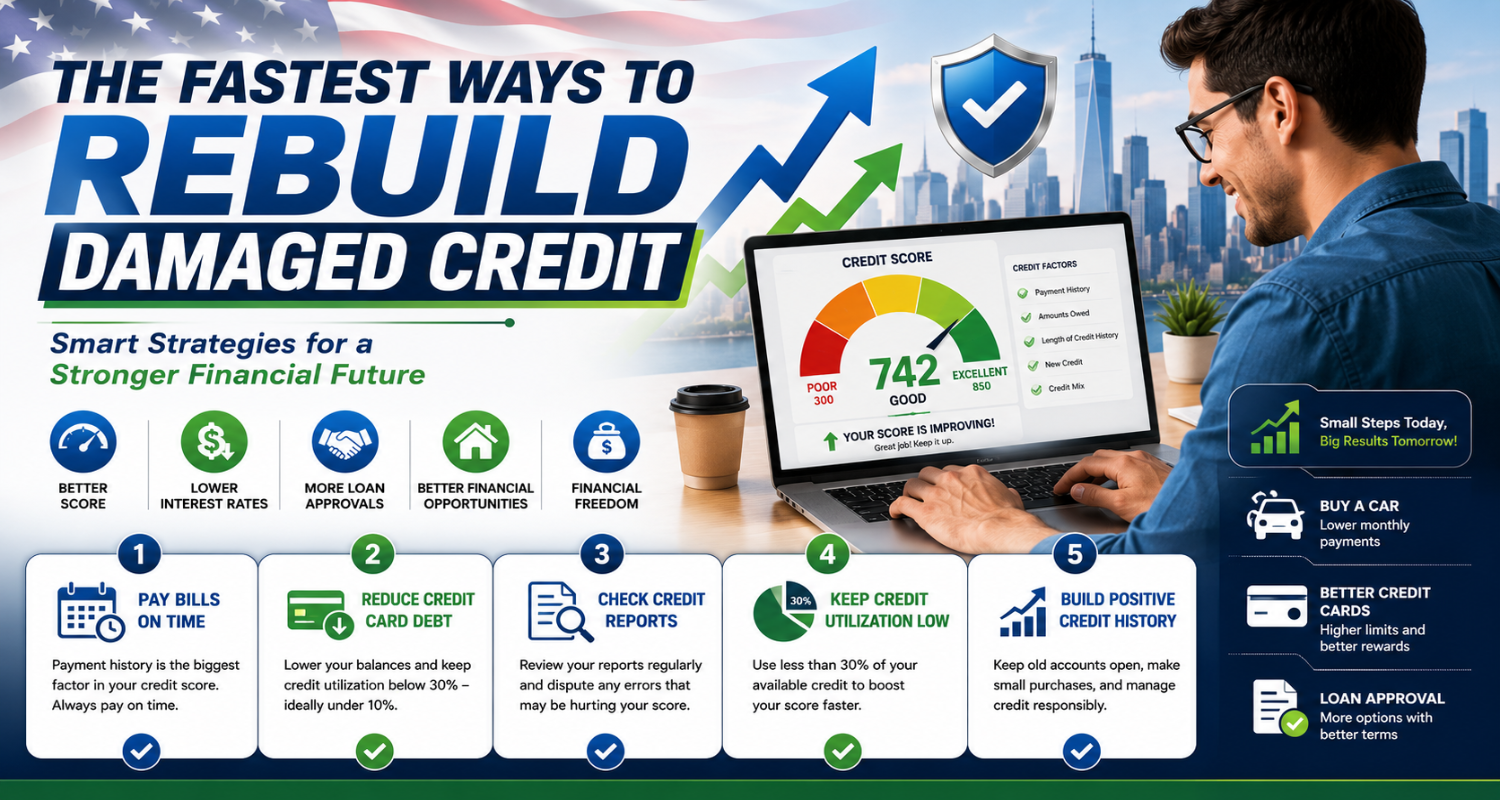
- Improving credit habits
Furthermore, lowering debt creates more opportunities to save and invest.
4. Financial Flexibility Is a New Form of Security
Many households now value flexibility as much as income.
Building financial flexibility may include:
- Maintaining emergency savings
- Keeping monthly expenses manageable
- Avoiding excessive debt
- Having multiple income sources
Therefore, financial resilience has become an important part of long-term planning.
5. Investing Is Becoming More Consistent
Instead of trying to predict short-term market movements, many investors are focusing on consistency.
Common long-term investing habits include:
- Investing regularly
- Diversifying portfolios
- Reinvesting earnings
- Reviewing investments annually
Consequently, disciplined investing often replaces emotional decision-making.
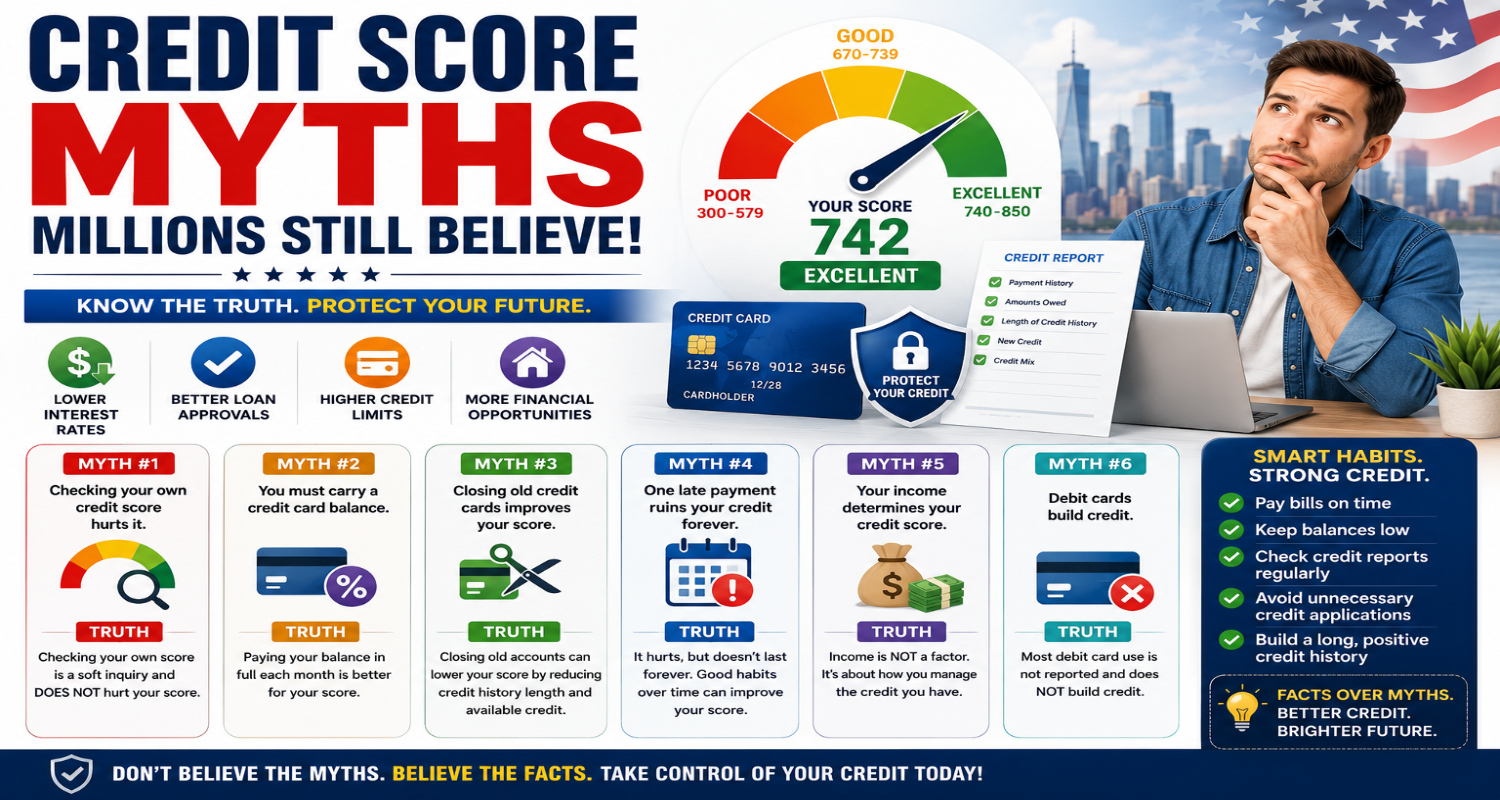
6. Credit Health Matters Beyond Borrowing
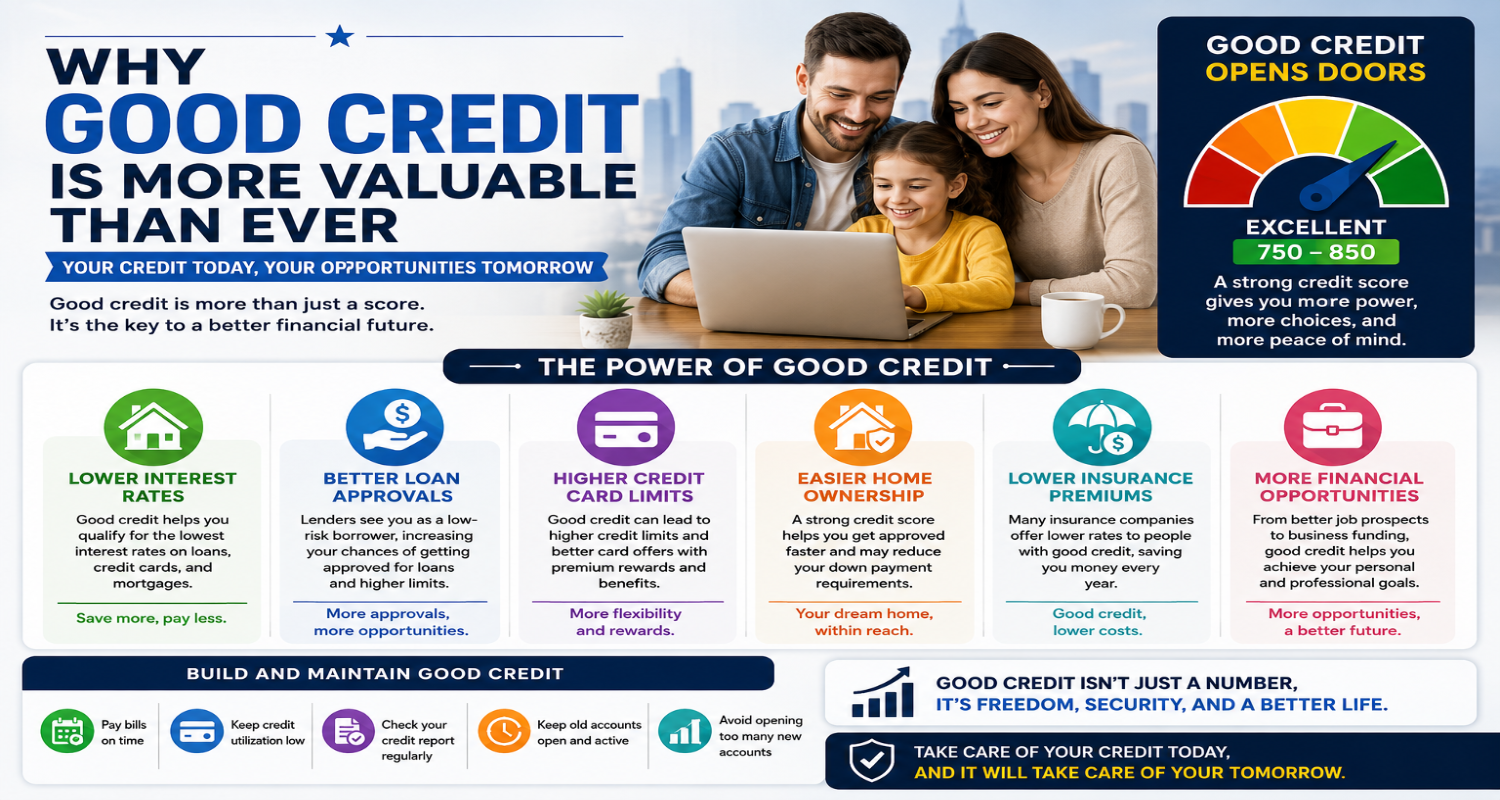
Strong credit affects more than loan approvals.
Healthy credit habits may also influence:
- Mortgage options
- Auto loan rates
- Insurance costs in some states
- Financial flexibility
Therefore, paying bills on time and managing credit responsibly remain essential financial habits.
7. Spending Is Becoming More Intentional
Many Americans are questioning unnecessary purchases before spending.
Instead of buying impulsively, they’re asking whether purchases support their long-term financial goals.
As a result, intentional spending is helping many households improve savings without dramatically changing their lifestyles.
8. Financial Education Never Stops
The financial world continues to evolve.
Therefore, ongoing learning has become one of the most valuable personal finance habits.
Topics worth understanding include:
- Budgeting
- Investing
- Retirement planning
- Taxes
- Insurance
- Credit management
Moreover, improving your financial knowledge helps you adapt as economic conditions change.
9. Multiple Income Streams Can Increase Financial Stability
Many Americans are looking beyond a single paycheck.
Although one steady job may provide financial security, additional income sources can improve flexibility during economic uncertainty.
Examples include:
- Freelance work
- Consulting
- Part-time jobs
- Online businesses
- Rental income
- Dividend-paying investments
Consequently, multiple income streams can help households strengthen savings and reduce financial pressure.
10. Retirement Planning Should Start Earlier
Waiting to save for retirement often means missing valuable years of potential investment growth.
Therefore, many financial professionals recommend starting retirement contributions as early as possible.
Even modest contributions made consistently can help support long-term financial goals.
Moreover, increasing retirement savings after raises or bonuses may accelerate your progress.
11. Reviewing Financial Goals Is an Ongoing Process
Financial goals naturally change throughout life.
Career changes, marriage, children, homeownership, and retirement all influence your financial priorities.
Therefore, reviewing your goals at least once a year helps ensure your budget, savings, and investments continue supporting your future plans.
Additionally, regular reviews make it easier to adjust your strategy as your circumstances evolve.
12. Small Financial Habits Create Lasting Results
Financial success rarely comes from one major decision.
Instead, it’s usually built through consistent daily habits.
Examples include:
- Saving automatically
- Paying bills on time
- Tracking spending
- Investing regularly
- Avoiding unnecessary debt
Over time, these simple habits can produce meaningful improvements in your overall financial health.
Common Personal Finance Mistakes to Avoid
Adapting to today’s economy also means avoiding habits that can slow your financial progress.
Living Without a Budget
Without a budget, it’s difficult to understand where your money is going.
Review your income and expenses regularly to stay in control of your finances.
Carrying High-Interest Debt
Expensive debt can make it harder to save and invest.
Whenever possible, prioritize paying down high-interest balances while avoiding unnecessary borrowing.
Delaying Emergency Savings
Unexpected expenses are a normal part of life.
Building an emergency fund before a financial crisis occurs can help reduce stress and prevent additional debt.
Ignoring Long-Term Financial Planning
Focusing only on today’s expenses can make future goals harder to achieve.
Balance your short-term needs with long-term priorities such as retirement, investing, and major purchases.
Smart Money Habits for Today’s Economy
Although every household has unique financial goals, these habits can help strengthen your financial future:
- Create and follow a realistic monthly budget.
- Build and maintain an emergency fund.
- Reduce high-interest debt.
- Save automatically from every paycheck.
- Invest consistently for long-term goals.
- Monitor your credit regularly.
- Increase savings as your income grows.
- Continue improving your financial knowledge.
- Review your financial plan every year.
- Spend intentionally instead of impulsively.
While no financial strategy guarantees success, these habits can improve your financial stability and prepare you for changing economic conditions.
Frequently Asked Questions
What are the new rules of personal finance?
Today’s personal finance focuses on financial flexibility, emergency savings, responsible debt management, consistent investing, intentional spending, and long-term planning rather than simply earning more income.
Why is emergency savings more important today?
Higher living costs and economic uncertainty make emergency savings an essential financial safety net that can help cover unexpected expenses without relying on high-interest debt.
How often should I review my budget?
Review your budget every month and adjust it whenever your income, expenses, or financial goals change.
Why are people focusing more on financial flexibility?
Financial flexibility allows households to better manage unexpected expenses, changing job markets, and economic uncertainty while continuing to work toward long-term goals.
Can small financial habits really improve my future?
Absolutely. Consistently saving, budgeting, reducing debt, and investing over time can produce significant long-term financial benefits.
Final Thoughts
The rules of personal finance in America continue to evolve as households adapt to changing economic conditions. While rising living costs, higher interest rates, and financial uncertainty have created new challenges, they have also encouraged many people to build stronger money habits. Consequently, budgeting carefully, reducing debt, increasing savings, and investing consistently have become more important than ever.
Moreover, successful financial planning isn’t about finding a perfect strategy. Instead, it’s about creating habits that are practical, sustainable, and aligned with your long-term goals. Small improvements—such as reviewing your budget monthly, building emergency savings, and making intentional spending decisions—can strengthen your financial foundation year after year.
Above all, remember that financial success is built through consistent action rather than quick fixes. By adapting to today’s economic realities while staying focused on your long-term objectives, you can create greater financial confidence, resilience, and opportunities for the future.
Consumer Financial Protection Bureau – Managing Your Money