 MOHAMMAD ABUBAKR
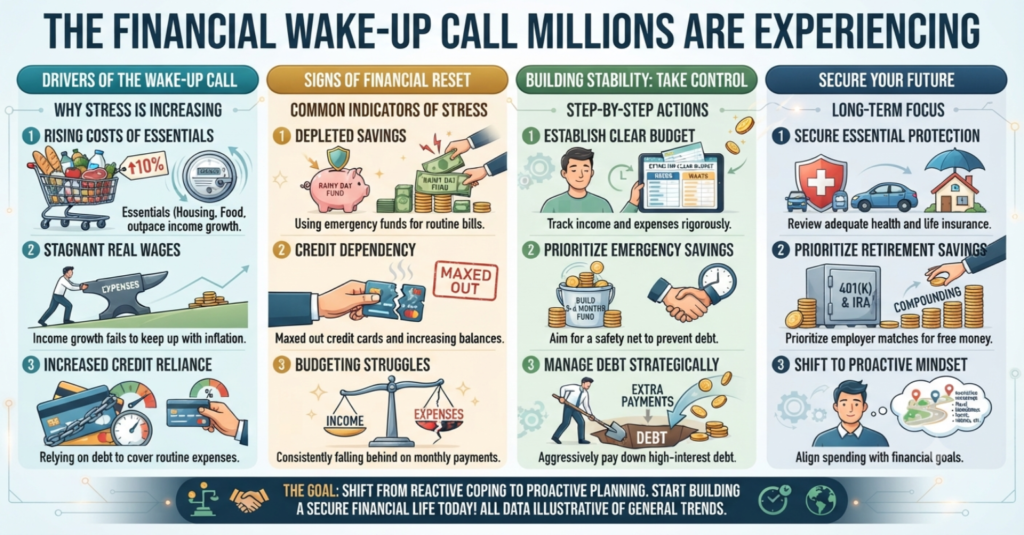
Across the United States, many households are taking a closer look at their finances. Rising living costs, changing economic conditions, higher borrowing expenses, and growing uncertainty have encouraged millions of Americans to rethink how they earn, spend, save, and invest. Consequently, financial priorities are shifting in ways that may shape personal finances for years to come.
Fortunately, this financial wake-up call isn’t entirely negative. For many people, it has become an opportunity to build healthier money habits, strengthen emergency savings, reduce debt, and prepare more carefully for the future. Moreover, small financial improvements made today can create meaningful long-term benefits.
Instead of chasing quick financial wins, many Americans are focusing on stability, flexibility, and long-term planning. Therefore, understanding these changing financial behaviors can help you make smarter decisions regardless of your current income or stage of life.
Whether you’re trying to improve your budget, build wealth, or simply feel more financially secure, these lessons reflect the changing financial mindset of households across the country.
Why Americans Are Thinking Differently About Money
1. Emergency Savings Have Become a Higher Priority
Unexpected expenses have reminded many households why emergency savings matter.
Instead of relying on credit cards during financial surprises, more people are working toward building dedicated emergency funds.
Common reasons include:
- Medical expenses
- Vehicle repairs
- Home maintenance
- Temporary income loss
Consequently, financial resilience has become just as important as financial growth.
2. Budgets Are Receiving More Attention
Many Americans are reviewing their monthly budgets more frequently than before.
Instead of guessing where money goes, they’re tracking:
- Housing costs
- Groceries
- Transportation
- Utilities
- Entertainment
- Savings
As a result, households often identify opportunities to reduce unnecessary spending without making major lifestyle changes.
3. Debt Reduction Has Become a Major Goal
Higher borrowing costs have encouraged many people to focus on paying down debt.
Rather than carrying expensive balances indefinitely, households are prioritizing:
- Credit card repayment
- Personal loan reduction
- Auto loan management
- Responsible borrowing
Furthermore, reducing debt creates more room for saving and investing.
4. Long-Term Financial Planning Is Becoming More Common
Many families are looking beyond next month’s bills.
Instead, they’re setting goals for:
- Retirement
- Homeownership
- Education savings
- Financial independence
Therefore, long-term planning is becoming a larger part of everyday financial decision-making.
5. Spending Decisions Are Becoming More Intentional
Impulse purchases are receiving greater scrutiny.
Before making purchases, many consumers now ask whether an expense supports their financial goals.
Consequently, thoughtful spending is replacing automatic spending in many households.
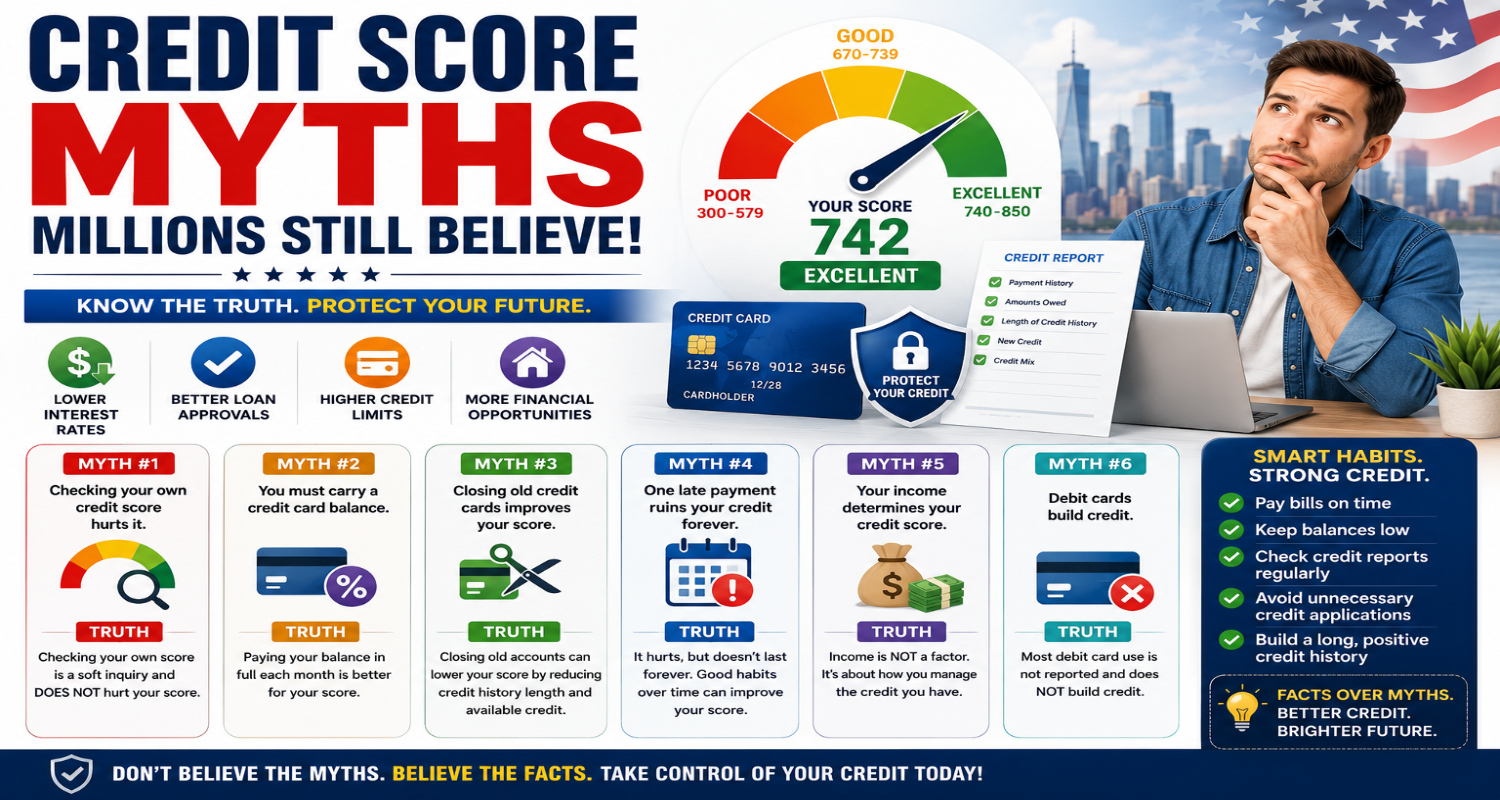
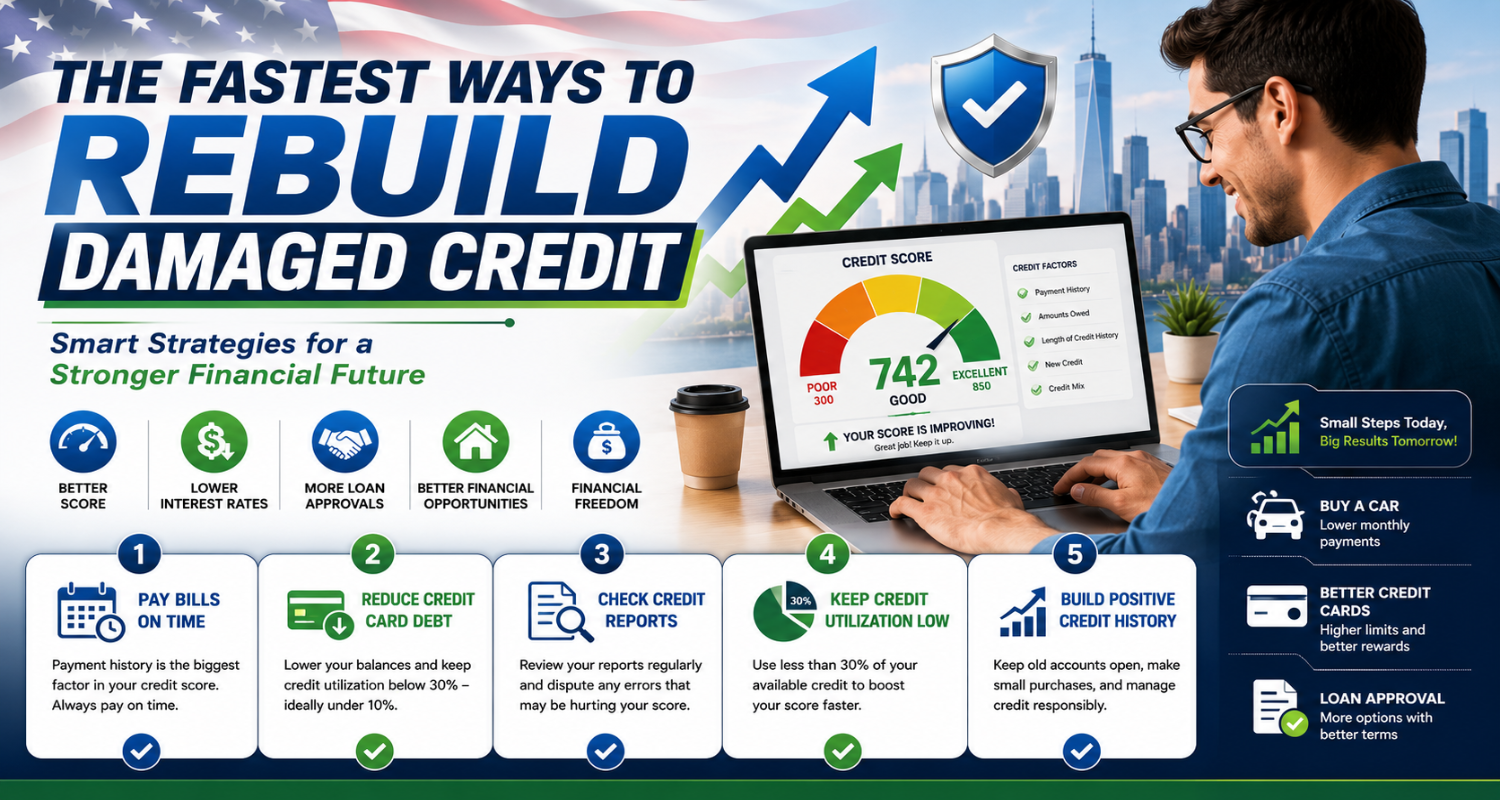
6. People Are Paying More Attention to Their Credit
Healthy credit has become increasingly valuable.
Many households are focusing on:
- Paying bills on time
- Lowering credit card balances
- Monitoring credit reports
- Avoiding unnecessary borrowing
Moreover, stronger credit may improve access to better borrowing opportunities in the future.
7. Investing Is Being Viewed as a Long-Term Strategy
Rather than reacting to every market headline, many investors are taking a longer-term perspective.
Instead of trying to predict short-term market movements, they are focusing on:
- Consistent investing
- Diversification
- Retirement planning
- Long-term wealth building
Consequently, patience continues to be one of the most valuable investing habits.
8. Financial Education Is Becoming a Priority
Many Americans recognize that financial knowledge supports better decision-making.
As a result, more people are learning about:
- Budgeting
- Saving
- Investing
- Taxes
- Retirement planning
Furthermore, ongoing education helps households adapt as financial conditions continue to change.
9. Multiple Income Streams Are Gaining Attention
Many households have realized the importance of not relying on a single source of income.
As a result, more Americans are exploring opportunities such as:
- Freelancing
- Consulting
- Part-time work
- Online businesses
- Dividend-paying investments
- Rental income
Although not every option is suitable for everyone, additional income can improve financial flexibility and strengthen long-term security.
10. Retirement Planning Is Starting Earlier
Many workers are recognizing that waiting to save for retirement can make long-term goals more difficult to achieve.
Therefore, more people are beginning to:
- Increase retirement contributions
- Review employer-sponsored retirement plans
- Set long-term savings targets
- Learn about investment options
Consequently, starting earlier gives savings more time to potentially benefit from long-term growth.
11. Financial Flexibility Is Becoming More Valuable
Rather than focusing only on increasing income, many households are working to improve their financial flexibility.
This often includes:
- Reducing monthly expenses
- Building cash reserves
- Avoiding unnecessary debt
- Maintaining emergency savings
As a result, families are better prepared to manage unexpected financial challenges.
12. Small Financial Improvements Create Big Results
Many people once believed they needed dramatic changes to improve their finances.
However, consistent habits often produce the greatest long-term results.
Examples include:
- Saving automatically
- Reviewing monthly spending
- Paying bills on time
- Investing regularly
- Increasing savings after raises
Over time, these small improvements can significantly strengthen financial stability.
Common Financial Mistakes to Avoid
Periods of financial change also create opportunities to avoid costly mistakes.
Ignoring a Monthly Budget
Without a budget, it’s difficult to understand where money is going.
Review your spending regularly and adjust your budget as your financial situation changes.
Carrying High-Interest Debt
High-interest balances can slow financial progress.
Whenever possible, prioritize reducing expensive debt while avoiding unnecessary borrowing.
Delaying Emergency Savings
Unexpected expenses can happen at any time.
Building even a modest emergency fund helps reduce financial stress and reliance on credit.
Reacting Emotionally to Financial News
Economic headlines change frequently.
Instead of making impulsive decisions, focus on your long-term financial plan and personal goals.
Smart Money Habits for Long-Term Success
Although every household faces different financial challenges, these habits can support lasting financial stability:
- Create and follow a monthly budget.
- Build an emergency fund.
- Reduce high-interest debt.
- Save automatically.
- Invest consistently for long-term goals.
- Monitor your credit regularly.
- Increase savings as your income grows.
- Continue improving your financial knowledge.
- Review your financial plan every year.
- Focus on long-term financial goals rather than short-term market changes.
While no financial plan can eliminate uncertainty, these habits can improve your confidence and resilience over time.
Frequently Asked Questions
Why are so many Americans changing their financial habits?
Higher living costs, changing economic conditions, increased borrowing expenses, and long-term financial uncertainty have encouraged many households to take a more proactive approach to managing their money.
What’s the most important financial lesson people are learning?
One of the biggest lessons is the importance of preparation. Emergency savings, budgeting, responsible borrowing, and long-term planning all help create greater financial stability.
How can I improve my financial situation without earning more money?
Creating a realistic budget, reducing unnecessary expenses, paying down high-interest debt, and saving consistently can strengthen your finances even if your income remains the same.
Why is financial flexibility important?
Financial flexibility makes it easier to handle unexpected expenses, changing economic conditions, and future opportunities without relying heavily on debt.
How often should I review my financial plan?
Review your budget monthly and your overall financial plan at least once a year. You should also update it after major life events such as changing jobs, buying a home, or starting a family.
Final Thoughts
The financial wake-up call that millions of Americans are experiencing is changing the way people think about money. Instead of focusing only on short-term spending, many households are placing greater importance on budgeting, saving, reducing debt, investing consistently, and preparing for future uncertainty. Consequently, these shifts are creating stronger financial foundations for the years ahead.
Moreover, improving your financial future doesn’t require perfect decisions or dramatic lifestyle changes. Small, consistent habits—such as tracking expenses, building emergency savings, strengthening your credit, and reviewing your financial plan regularly—can produce meaningful results over time.
Above all, remember that financial success is built through preparation rather than prediction. By making thoughtful decisions today and remaining committed to your long-term goals, you can navigate changing economic conditions with greater confidence while building lasting financial security.
Consumer Financial Protection Bureau – Managing Your Money