 MOHAMMAD ABUBAKR
Many investors ask the same question: How long should you hold an investment?
The answer is not always simple. It depends on your financial goals, risk tolerance, and the type of investment you own. However, one fact remains true. Successful investing is usually a long-term journey rather than a quick race.
Many beginners believe they should buy low and sell high within weeks or months. In reality, frequent trading often leads to higher costs, emotional decisions, and lower returns. Long-term investors have historically been rewarded with steady wealth growth.
In this guide, you’ll learn how long you should hold different investments, why patience matters, and how to avoid costly mistakes.
Why Holding Period Matters
Your holding period is the length of time you keep an investment before selling it.
This decision affects:
- Investment returns
- Taxes
- Risk level
- Portfolio growth
- Financial goals
A short holding period may increase trading costs and emotional decisions. On the other hand, a longer holding period gives your investments more time to recover from market declines and benefit from compound growth.
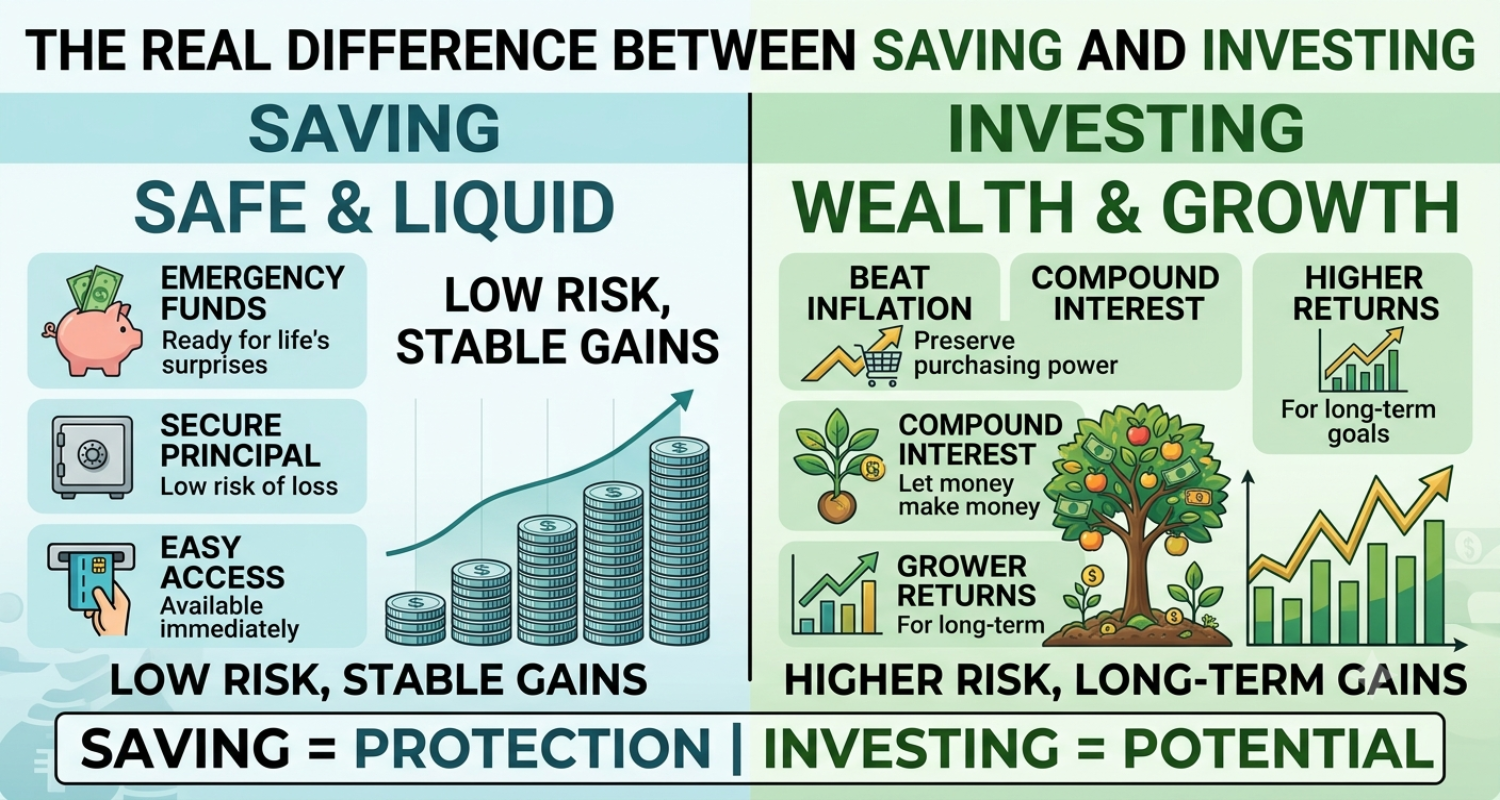
The Real Difference Between Saving and Investing
The Power of Long-Term Investing
Markets naturally rise and fall.
Daily headlines often create fear. However, history shows that markets have recovered from many downturns over time.
Investors who stay invested usually have a better chance of earning positive long-term returns than those who constantly move in and out of the market.
Patience allows compound growth to work in your favor.
How Long Should You Hold Different Investments?
Different investments have different time horizons.
Stocks
Individual stocks are generally best held for at least five years.
Quality companies often experience short-term price swings. Yet strong businesses can continue growing for decades.
If you invest in companies with solid earnings and competitive advantages, holding them longer may produce better results.
Exchange-Traded Funds (ETFs)
ETFs are designed for long-term investing.
Many financial professionals recommend holding diversified ETFs for 10 years or longer.
Because ETFs contain many companies, they often reduce the risk associated with owning a single stock.
Mutual Funds
Mutual funds also perform best over longer periods.
A holding period of five to ten years allows investors to benefit from market growth while reducing the impact of short-term volatility.
Bonds
Bonds are generally held until maturity.
Many investors keep bonds for two to ten years, depending on their financial goals and the bond type.
They provide income and help balance a diversified portfolio.
Real Estate
Real estate investments often require patience.
Property values may fluctuate in the short term. However, many investors hold real estate for seven to ten years or longer.
Long holding periods allow appreciation and rental income to offset market fluctuations.
Factors That Determine Your Holding Period
There is no universal answer.
Consider these factors before selling an investment.
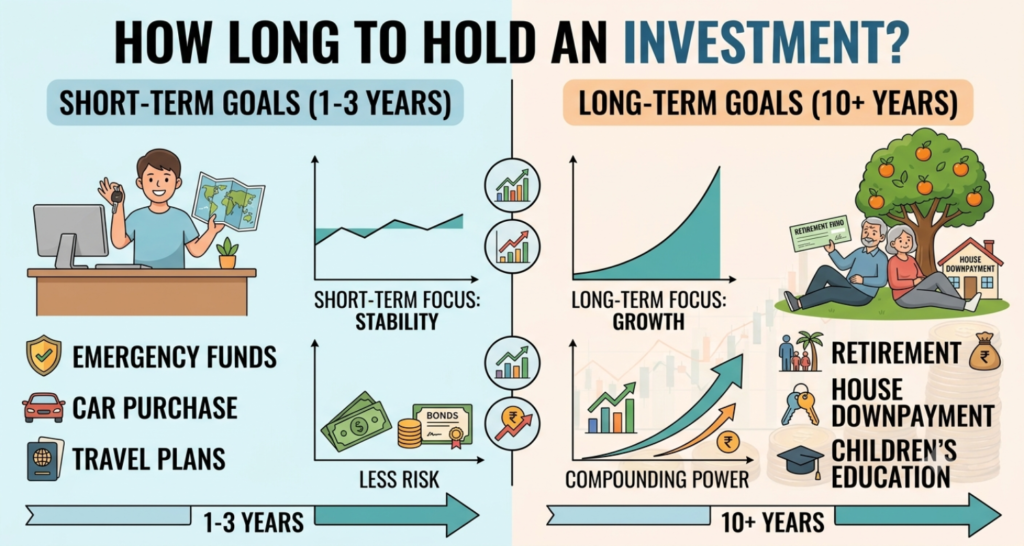
1. Your Financial Goals
Saving for retirement differs from saving for a vacation.
Short-term goals usually require safer investments.
Long-term goals allow more time for market recovery.
2. Risk Tolerance
Some investors remain calm during market declines.
Others become uncomfortable after small losses.
Understanding your comfort level helps determine the right investment strategy.
3. Investment Performance
Avoid selling simply because prices fall temporarily.
Instead, ask whether the original reason for buying still exists.
If the company’s fundamentals remain strong, patience may be the better choice.
4. Market Conditions
Market corrections happen regularly.
Selling during temporary declines often locks in losses.
Instead, focus on long-term trends rather than daily news.
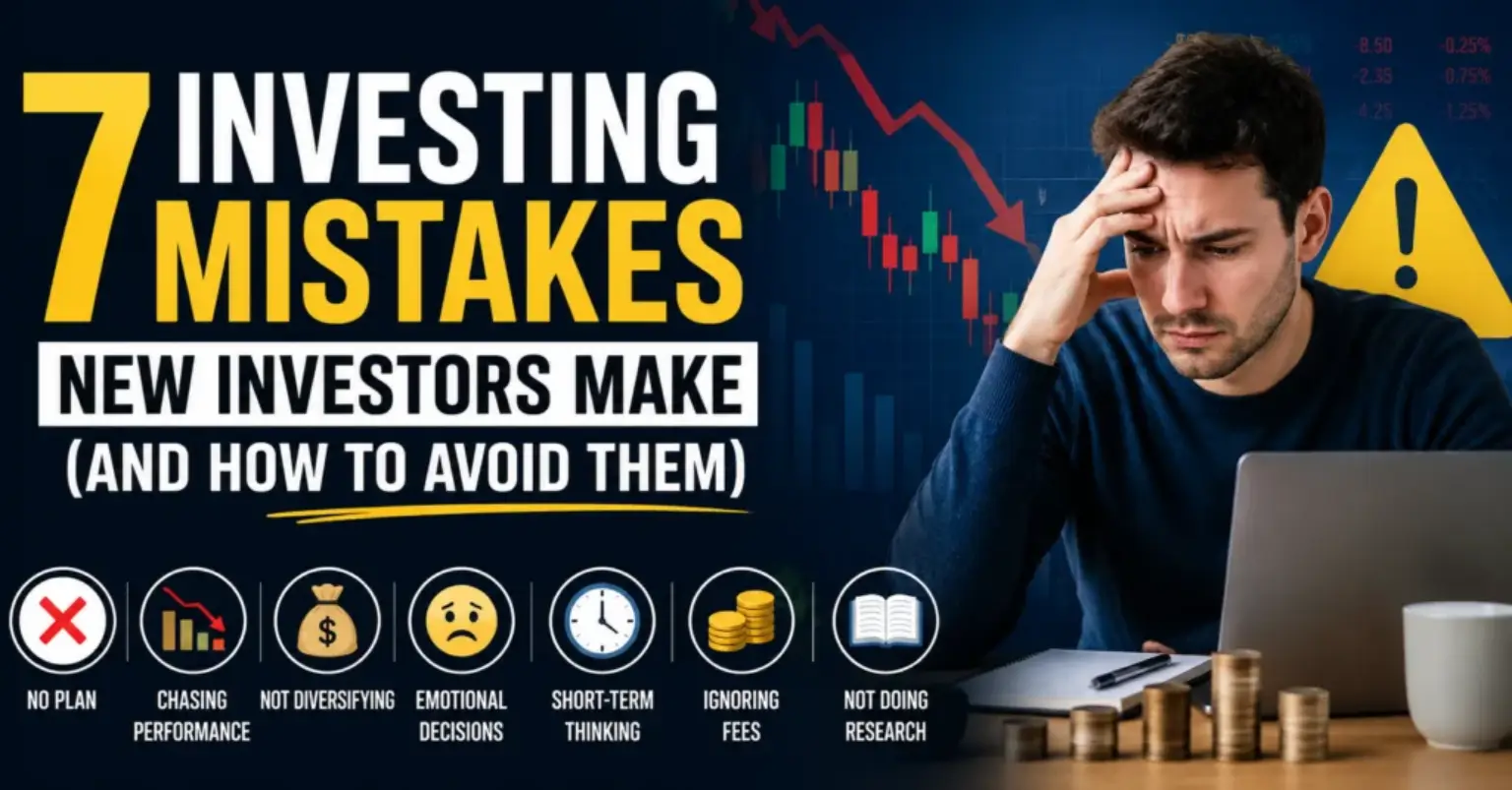
Common Mistakes Investors Make
Many investors reduce their returns because of poor timing.
Here are common mistakes.
Selling Too Early
Many people sell after small gains.
Later, they watch the investment continue rising.
Patience often rewards disciplined investors.
Panic Selling During Market Crashes
Market downturns are normal.
Selling out of fear often turns temporary losses into permanent ones.
Long-term investors usually stay focused on their financial goals.
Chasing Hot Stocks
Buying investments simply because everyone else is talking about them rarely ends well.
Instead, focus on quality businesses with long-term potential.
Trading Too Frequently
Frequent buying and selling increases:
- Taxes
- Trading fees
- Emotional stress
- Investment mistakes
Long-term investing often produces better after-tax returns.
Benefits of Holding Investments Longer
Long holding periods offer several advantages.
Compound Growth
Investment earnings generate additional earnings over time.
This creates powerful long-term wealth.
Lower Taxes
In many countries, long-term investments receive more favorable tax treatment than short-term trades.
Always understand your local tax rules before selling.
Lower Costs
Long-term investors usually pay fewer transaction fees.
As a result, more money stays invested.
Reduced Stress
Checking your portfolio every hour creates unnecessary anxiety.
Long-term investors focus on years instead of days.
When Should You Sell an Investment?
Holding forever is not always the right decision.
Consider selling if:
- Your financial goals change.
- The company no longer performs well.
- You need to rebalance your portfolio.
- Better investment opportunities align with your strategy.
- You require the money for planned expenses.
Selling should be based on strategy—not emotions.
Tips for Long-Term Investment Success
Build strong investing habits.
- Invest consistently.
- Diversify your portfolio.
- Ignore daily market noise.
- Review investments once or twice each year.
- Keep investment costs low.
- Continue learning.
- Stay patient.
Small improvements made consistently often produce significant long-term results.
FINRA – Investor Education
Final Thoughts
So, how long should you hold an investment?
For most investors, the answer is longer than you think.
Holding quality investments for five, ten, or even twenty years gives your portfolio more time to benefit from compound growth and market recovery.
Rather than reacting to short-term headlines, stay focused on your long-term financial goals.
Successful investing is rarely about perfect timing. Instead, it is about time in the market, disciplined decision-making, and the patience to let your investments grow.