 MOHAMMAD ABUBAKR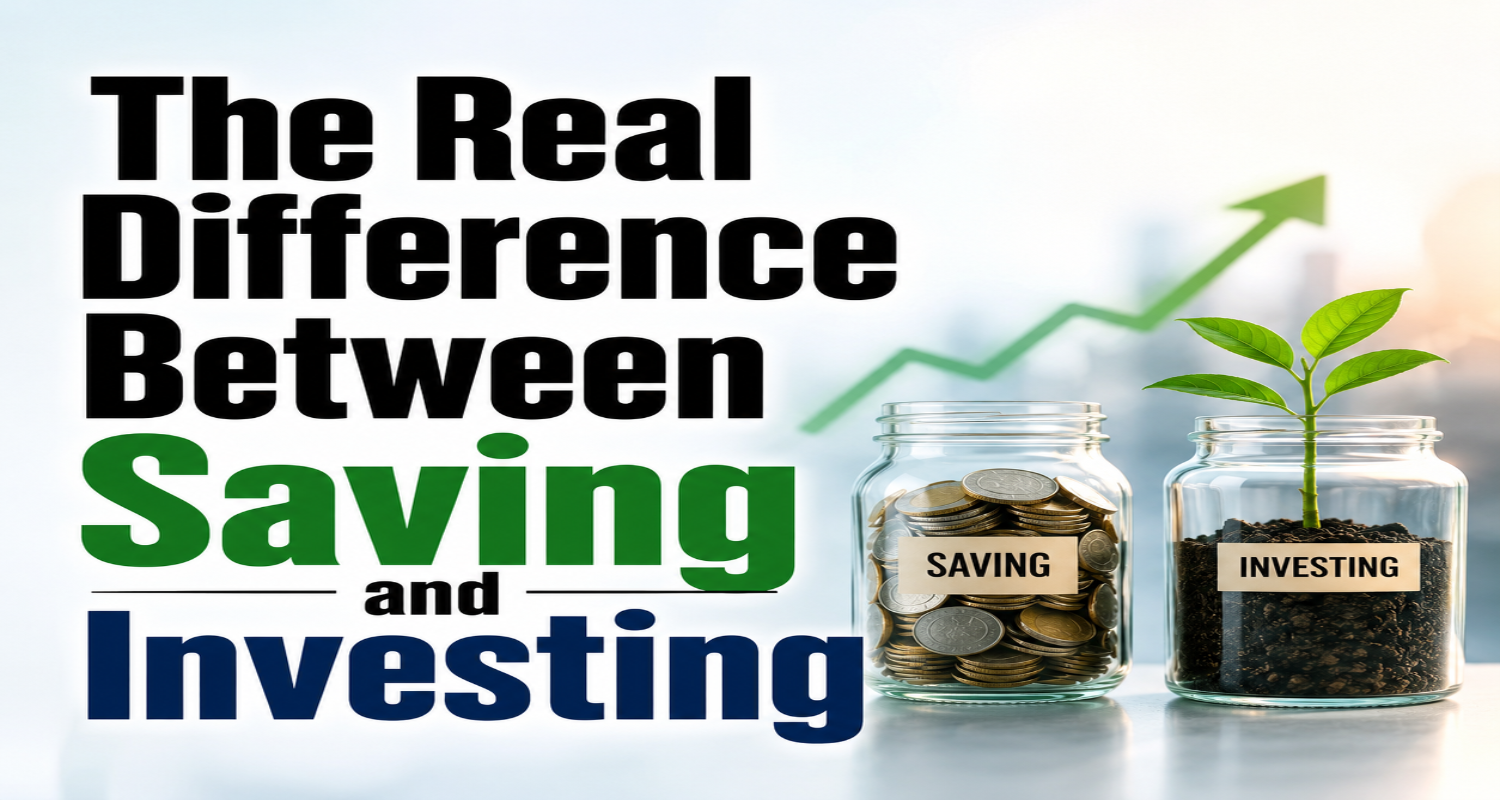
Many people use the words saving and investing as if they mean the same thing. However, they are very different. Understanding the difference is one of the smartest financial decisions you can make.
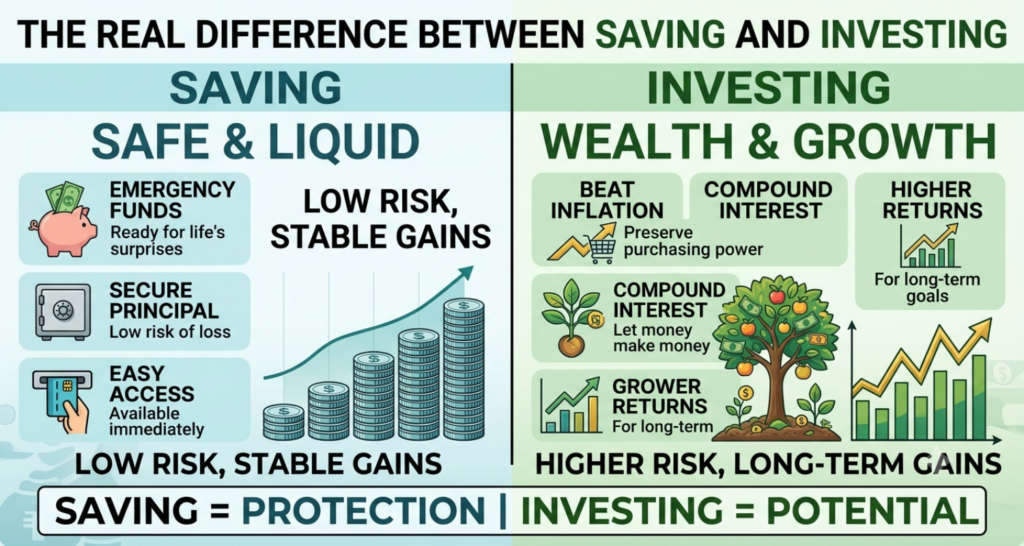
Saving helps protect your money. Investing helps grow your money. Both are important, yet each serves a different purpose.
In this guide, you’ll learn the real difference between saving and investing, their benefits, risks, and how to decide which one fits your financial goals.
What Is Saving?
Saving means putting money aside in a safe place for future use. Most people keep their savings in a bank savings account, money market account, or certificate of deposit (CD).
The main goal of saving is to protect your money while keeping it easy to access.
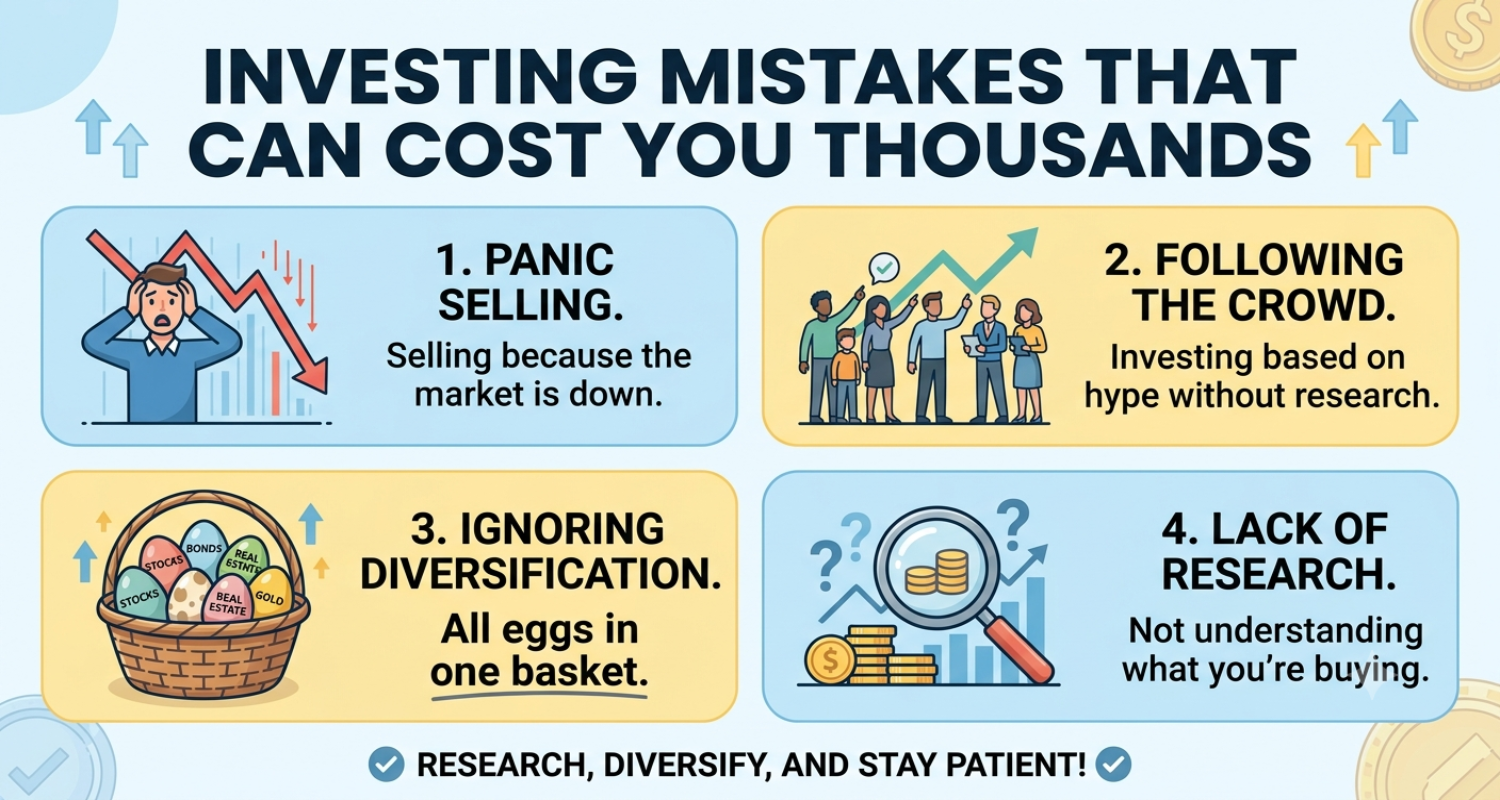
Investing Mistakes That Can Cost You Thousands
People usually save for:
- Emergency expenses
- Vacation plans
- Buying a car
- A home down payment
- Holiday shopping
- Short-term financial goals
Although savings accounts earn interest, the returns are generally low. Even so, your money remains relatively secure.
What Is Investing?
Investing means using your money to buy assets that may increase in value over time.
Common investments include:
- Stocks
- Bonds
- Mutual funds
- Exchange-Traded Funds (ETFs)
- Real estate
- Retirement accounts
Unlike saving, investing involves risk. The value of your investments can rise or fall.
However, investing offers much greater long-term growth potential.
Historically, the stock market has provided higher average returns than traditional savings accounts over long periods.
The Biggest Difference Between Saving and Investing
The main difference comes down to purpose and risk.
Saving focuses on protecting money for short-term needs.
Investing focuses on growing wealth for long-term goals.
If you need money within the next few years, saving is usually the better choice.
If you have several years before you need the money, investing often provides better growth opportunities.
Saving vs Investing: A Quick Comparison
| Saving | Investing |
|---|---|
| Low risk | Higher risk |
| Easy access to money | Money should stay invested longer |
| Lower returns | Higher long-term return potential |
| Best for short-term goals | Best for long-term goals |
| Protected in bank accounts (within applicable limits) | Market value can fluctuate |
Benefits of Saving
Saving offers several important advantages.
Financial Security
An emergency fund protects you from unexpected expenses.
For example, medical bills or car repairs become easier to handle.
Easy Access
Savings accounts allow quick access to your money whenever needed.
Lower Risk
Your money is generally protected from market volatility.
This makes saving ideal for short-term financial goals.
Benefits of Investing
Investing offers advantages that saving cannot match over the long run.
Higher Growth Potential
Investments can grow significantly over time through market appreciation.
Compound Growth
Your earnings can generate additional earnings.
Over many years, compounding can dramatically increase your wealth.
Beat Inflation
Inflation reduces purchasing power over time.
Investing gives your money a better chance to outpace inflation than keeping it in a standard savings account.
When Should You Save?
Saving is the better choice when:
- You need the money within one to three years.
- You are building an emergency fund.
- You’re saving for a vacation.
- You’re planning a major purchase soon.
- You want minimal financial risk.
These situations require stability rather than high returns.
When Should You Invest?
Investing makes more sense when:
- You’re saving for retirement.
- You have long-term financial goals.
- You can leave your money invested for at least five years.
- You want your wealth to grow over time.
- You understand that markets can fluctuate.
Patience is one of the biggest advantages investors have.
Can You Save and Invest at the Same Time?
Absolutely.
In fact, many financial experts recommend doing both.
A balanced strategy may look like this:
- Build an emergency fund covering three to six months of expenses.
- Pay off high-interest debt.
- Invest money for long-term goals.
- Continue adding to both savings and investments regularly.
This approach provides financial security while helping your wealth grow.
Common Mistakes to Avoid
Many people make avoidable financial mistakes.
Here are a few to watch for:
Keeping Too Much Money in Savings
Large cash balances may lose purchasing power because of inflation.
Investing Emergency Funds
Emergency savings should remain easily accessible, not exposed to market risk.
Waiting Too Long to Invest
The earlier you begin investing, the more time compound growth has to work.
Ignoring Financial Goals
Always match your strategy to your timeline and objectives.
How to Decide Between Saving and Investing
Ask yourself these questions:
- When will I need this money?
- Can I handle temporary market declines?
- Do I already have an emergency fund?
- Am I investing for retirement or another long-term goal?
Your answers will help determine the right choice.
Investor.gov – Saving and Investing
Final Thoughts
Saving and investing are not competitors—they work together.
Saving protects your financial foundation. Investing helps build long-term wealth.
A smart financial plan includes both. Save for emergencies and short-term goals. Invest for retirement and future growth.
The key is knowing when to save and when to invest. Once you understand the difference, you can make better financial decisions and move closer to lasting financial success.