 MOHAMMAD ABUBAKR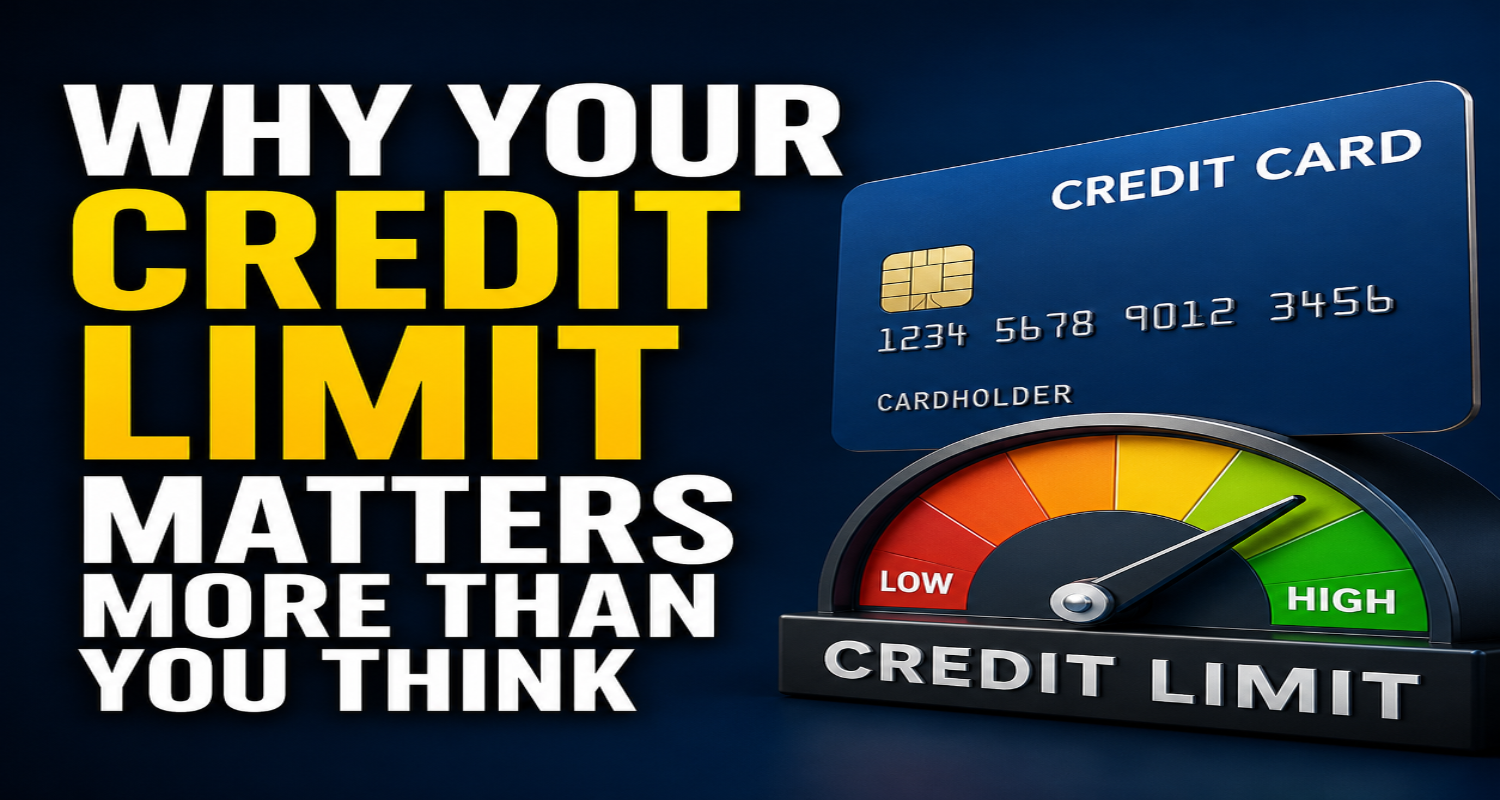
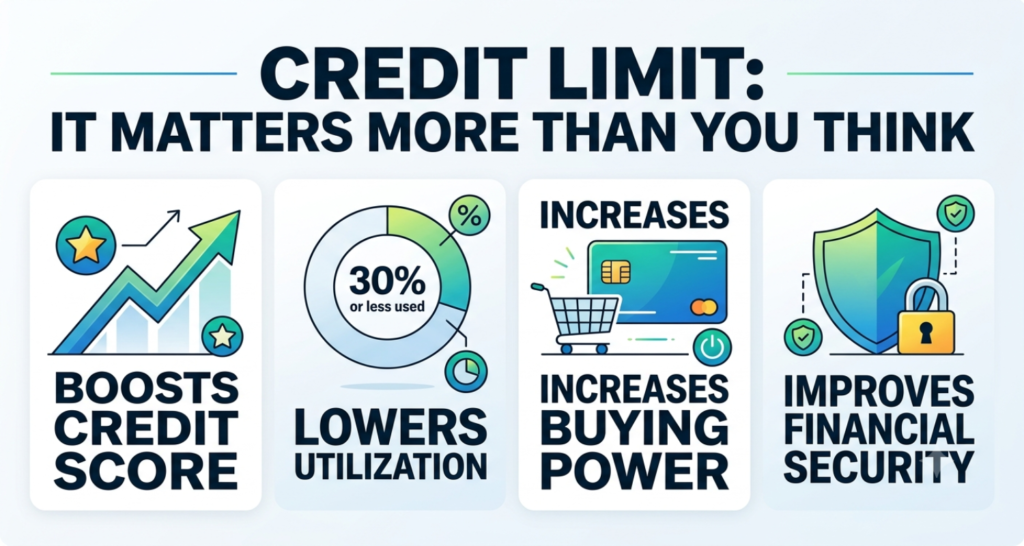
When most people think about credit cards, they focus on rewards, interest rates, or annual fees. However, one feature that often gets overlooked is the credit limit. While it may seem like just the maximum amount you can spend, your credit limit plays a much bigger role in your financial life.
Your credit limit can influence your credit score, loan approvals, interest rates, and even your financial flexibility during emergencies. Therefore, understanding how credit limits work is essential for building strong credit and making smarter financial decisions.
In this guide, you’ll learn why your credit limit matters, how it affects your credit score, and the best ways to manage it responsibly.
What Is a Credit Limit?
A credit limit is the maximum amount your credit card issuer allows you to borrow on a specific credit card.
How to Recover From a Bad Credit Score
For example:
- Credit Limit: $8,000
- Current Balance: $2,000
- Available Credit: $6,000
As you make purchases, your available credit decreases. When you pay your balance, your available credit increases again.
Although your credit limit sets a spending boundary, it should not be viewed as a spending goal.
Why Your Credit Limit Is So Important
Your credit limit affects much more than your purchasing power.
It influences:
- Your credit score
- Credit utilization ratio
- Loan approval chances
- Interest rates
- Financial flexibility
- Emergency spending capacity
As a result, managing your credit limit wisely can improve your overall financial health.
1. It Directly Affects Your Credit Utilization Ratio
One of the biggest reasons your credit limit matters is your credit utilization ratio.
Credit utilization measures how much of your available credit you are using.
Example
Suppose you have:
- Credit Limit: $10,000
- Balance: $2,000
Your utilization is 20%.
Now imagine your credit limit is only $4,000 with the same balance.
Your utilization jumps to 50%.
Even though you owe the same amount, the higher utilization may lower your credit score.
Most financial experts recommend keeping utilization below 30%. For the best results, many suggest staying below 10%.
2. A Higher Credit Limit Can Improve Your Credit Score
Higher credit limits often help lower your utilization ratio.
Lower utilization signals that you manage credit responsibly.
For example:
| Credit Limit | Balance | Utilization |
|---|---|---|
| $5,000 | $2,000 | 40% |
| $10,000 | $2,000 | 20% |
| $20,000 | $2,000 | 10% |
As your utilization decreases, your credit score may improve over time.
However, this only works if you avoid increasing your spending.
3. Lenders Review Your Available Credit
When you apply for a loan, lenders evaluate your entire credit profile.
They often review:
- Credit score
- Payment history
- Income
- Existing debt
- Available credit
A healthy amount of unused credit may indicate responsible financial management.
On the other hand, maxed-out credit cards can suggest financial stress.
4. It Gives You More Financial Flexibility
Unexpected expenses happen.
For example:
- Medical emergencies
- Car repairs
- Home maintenance
- Emergency travel
A higher credit limit provides additional flexibility when emergencies arise.
However, it should be treated as a safety net—not a reason to spend beyond your budget.
5. It Can Reduce Your Borrowing Costs
Many lenders use your credit score when determining loan interest rates.
Since your credit limit affects your utilization ratio, it may indirectly influence:
- Mortgage rates
- Auto loan rates
- Personal loan interest
- Credit card approvals
Even a modest improvement in your credit score can save thousands of dollars over the life of a loan.
How Credit Card Companies Set Your Credit Limit
Every lender uses its own approval process.
Common factors include:
Credit Score
Applicants with stronger credit histories often qualify for higher limits.
Income
Higher and more stable income generally supports larger credit limits.
Existing Debt
Lenders evaluate how much debt you already owe.
Payment History
Consistently paying on time increases lender confidence.
Credit History Length
Longer credit histories often lead to higher limits over time.
Should You Request a Credit Limit Increase?
Sometimes, yes.
If you’ve demonstrated responsible credit use, requesting a higher limit may benefit your credit profile.
You may qualify if:
- Your income has increased.
- You’ve made on-time payments.
- Your credit score has improved.
- You’ve had the account for several months or years.
Before requesting an increase, ask whether the issuer will perform a hard credit inquiry.
Some issuers review your account without affecting your credit score.
Mistakes to Avoid With a Higher Credit Limit
A higher limit is helpful only when managed responsibly.
Avoid these common mistakes.
Treating It Like Extra Income
Your credit limit is borrowed money—not additional earnings.
Only charge purchases you can comfortably repay.
Maxing Out Your Card
Using most or all of your available credit may hurt your credit score.
High balances also increase interest costs if you carry debt.
Missing Payments
A larger credit limit does not excuse late payments.
Payment history remains one of the most important credit score factors.
Always pay at least the minimum amount by the due date.
Opening Multiple Cards Too Quickly
Some people chase higher overall credit limits by applying for many cards.
However, multiple applications create hard inquiries that may temporarily lower your credit score.
Open new accounts only when they fit your financial goals.
Can a Credit Limit Be Reduced?
Yes.
Credit card issuers may lower your credit limit if they notice:
- Missed payments
- High debt
- Reduced income
- Long periods of inactivity
- Significant changes in your credit profile
A lower limit can increase your credit utilization ratio, even if your balance remains unchanged.
Using your card occasionally and paying on time may help prevent unexpected reductions.
How to Manage Your Credit Limit Wisely
Follow these best practices:
- Pay your statement balance in full whenever possible.
- Keep your utilization below 30%.
- Aim for below 10% for the strongest credit profile.
- Review your monthly statements.
- Avoid unnecessary debt.
- Request credit limit increases only when appropriate.
- Monitor your credit score regularly.
- Use automatic payments to avoid late fees.
These habits promote long-term financial health.
Does a Higher Credit Limit Mean Better Financial Health?
Not automatically.
A higher credit limit creates opportunity, but responsible behavior determines whether it benefits you.
Someone with a $30,000 credit limit who pays on time and maintains low balances often has stronger credit than someone with a $5,000 limit who consistently maxes out their card.
Responsible credit management always matters more than the size of your limit.
Final Thoughts
Your credit limit is much more than a spending cap. It affects your credit utilization ratio, credit score, borrowing power, and overall financial flexibility.
By keeping balances low, making every payment on time, and using your available credit responsibly, you can strengthen your credit profile and improve your financial future.
Remember, the goal isn’t to spend up to your limit. The goal is to use your credit wisely while maintaining healthy financial habits.
Over time, responsible credit management can lead to better loan approvals, lower interest rates, and greater financial confidence.
Consumer Financial Protection Bureau (CFPB) – Credit Cards:
Frequently Asked Questions
Does a higher credit limit improve my credit score?
A higher credit limit can improve your credit score if it lowers your credit utilization ratio and you continue making on-time payments.
What is a good credit utilization ratio?
Most experts recommend keeping utilization below 30%. Staying below 10% may provide even greater benefits.
Should I request a credit limit increase?
If you have a history of responsible credit use and increased income, requesting a higher limit may be beneficial. Check whether the request involves a hard credit inquiry.
Can my credit limit be lowered?
Yes. Credit card issuers may reduce your limit because of missed payments, inactivity, higher debt, or changes in your credit profile.
Is it bad to use my entire credit limit?
Frequently using your full credit limit can increase your credit utilization ratio and may negatively affect your credit score.