
 MOHAMMAD ABUBAKR
Innovation has always been a driving force behind business success, but in today’s fast-changing economy, it has become more important than ever. Technology is evolving rapidly, customer expectations are increasing, and competition continues to grow across nearly every industry. Businesses that embrace innovation are often better equipped to solve problems, improve efficiency, and create lasting value for their customers.
Innovation is not limited to inventing new products. It also includes improving services, streamlining operations, adopting new technologies, and finding better ways to serve customers. Whether you operate a startup or a well-established company, innovation can help your business stay competitive and prepare for future opportunities.
This guide explains why innovation matters more than ever, the benefits it offers, and practical ways businesses can create a culture of continuous improvement.
What Is Innovation?
Innovation is the process of developing new ideas or improving existing products, services, or business processes.
Innovation may involve:
- Creating new products.
- Improving customer service.
- Adopting new technology.
- Enhancing business operations.
- Developing better marketing strategies.
- Finding more efficient ways to solve customer problems.
Innovation focuses on delivering greater value rather than simply introducing change.
Marketing Strategies That Actually Work
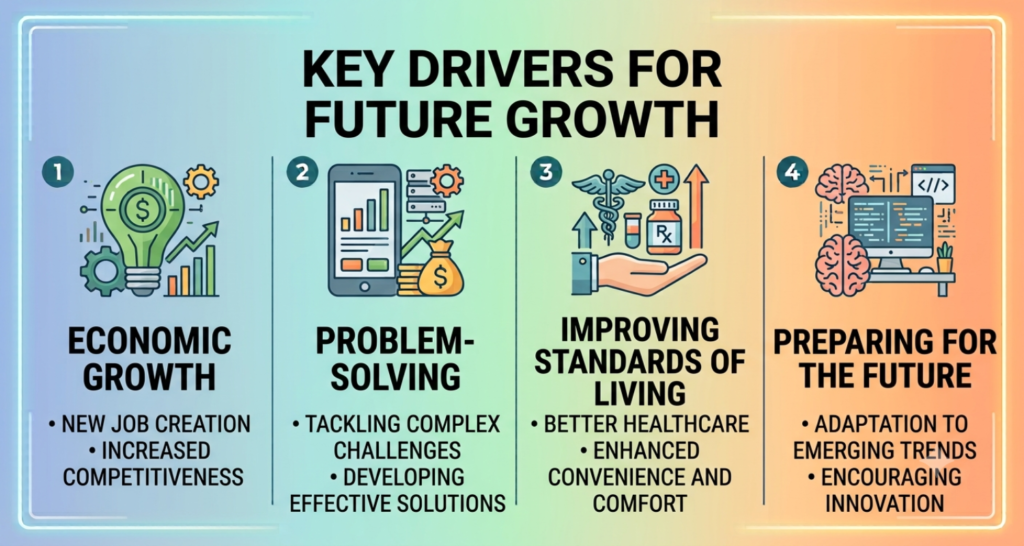
Why Innovation Is Important
Innovation helps businesses:
- Stay competitive.
- Increase efficiency.
- Improve customer satisfaction.
- Generate new revenue.
- Adapt to changing markets.
- Build long-term resilience.
Companies that innovate consistently are often better prepared for future challenges.
1. Innovation Helps Businesses Stay Competitive
Markets change quickly.
New technologies, changing consumer preferences, and emerging competitors constantly reshape industries.
Businesses that innovate can:
- Respond to customer needs faster.
- Differentiate themselves from competitors.
- Enter new markets.
- Improve existing products.
Remaining flexible helps businesses stay relevant over time.
2. It Improves Customer Experience
Today’s customers expect convenience, speed, and personalization.
Innovation helps businesses deliver:
- Faster customer support.
- Easier online shopping.
- Better mobile experiences.
- Personalized recommendations.
- Improved product quality.
A better customer experience often leads to stronger loyalty and repeat business.
3. Innovation Increases Efficiency
Many businesses use innovation to improve internal operations.
Examples include:
- Automating repetitive tasks.
- Streamlining workflows.
- Reducing paperwork.
- Improving inventory management.
- Enhancing communication.
Greater efficiency can reduce costs while improving productivity.
4. Technology Creates New Opportunities
Advances in technology continue to reshape business.
Many companies now use:
- Artificial intelligence (AI).
- Cloud computing.
- Automation software.
- Data analytics.
- Customer relationship management (CRM) systems.
These tools help businesses make smarter decisions and serve customers more effectively.
5. Innovation Encourages Business Growth
Businesses that continuously improve often discover new ways to grow.
Growth opportunities may include:
- Expanding into new markets.
- Launching new products.
- Offering digital services.
- Developing subscription models.
- Creating strategic partnerships.
Innovation opens doors to additional revenue streams.
6. Employees Become More Engaged
Innovation is not only about technology.
Employees who are encouraged to share ideas often become more engaged and motivated.
Businesses can support innovation by:
- Encouraging collaboration.
- Providing ongoing training.
- Rewarding creative thinking.
- Listening to employee feedback.
A culture of innovation benefits both employees and customers.
7. Innovation Helps Solve Customer Problems
Successful businesses focus on solving real challenges.
Instead of asking, “What can we sell?”
Ask:
- What problems do our customers face?
- How can we simplify their lives?
- What improvements would they value most?
Customer-focused innovation often leads to stronger products and services.
8. Innovation Supports Long-Term Financial Health
Innovation can strengthen financial performance by:
- Increasing productivity.
- Reducing operating costs.
- Improving customer retention.
- Creating new income sources.
- Enhancing profitability.
Businesses that continue improving are often better prepared for economic changes.
9. Sustainability Drives Innovation
Many companies are developing environmentally responsible solutions.
Examples include:
- Energy-efficient operations.
- Recyclable packaging.
- Waste reduction.
- Sustainable sourcing.
- Cleaner production methods.
Responsible innovation benefits both businesses and the environment.
10. Continuous Learning Fuels Innovation
Innovation depends on learning.
Business owners should stay informed about:
- Industry trends.
- Emerging technologies.
- Customer preferences.
- Competitor strategies.
- Market opportunities.
Ongoing education supports better decision-making and future growth.
Common Innovation Mistakes Businesses Should Avoid
Avoid these common errors:
- Resisting change.
- Ignoring customer feedback.
- Failing to test new ideas.
- Investing in technology without a clear purpose.
- Neglecting employee input.
- Avoiding calculated risks.
- Assuming past success guarantees future growth.
Successful innovation requires thoughtful planning and continuous improvement.
How to Build an Innovative Business
Use these practical strategies:
- Listen to your customers regularly.
- Encourage employee creativity.
- Invest in useful technology.
- Test new ideas on a small scale.
- Monitor industry developments.
- Measure the results of new initiatives.
- Improve products based on feedback.
- Build a flexible business culture.
- Focus on solving meaningful problems.
- Continue learning and adapting.
Small innovations can produce significant long-term benefits.
Why Innovation Is a Continuous Process
Innovation is not a one-time project.
Customer needs, technology, and markets continue to evolve.
Businesses that regularly evaluate their products, services, and operations are more likely to remain competitive.
Continuous improvement helps companies stay prepared for future opportunities and challenges.
Final Thoughts
Innovation matters more than ever because the business world is changing at an unprecedented pace. Companies that embrace new ideas, adopt useful technologies, and focus on customer needs are better positioned for long-term success. Innovation improves efficiency, strengthens customer relationships, creates new revenue opportunities, and helps businesses adapt to changing market conditions.
Rather than waiting for change to happen, successful businesses actively seek ways to improve every part of their operations. By building a culture of continuous learning and innovation, your business can remain competitive and continue growing in the years ahead.
U.S. Small Business Administration (SBA):
Frequently Asked Questions
Why is innovation important for businesses?
Innovation helps businesses improve products, increase efficiency, meet changing customer needs, and remain competitive.
Is innovation only about technology?
No. Innovation also includes improving customer service, business processes, marketing strategies, and overall customer experiences.
How can small businesses become more innovative?
Small businesses can encourage employee ideas, listen to customer feedback, adopt useful technology, and regularly improve their products and services.
Does innovation increase profitability?
Yes. Effective innovation can reduce costs, improve productivity, increase customer loyalty, and create new sources of revenue.