 MOHAMMAD ABUBAKR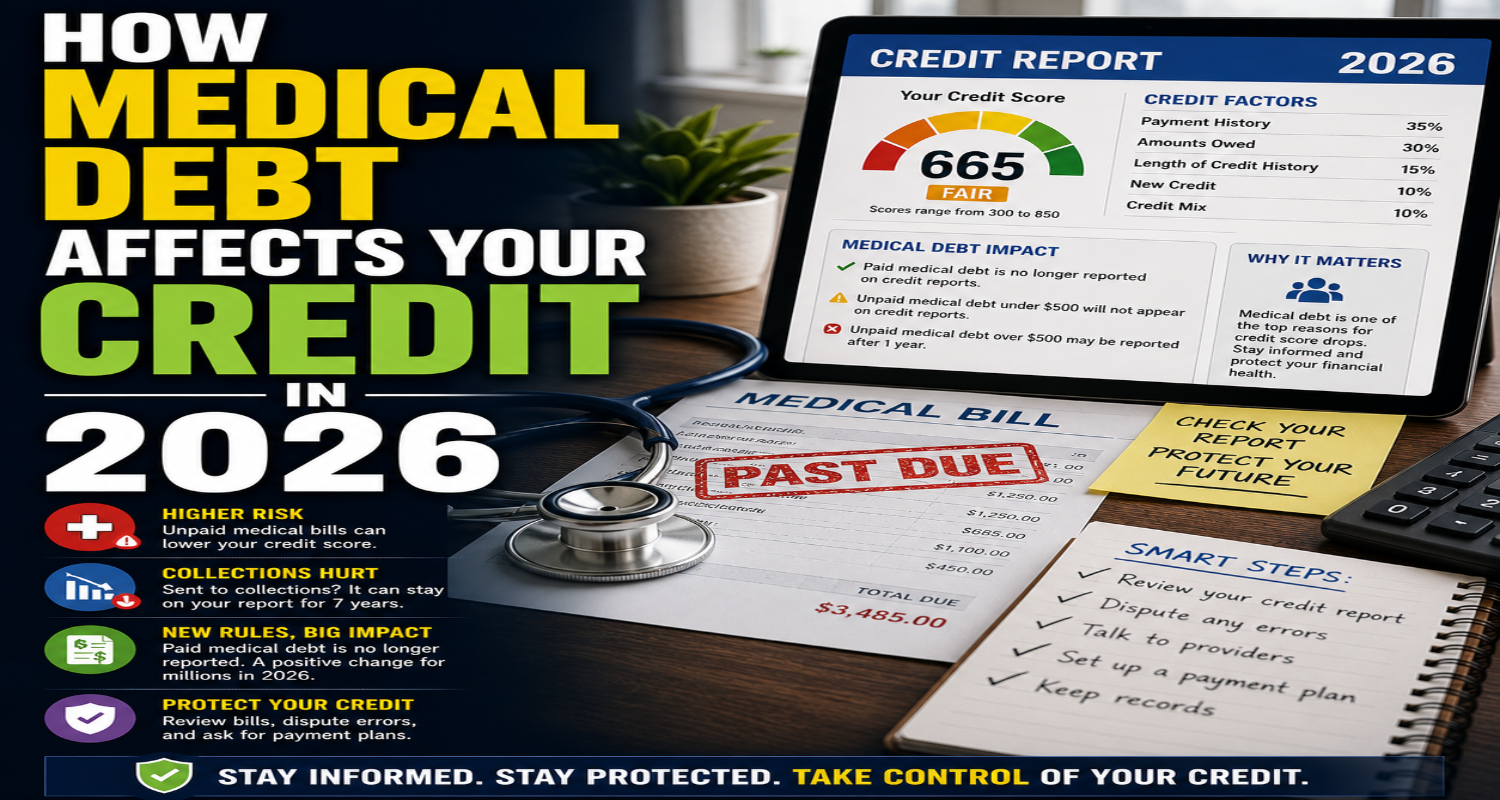
Medical bills can arrive unexpectedly. Even people with health insurance may face high out-of-pocket costs after an emergency, surgery, or hospital stay. For many Americans, medical debt remains a significant financial challenge. However, the way medical debt affects credit reports has changed in recent years.
In 2026, medical debt does not impact your credit the same way it once did. Credit reporting agencies have adopted new policies, and regulators continue to focus on reducing the negative effects of medical collections. Even so, unpaid medical bills can still create financial problems if they are ignored.
Understanding the latest rules can help you protect your credit score while managing healthcare expenses more effectively.
How to Read Your Credit Report Like a Pro in 2026
Why Medical Debt Is Different From Other Debt
Medical debt is often unavoidable. Unlike credit card purchases or personal loans, medical expenses usually result from illness, accidents, or emergencies.
For example, you may receive bills for:
- Emergency room visits
- Hospital stays
- Surgery
- Ambulance services
- Prescription medications
- Specialist appointments
Because these expenses are rarely planned, policymakers and credit bureaus have introduced changes that treat medical debt differently from other consumer debt.

Medical Debt and Credit Reports in 2026
The three major U.S. credit bureaus have changed how they report medical collections.
Today, many paid medical collection accounts no longer appear on consumer credit reports. In addition, medical collections are generally given more time before they can be reported.
These changes provide consumers with extra time to resolve insurance claims, billing errors, or payment disputes before their credit is affected.
However, qualifying unpaid medical collections can still appear on your credit report if they remain unresolved beyond the reporting period.
Recent Changes That Help Consumers
Several important changes continue to benefit consumers in 2026.
These include:
- Paid medical collections are generally removed from credit reports.
- Small medical collection balances may not be reported under current credit bureau policies.
- Medical collections typically have a longer waiting period before appearing on credit reports.
As a result, many consumers experience less damage to their credit scores than they would have several years ago.
Nevertheless, ignoring medical bills can still lead to collection activity and financial stress.
Can Medical Debt Lower Your Credit Score?
Yes, but it depends on the situation.
If an unpaid medical bill reaches collections and qualifies for credit reporting, it may negatively affect your credit score.
The impact depends on factors such as:
- The credit scoring model used
- Your overall credit history
- The amount of reported debt
- Whether the account has been paid
Some newer credit scoring models place less emphasis on medical collections than older models.
Therefore, two lenders may evaluate the same borrower differently.
How Medical Debt Can Cost You Money
Even with improved reporting rules, unresolved medical debt may create financial challenges.
For example, it can lead to:
- Higher borrowing costs
- Difficulty qualifying for loans
- Increased interest rates
- Additional collection fees
- Financial stress during major life events
Although recent changes reduce some credit score impacts, unpaid bills can still affect your overall financial health.
Medical Billing Errors Are More Common Than Many People Think
Medical billing mistakes happen regularly.
Common examples include:
- Duplicate charges
- Insurance processing delays
- Incorrect patient information
- Services billed incorrectly
- Charges for treatments never received
Because of these possibilities, review every medical bill carefully before making payment.
If something looks incorrect, contact both your healthcare provider and your insurance company immediately.
What to Do If You Receive a Large Medical Bill
Receiving an unexpected medical bill can feel overwhelming.
Fortunately, several options may help.
Review Every Charge
Ask for an itemized bill.
This allows you to verify every charge individually.
Verify Insurance Payments
Sometimes insurance claims are still processing.
Confirm that your insurer has completed its review before paying the balance.
Contact the Healthcare Provider
Many hospitals and medical providers offer:
- Interest-free payment plans
- Financial assistance programs
- Income-based discounts
Asking about these options may significantly reduce your total cost.
Don’t Ignore Collection Notices
Ignoring collection letters rarely solves the problem.
Instead, communicate with the provider or collection agency as early as possible.
Early action often creates more opportunities for payment arrangements.
How to Protect Your Credit From Medical Debt
You can reduce the risk of credit damage by following several simple habits.
Pay Attention to Your Mail
Medical bills sometimes arrive weeks after treatment.
Open every healthcare-related letter promptly.
Monitor Your Credit Reports
Review your credit reports regularly for unexpected collection accounts.
Early detection makes disputes easier.
Dispute Incorrect Information
If you discover inaccurate medical collections, file a dispute with the credit bureau.
Include supporting documents whenever possible.
Keep Payment Records
Save receipts, payment confirmations, insurance statements, and correspondence.
These documents may become valuable if reporting errors occur.
Medical Debt and Mortgage Applications
Mortgage lenders review your overall financial profile.
Although recent credit reporting changes reduce the impact of some medical collections, unresolved debt may still influence lending decisions.
Lenders may also evaluate:
- Total monthly obligations
- Debt-to-income ratio
- Payment history
- Overall credit profile
Managing medical debt responsibly improves your chances of qualifying for better loan terms.
Common Myths About Medical Debt
Myth: Every Medical Bill Hurts Your Credit
False.
Only qualifying medical collections that meet current reporting standards may appear on your credit report.
Myth: Paying Medical Collections Never Helps
False.
Paid qualifying medical collections are generally removed from consumer credit reports under current reporting policies.
Myth: Insurance Always Pays Everything
False.
Many health insurance plans include deductibles, copayments, and coinsurance.
Consumers often remain responsible for part of the bill.
Myth: You Should Ignore Medical Bills Until Collections
False.
Addressing billing questions early gives you more options and may help avoid collection activity.
Tips for Managing Medical Expenses
Consider these practical strategies:
- Build an emergency savings fund.
- Understand your insurance coverage.
- Request cost estimates before non-emergency procedures.
- Review Explanation of Benefits (EOB) statements carefully.
- Ask about payment plans when necessary.
- Keep organized financial records.
- Monitor your credit reports throughout the year.
These habits support both your financial health and your credit profile.
Federal Trade Commission (FTC) – Consumer Protection
Final Thoughts
Medical debt continues to affect millions of Americans, but credit reporting rules have become more consumer-friendly in 2026. Paid medical collections are generally removed from credit reports, and consumers now have additional time before many medical collections are reported.
Even so, medical debt should never be ignored. Billing mistakes, unpaid balances, and unresolved collection accounts can still create financial challenges and may influence future borrowing opportunities.
Review every medical bill carefully, monitor your credit reports regularly, and communicate with healthcare providers if payment becomes difficult. Taking action early can help protect your credit score while reducing unnecessary financial stress.