 MOHAMMAD ABUBAKR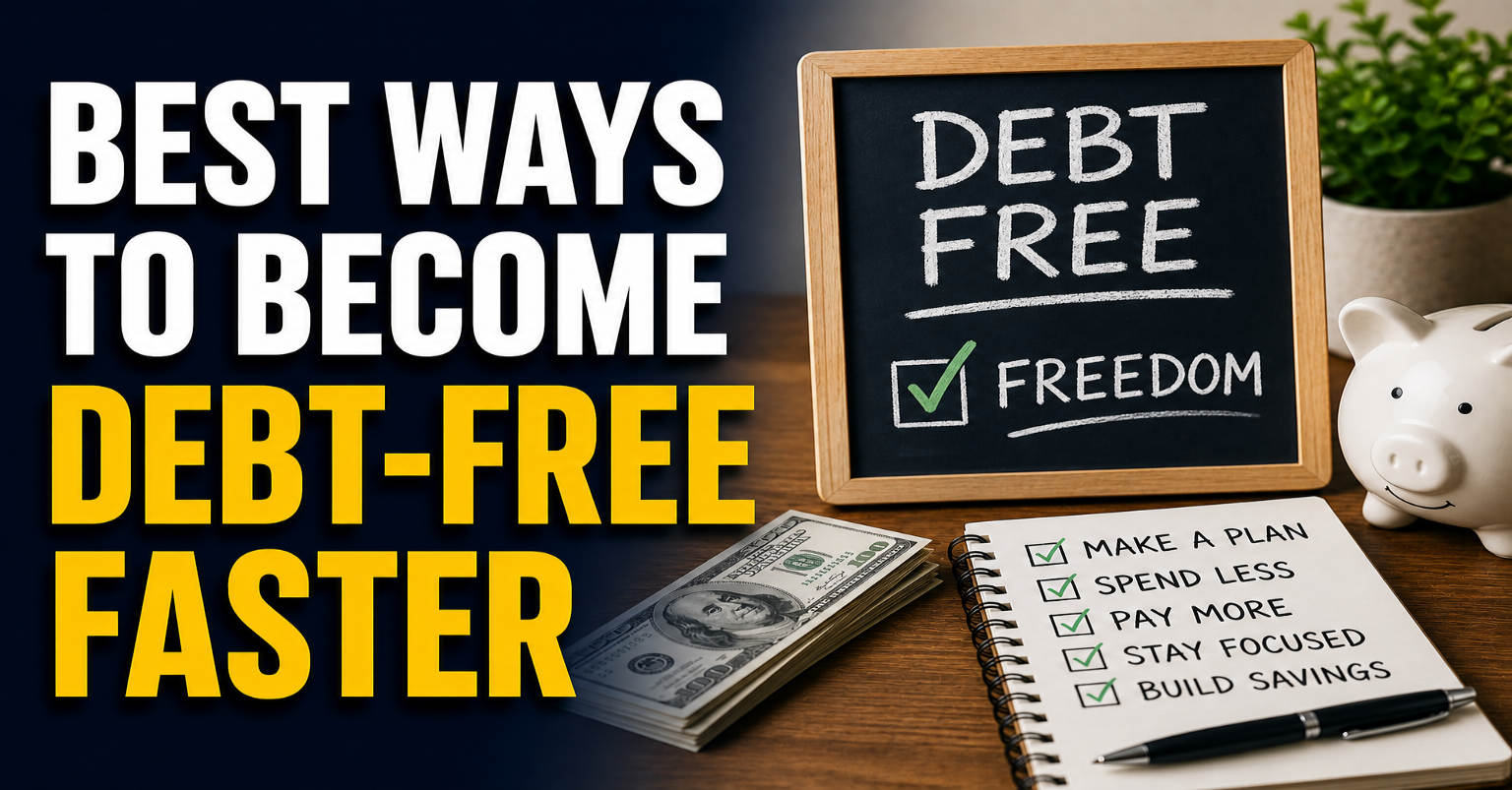
Debt can feel overwhelming, but becoming debt-free is possible with the right plan. Whether you’re paying off credit cards, personal loans, student loans, or auto loans, every payment moves you closer to financial freedom. While there isn’t a one-size-fits-all solution, consistent habits and smart strategies can help you eliminate debt faster than you might think.
In 2026, many Americans continue to face higher living costs and rising interest expenses. As a result, reducing debt has become a top financial priority for households across the country. The sooner you lower your balances, the more money you can save on interest and redirect toward savings, investing, and other financial goals.
Anchor Text: Simple Budgeting Tips That Actually Work
This guide explains the best ways to become debt-free faster, avoid common repayment mistakes, and build healthier financial habits for the future.
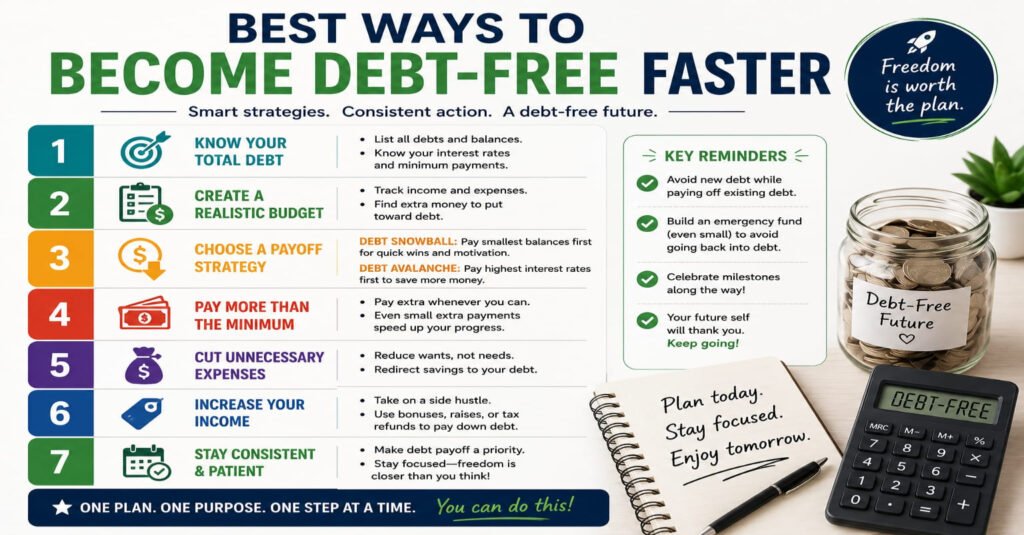
Why Paying Off Debt Matters
Carrying debt doesn’t just affect your monthly budget. It can also limit your ability to save, invest, and prepare for unexpected expenses.
Reducing debt can help you:
- Save money on interest.
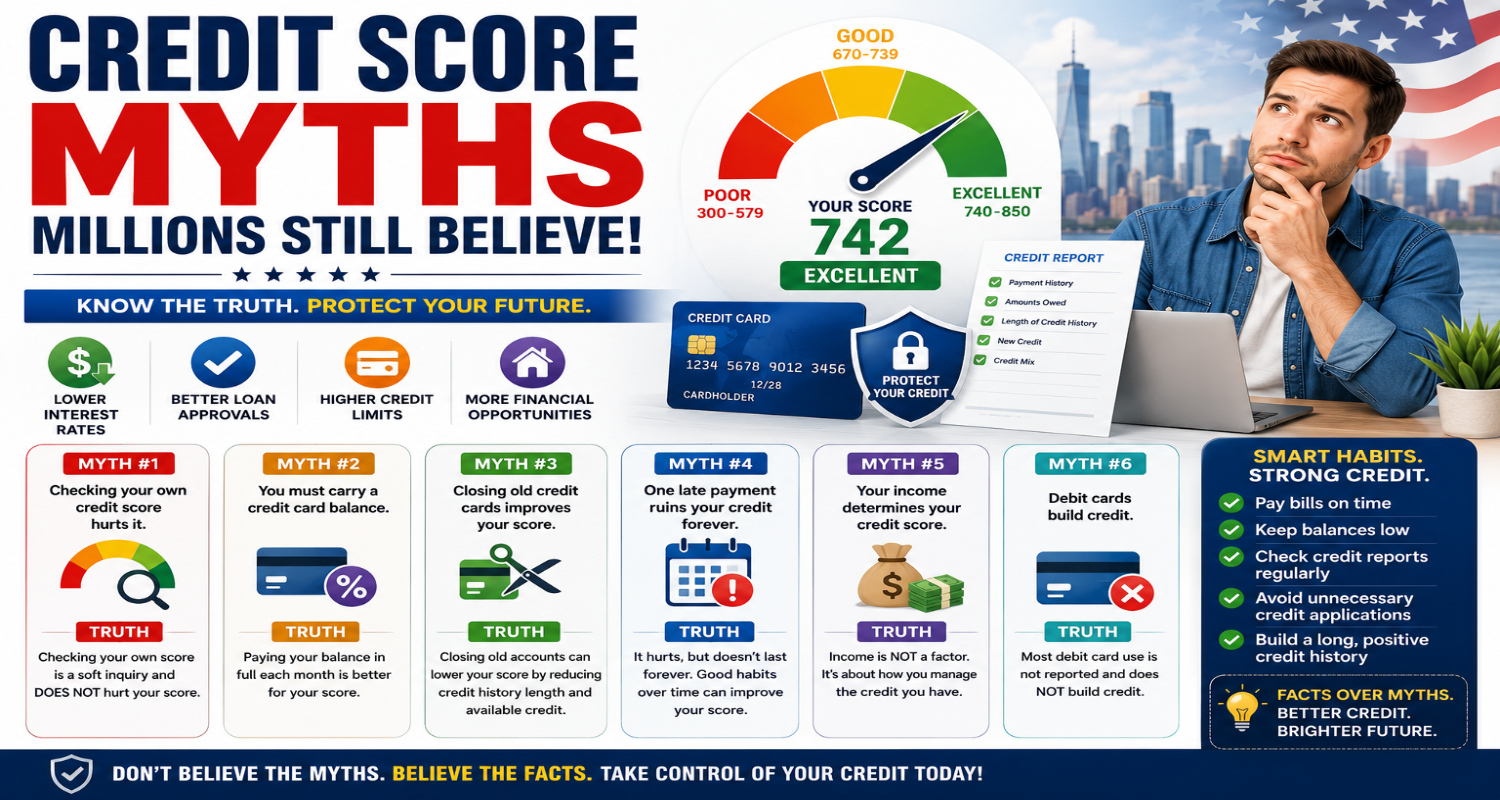
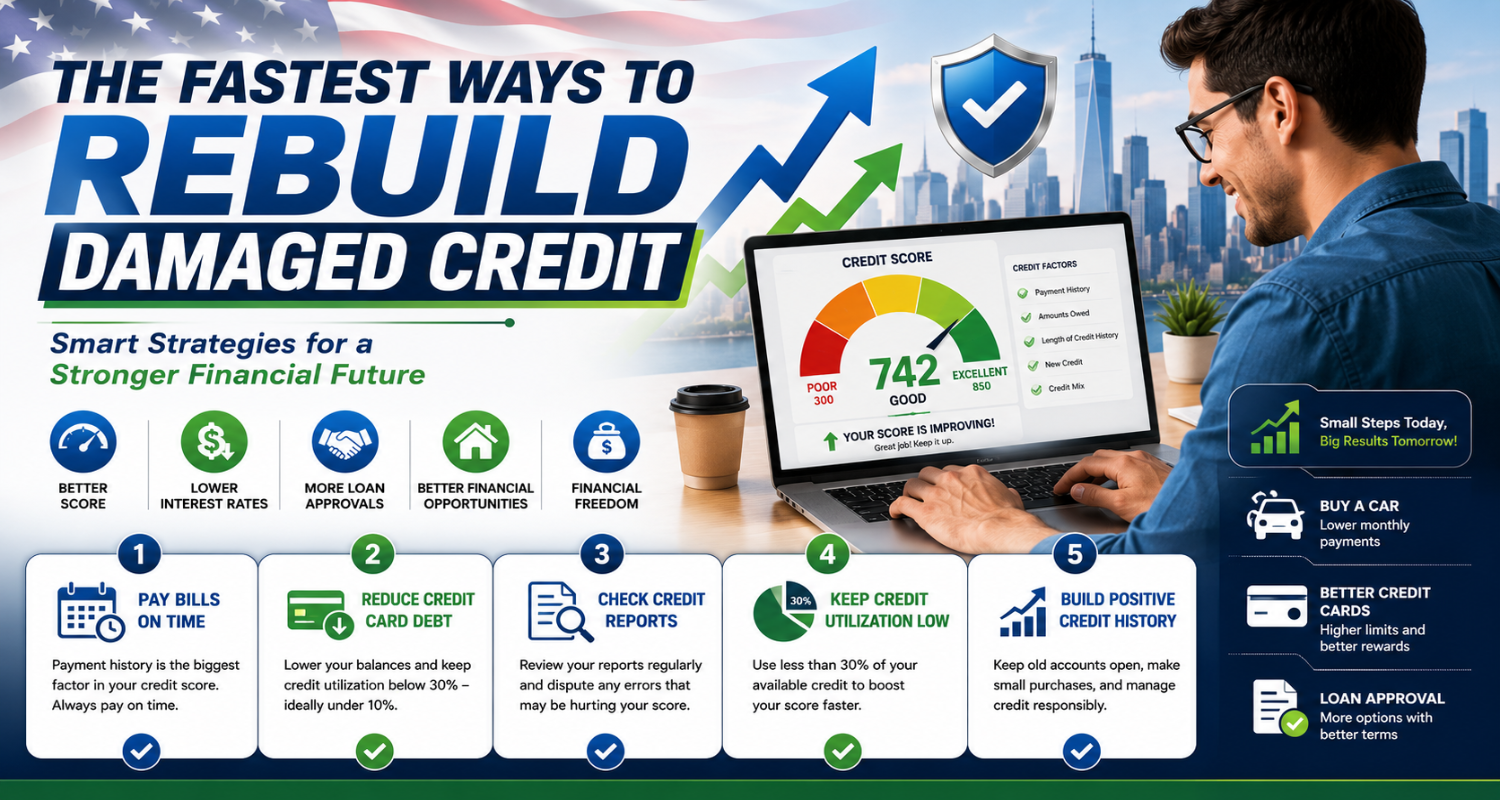
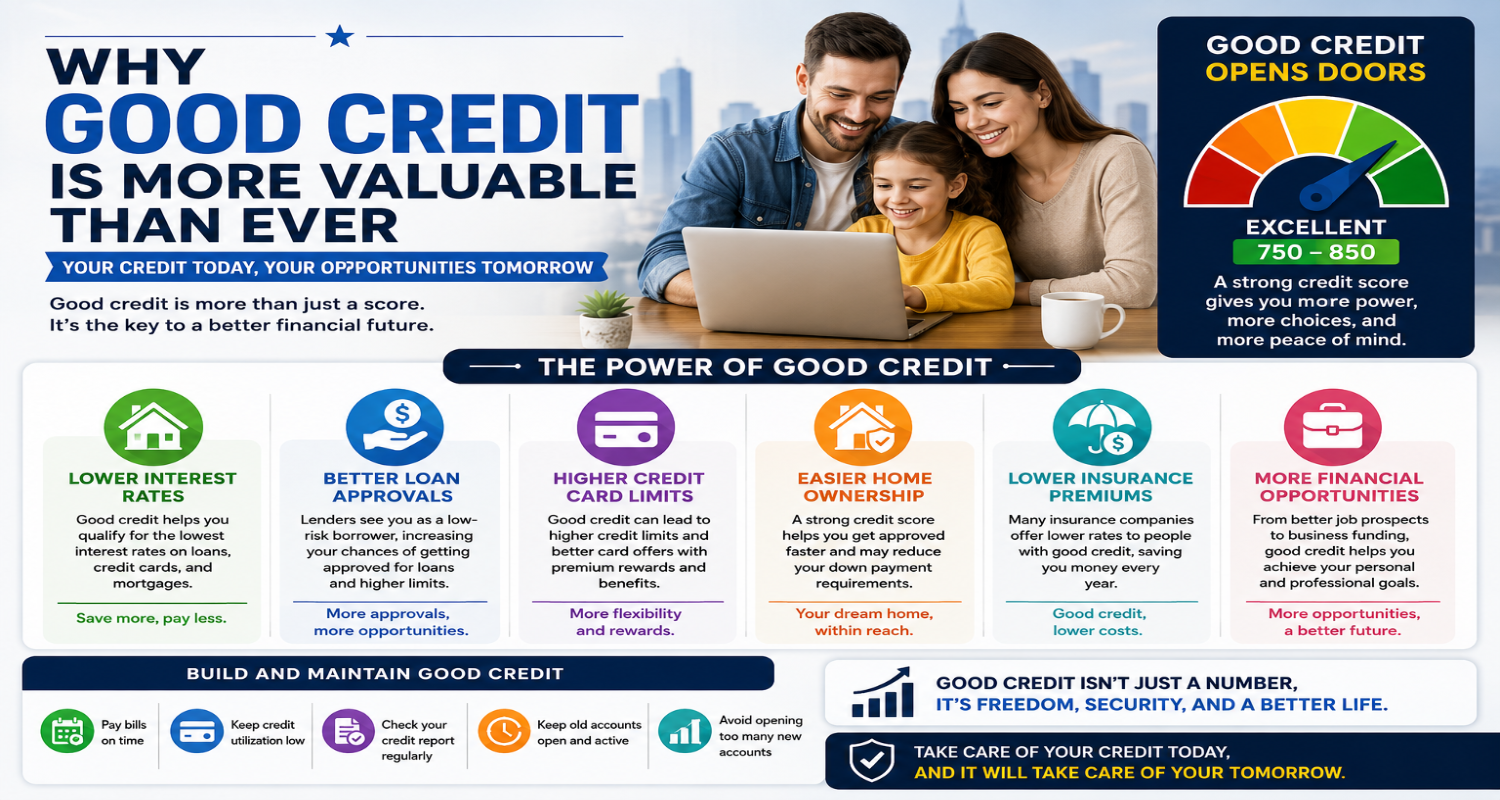
- Improve your credit score.
- Increase monthly cash flow.
- Reduce financial stress.
- Reach financial goals sooner.
- Qualify for better loan terms.
The faster you pay off debt, the sooner you can focus on building wealth.
10 Best Ways to Become Debt-Free Faster
1. List Every Debt You Owe
The first step is understanding exactly what you owe.
Create a list that includes:
- Credit cards
- Personal loans
- Auto loans
- Student loans
- Medical debt
- Other outstanding balances
For each account, write down:
- Current balance
- Interest rate
- Minimum payment
- Due date
Having a complete picture makes it easier to create a repayment strategy.
2. Build a Monthly Budget
A budget helps you identify money that can be redirected toward debt payments.
Track your:
- Income
- Fixed expenses
- Variable expenses
- Savings
- Debt payments
Even small spending cuts can free up extra cash each month.
The key is giving every dollar a purpose.
3. Pay More Than the Minimum
Making only the minimum payment can keep you in debt for years.
Whenever possible, pay extra toward your balances.
Even an additional $50 or $100 each month can reduce interest costs and shorten your repayment timeline.
Small extra payments add up over time.
4. Focus on High-Interest Debt First
One popular strategy is paying off the debt with the highest interest rate while continuing minimum payments on other accounts.
This approach helps reduce the total interest paid over time.
High-interest debts often include:
- Credit cards
- Certain personal loans
- Payday loans
Lowering expensive debt first can accelerate your financial progress.
5. Consider the Debt Snowball Method
Some people stay motivated by paying off the smallest balance first.
Once one debt is eliminated, roll that payment into the next balance.
This creates momentum as each account is paid off.
Seeing quick progress can help you stay committed to your repayment plan.
6. Reduce Unnecessary Spending
Look for opportunities to lower monthly expenses.
Examples include:
- Cancel unused subscriptions.
- Eat out less often.
- Shop with a grocery list.
- Compare insurance premiums.
- Reduce impulse purchases.
Direct the money you save toward your debt.
Consistent small changes can produce significant long-term results.
7. Increase Your Income
Paying off debt becomes easier when you earn more.
You might consider:
- Working overtime
- Freelancing
- Selling unused items
- Taking on a part-time job
- Starting a side business
Using extra income exclusively for debt repayment can significantly shorten your payoff timeline.
8. Avoid Taking On New Debt
While paying down existing balances, avoid adding new debt whenever possible.
Before making a purchase, ask yourself:
- Is this necessary?
- Can I pay cash instead?
- Will this delay my financial goals?
Breaking the borrowing cycle is essential for long-term success.
9. Build an Emergency Fund
Unexpected expenses often cause people to rely on credit cards again.
Even a modest emergency fund can help cover:
- Car repairs
- Medical bills
- Home maintenance
- Unexpected travel
Having savings reduces the need to borrow when life happens.
10. Track Your Progress
Watching your debt balances decrease can provide powerful motivation.
Review your progress every month.
Celebrate milestones such as:
- Paying off a credit card
- Reaching a savings goal
- Lowering your total debt balance
- Improving your credit score
Recognizing progress helps maintain momentum.
Debt Repayment Strategies Compared
Different methods work for different people.
Debt Avalanche Method
Focus on the highest-interest debt first.
Best for:
- Saving the most money on interest
- Faster long-term payoff
Debt Snowball Method
Pay off the smallest balance first.
Best for:
- Staying motivated
- Seeing quick wins
Both strategies can be effective. Choose the one you’ll stick with consistently.
Common Debt Payoff Mistakes
Avoid these mistakes while working toward financial freedom.
Ignoring Your Budget
Without a budget, it’s difficult to find extra money for debt payments.
Continuing to Use Credit Cards
Adding new balances slows your progress.
Limit credit card use until existing debt is under control.
Skipping Payments
Late payments may result in additional fees and negatively affect your credit score.
Set up automatic payments whenever possible.
Forgetting About Interest Rates
High-interest debt grows quickly.
Understanding your interest costs helps you prioritize repayment.
Additional Tips to Pay Off Debt Faster
Consider these habits:
- Round up every payment.
- Use tax refunds for debt reduction.
- Apply work bonuses toward balances.
- Refinance eligible loans if it lowers your interest rate.
- Review your spending every month.
- Increase payments whenever your income grows.
Small improvements can shorten your debt payoff timeline considerably.
Benefits of Becoming Debt-Free
Eliminating debt creates opportunities far beyond lower monthly payments.
Benefits include:
- Greater financial flexibility
- Improved credit health
- Reduced stress
- Higher savings potential
- More investment opportunities
- Better financial confidence
- Increased peace of mind
Financial freedom often begins with eliminating unnecessary debt.
Frequently Asked Questions
What is the fastest way to pay off debt?
The fastest approach depends on your financial situation. Paying more than the minimum, reducing spending, increasing income, and focusing on high-interest balances can all accelerate repayment.
Should I save money while paying off debt?
Yes. Maintaining a small emergency fund helps prevent new borrowing when unexpected expenses occur.
Is the debt snowball or debt avalanche method better?
Both methods work. The avalanche method saves more on interest, while the snowball method may provide greater motivation through quicker victories.
Can paying off debt improve my credit score?
Yes. Lower balances, on-time payments, and reduced credit utilization can all contribute to a healthier credit profile over time.
How often should I review my debt repayment plan?
Review your progress at least once a month and adjust your strategy whenever your income or expenses change.
Final Thoughts
Becoming debt-free doesn’t happen overnight, but every extra payment brings you closer to financial independence. The key is choosing a strategy you can maintain consistently, whether that’s paying off high-interest debt first, using the debt snowball method, or combining several repayment techniques.
Remember that progress matters more than perfection. Build a realistic budget, avoid taking on new debt, and celebrate each milestone along the way. Over time, these consistent habits can help you eliminate debt, strengthen your finances, and create more opportunities to save, invest, and achieve your long-term goals.
Anchor Text: Consumer Financial Protection Bureau – Managing Debt