
 MOHAMMAD ABUBAKR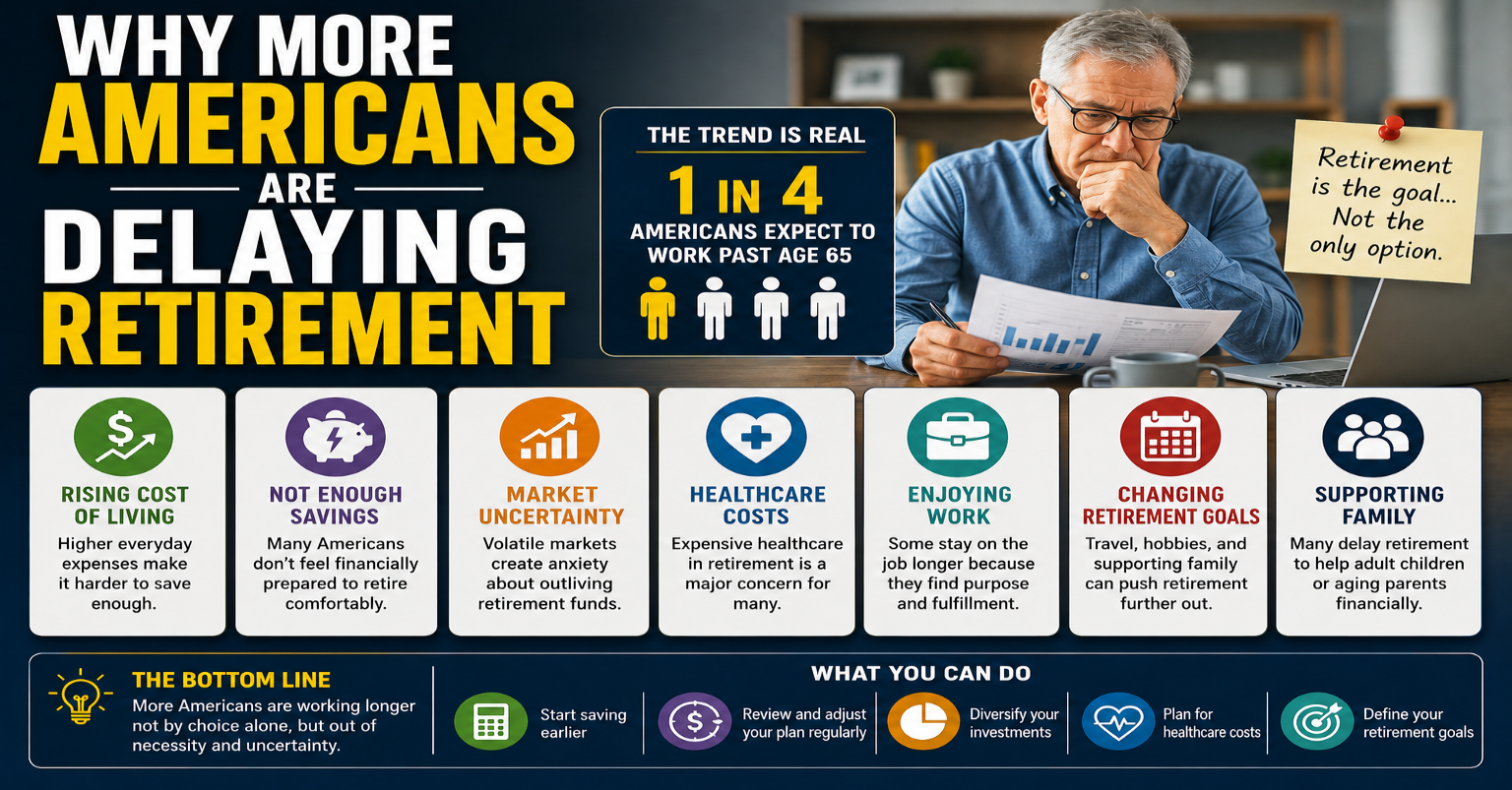
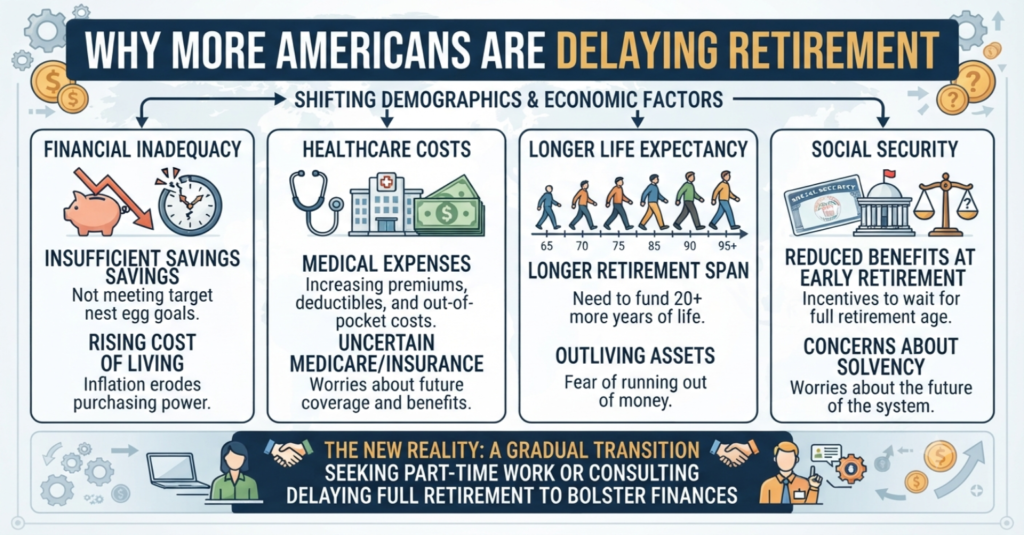
For many Americans, retirement no longer begins at age 65. Instead, a growing number of people are choosing—or feeling the need—to work longer than previous generations. Although retirement remains a major financial goal, changing economic conditions, longer life expectancy, and evolving career priorities are reshaping retirement plans across the country.
Some workers delay retirement because they enjoy their careers. Others continue working to strengthen their financial security or maintain employer-sponsored health insurance. Meanwhile, rising living costs and longer retirements have made careful planning more important than ever.
The good news is that delaying retirement can offer financial advantages when it becomes part of a well-planned strategy. However, it should always reflect your personal goals, health, and financial situation.
Are You Saving Enough for Retirement?
This guide explains why more Americans are delaying retirement and how you can decide what retirement timeline works best for your future.
Why Retirement Plans Are Changing
Retirement today looks very different than it did a few decades ago.
Several trends are influencing retirement decisions, including:
- Rising living expenses
- Longer life expectancy
- Higher healthcare costs
- Inflation
- Economic uncertainty
- Stronger desire for financial security
As a result, many people are rethinking the traditional retirement age.
Instead of leaving the workforce as early as possible, they’re planning for greater flexibility.
1. Rising Cost of Living
One of the biggest reasons people delay retirement is the increasing cost of everyday life.
Housing, groceries, insurance, healthcare, and utilities have become more expensive in many parts of the country.
Consequently, some workers choose to remain employed so they can continue earning income while saving more for retirement.
Even a few additional working years may strengthen long-term financial stability.
2. Longer Life Expectancy
Americans are generally living longer than previous generations.
Therefore, retirement savings may need to last 20 to 30 years—or even longer.
A longer retirement means more years of:
- Housing expenses
- Medical costs
- Daily living expenses
- Travel and recreation
- Inflation
Working longer may allow investors additional time to save while reducing the number of years their retirement portfolio must support them.
3. Healthcare Expenses
Healthcare remains one of the largest financial concerns for retirees.
Although programs such as Medicare help cover many medical costs, retirees may still face premiums, deductibles, prescriptions, and out-of-pocket expenses.
As a result, many Americans delay retirement until they feel more financially prepared for future healthcare needs.
Some also continue working to keep employer-sponsored health insurance before becoming eligible for Medicare.
4. Wanting Larger Retirement Savings
Many workers simply want greater financial confidence before retiring.
Instead of retiring as soon as possible, they continue contributing to:
- 401(k) plans
- Individual Retirement Accounts (IRAs)
- Taxable investment accounts
- Health Savings Accounts (HSAs)
Furthermore, additional years of investing give compound growth more time to work.
Small annual contributions can make a meaningful difference over several years.
5. Social Security Considerations
Some Americans choose to delay claiming Social Security retirement benefits.
For eligible individuals, waiting beyond the earliest claiming age may increase monthly benefit payments, subject to program rules.
Therefore, delaying retirement can support a strategy of postponing benefit claims.
The best claiming age depends on personal circumstances, health, and financial needs.
6. Job Satisfaction
Not everyone wants to stop working completely.
Many people enjoy the purpose, social interaction, and routine that work provides.
Consequently, some choose to:
- Work part-time
- Start consulting
- Freelance
- Launch small businesses
- Transition into less demanding roles
Retirement has become more flexible than in the past.
7. Market Uncertainty
Stock market volatility can affect retirement confidence.
When investment balances decline, some people decide to work longer before relying on their savings.
Doing so may allow additional time for portfolios to recover, although future market performance is never guaranteed.
Remaining invested according to a long-term plan is often more important than reacting to short-term market movements.
Benefits of Delaying Retirement
Working longer isn’t the right choice for everyone.
However, it may offer several financial advantages.
These include:
- More retirement savings
- Higher lifetime earnings
- Additional employer retirement contributions
- Greater Social Security benefits for some individuals
- Fewer years relying on retirement savings
- More time for investments to grow
These benefits can improve long-term financial security.
Potential Challenges
Delaying retirement also has drawbacks.
Consider these possible challenges:
- Health concerns
- Caregiving responsibilities
- Job-related stress
- Physical limitations
- Limited work opportunities in some industries
Therefore, retirement planning should include both financial and personal considerations.
How to Prepare for Retirement—No Matter Your Timeline
Whether you retire at 60, 65, or later, preparation is essential.
Consider these steps:
Save Consistently
Regular contributions often matter more than trying to invest large amounts occasionally.
Automatic investing can simplify the process.
Reduce High-Interest Debt
Lower debt generally means greater financial flexibility during retirement.
Focus on paying off high-interest balances before retiring whenever possible.
Build an Emergency Fund
Unexpected expenses don’t stop after retirement.
Emergency savings help reduce financial stress without forcing withdrawals from long-term investments.
Review Your Retirement Plan
Evaluate your savings, investments, insurance, and expected retirement income at least once each year.
Adjust your strategy as your goals or circumstances change.
Common Retirement Planning Mistakes
Avoid these common errors.
Waiting Too Long to Save
Starting early gives compound growth more time to work.
However, increasing contributions later can still improve retirement readiness.
Underestimating Healthcare Costs
Medical expenses can become a significant part of retirement spending.
Include them in your long-term financial plan.
Depending on One Income Source
Diversifying retirement income may improve financial stability.
Many retirees combine savings, investments, Social Security, and other income sources.
Ignoring Inflation
Living costs often increase over time.
Your retirement strategy should consider future purchasing power.
Frequently Asked Questions
Why are more Americans delaying retirement?
Many people are working longer because of rising living costs, healthcare expenses, longer life expectancy, and the desire to strengthen their retirement savings.
Is delaying retirement a good financial decision?
For some individuals, working longer can increase retirement savings, allow additional investment growth, and potentially increase future Social Security benefits. The right choice depends on your personal situation.
How does working longer affect retirement savings?
Additional working years may provide more opportunities to contribute to retirement accounts while reducing the number of years you’ll rely on those savings.
Can I retire gradually instead of stopping work completely?
Yes. Many Americans transition into part-time work, consulting, or self-employment before fully retiring.
Should I delay retirement if markets are down?
That decision depends on your financial plan, income needs, health, and personal goals. A financial professional can help you evaluate your options.
Final Thoughts
More Americans are delaying retirement because financial planning has become increasingly complex. Rising living costs, healthcare expenses, longer life expectancy, and changing career goals have encouraged many people to rethink when they want to leave the workforce. While delaying retirement isn’t the right solution for everyone, it can provide additional time to save, invest, and strengthen long-term financial security.
The most important step is creating a retirement plan that fits your own circumstances rather than following someone else’s timeline. By saving consistently, reducing debt, preparing for healthcare costs, and reviewing your progress regularly, you can build greater confidence about whenever you choose to retire.
U.S. Social Security Administration – Retirement Benefits