 MOHAMMAD ABUBAKR
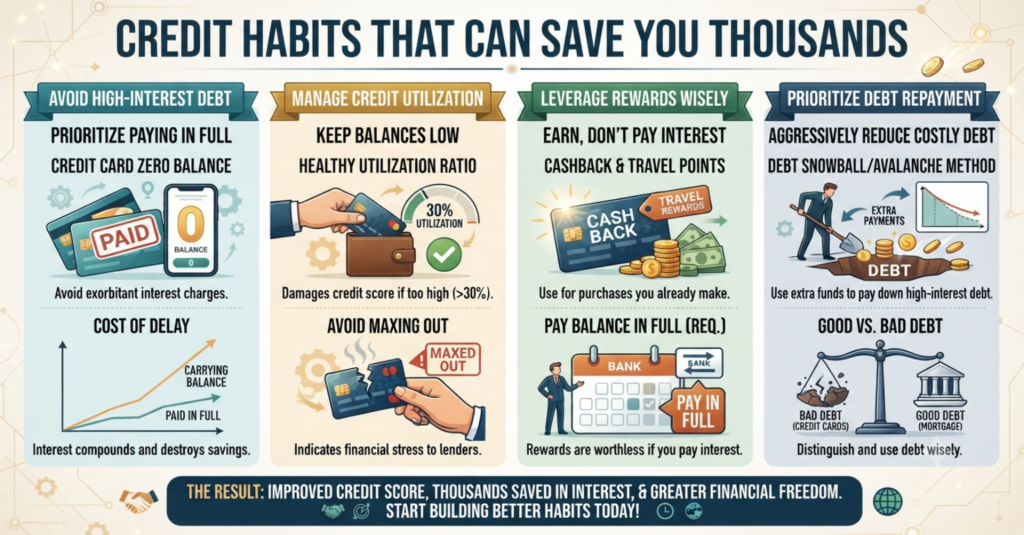
Your credit habits can affect much more than your credit score. They can influence the interest rates you qualify for, the loans available to you, insurance costs in some states, and even the total amount you pay over your lifetime. Consequently, developing healthy credit habits can lead to significant long-term savings.
Fortunately, improving your credit doesn’t require complicated financial strategies. Instead, it often comes down to consistent behaviors practiced month after month. Moreover, small changes in how you manage credit today may help you avoid unnecessary borrowing costs in the future.
Whether you’re applying for a mortgage, financing a vehicle, using a credit card, or simply working to strengthen your financial profile, good credit habits can make a meaningful difference. Therefore, understanding these habits is one of the smartest financial investments you can make.
If you’re looking to reduce borrowing costs and improve your financial future, these proven credit habits are an excellent place to start.
The Credit Habits That Improve Your Financial Life
1. Always Pay Your Bills on Time
Payment history is one of the most important factors influencing your credit profile.
Even one missed payment may have long-term consequences.
Therefore, consider:
- Setting automatic payments
- Using payment reminders
- Paying early whenever possible
Consistently paying on time demonstrates responsible credit management and helps protect your financial reputation.
2. Keep Credit Card Balances Low
Using a large percentage of your available credit may affect your credit profile.
Instead, many financial experts recommend keeping balances well below your credit limits whenever possible.
Consequently, lower balances can demonstrate responsible credit usage while reducing interest costs if you pay your balance in full.
3. Pay More Than the Minimum
Making only the minimum payment can increase the total interest you pay over time.
Whenever your budget allows, pay more than the required minimum.
Doing so may help you:
- Reduce interest expenses
- Pay off balances faster
- Lower outstanding debt
- Improve financial flexibility
Furthermore, paying extra each month can shorten your repayment timeline significantly.
4. Review Your Credit Reports Regularly
Monitoring your credit reports helps you understand your financial standing.
Reviewing your reports allows you to:
- Verify account information
- Identify possible errors
- Monitor credit activity
- Detect unexpected changes
Consequently, reviewing your credit reports regularly can help you address problems more quickly.
5. Limit Unnecessary Credit Applications
Every credit application should have a purpose.
Applying for multiple accounts within a short period may affect your credit profile.
Instead, apply only when you genuinely need new credit.
Moreover, thoughtful borrowing decisions support long-term financial health.
6. Build Credit Gradually
Strong credit usually develops over time.
Rather than seeking multiple new accounts, focus on responsible long-term credit management.
Good habits include:
- Paying on time
- Keeping balances manageable
- Using credit responsibly
- Maintaining older accounts when appropriate
Patience often plays an important role in building strong credit.
7. Create a Monthly Budget
A budget supports healthy credit habits.
Knowing exactly where your money goes each month makes it easier to avoid missed payments and unnecessary debt.
Furthermore, budgeting helps ensure you have enough money available for regular financial obligations.
8. Build an Emergency Fund
Unexpected expenses frequently lead people to rely on credit cards.
However, emergency savings can reduce the need to borrow when financial surprises occur.
As a result, you’ll be better prepared to protect both your budget and your credit profile during challenging situations.
9. Monitor Your Credit Regularly
Building good credit isn’t a one-time task.
Instead, make it a habit to monitor your credit profile throughout the year.
Regularly reviewing your credit can help you:
- Track your progress
- Identify unexpected account activity
- Catch reporting errors early
- Understand changes in your credit profile
Consequently, staying informed allows you to address potential issues before they become larger financial problems.
10. Avoid Carrying High-Interest Debt for Long Periods
High-interest debt can become expensive over time.
Therefore, focus on reducing balances as quickly as your budget allows.
Consider these strategies:
- Pay extra toward high-interest balances.
- Avoid unnecessary purchases on credit.
- Create a debt repayment plan.
- Continue making payments consistently.
As a result, you’ll reduce interest costs while improving your overall financial flexibility.
11. Use Credit Responsibly Instead of Frequently
Having access to credit doesn’t mean you should use it for every purchase.
Instead, borrow only when it supports your financial goals and fits comfortably within your budget.
Moreover, thoughtful credit use often leads to healthier long-term financial habits.
12. Review Your Financial Plan Every Year
Your financial needs change throughout life.
Income, family responsibilities, homeownership, and retirement planning can all affect how you manage credit.
Therefore, review your financial plan annually to ensure your credit habits continue supporting your long-term goals.
Additionally, updating your budget and debt repayment strategy can help you stay financially organized.
Common Credit Mistakes to Avoid
Strong credit is easier to maintain when common mistakes are avoided.
Missing Payment Due Dates
Late payments may increase fees and negatively affect your credit profile.
Setting reminders or automatic payments can help you stay on schedule.
Maxing Out Credit Cards
Using most or all of your available credit may affect your credit utilization.
Instead, keep balances well below your available limits whenever possible.
Applying for Too Much Credit
Opening several new accounts within a short period may not always be beneficial.
Instead, apply for new credit only when you have a clear financial need.
Ignoring Your Budget
Without a budget, it’s easier to overspend and accumulate unnecessary debt.
Tracking your income and expenses helps you use credit more responsibly.
Smart Credit Management Tips
Although every financial situation is different, these habits can help strengthen your credit over time:
- Pay every bill on time.
- Keep credit card balances low.
- Pay more than the minimum whenever possible.
- Monitor your credit reports regularly.
- Build an emergency fund.
- Limit unnecessary credit applications.
- Review your monthly budget.
- Reduce high-interest debt.
- Increase savings as your income grows.
- Review your financial plan every year.
While no single habit guarantees perfect credit, following these practices consistently can support stronger financial health and lower borrowing costs.
Frequently Asked Questions
Why are good credit habits important?
Healthy credit habits can improve your ability to qualify for loans, reduce borrowing costs, and strengthen your overall financial profile.
How often should I review my credit reports?
Reviewing your credit reports at least once a year—and checking them more frequently if you’re actively building credit—can help you identify errors or unusual activity.
Does paying more than the minimum help?
Yes. Paying more than the minimum can reduce interest charges, lower outstanding balances faster, and shorten the time it takes to repay debt.
Why should I avoid maxing out my credit cards?
Keeping balances lower demonstrates responsible credit use and may help maintain a healthier credit profile while reducing interest costs.
Can improving my credit save me money?
Yes. Strong credit may help you qualify for better loan terms and lower interest rates, which can reduce borrowing costs over time.
Final Thoughts
Strong credit habits can do much more than improve your credit score. They can reduce borrowing costs, improve financial flexibility, and help you qualify for more favorable loan terms throughout your life. Consequently, small actions such as paying bills on time, keeping balances low, and reviewing your credit regularly can lead to meaningful long-term savings.
Moreover, building excellent credit isn’t about making one perfect financial decision. Instead, it’s about developing consistent habits that support responsible borrowing and thoughtful money management year after year. Even modest improvements in your daily financial routine can strengthen your credit profile over time.
Above all, remember that good credit is a valuable financial asset. By managing debt responsibly, staying organized, and planning ahead, you can create opportunities to save thousands of dollars while building a stronger financial future for yourself and your family.
Consumer Financial Protection Bureau – Credit Reports and Scores