
 MOHAMMAD ABUBAKR
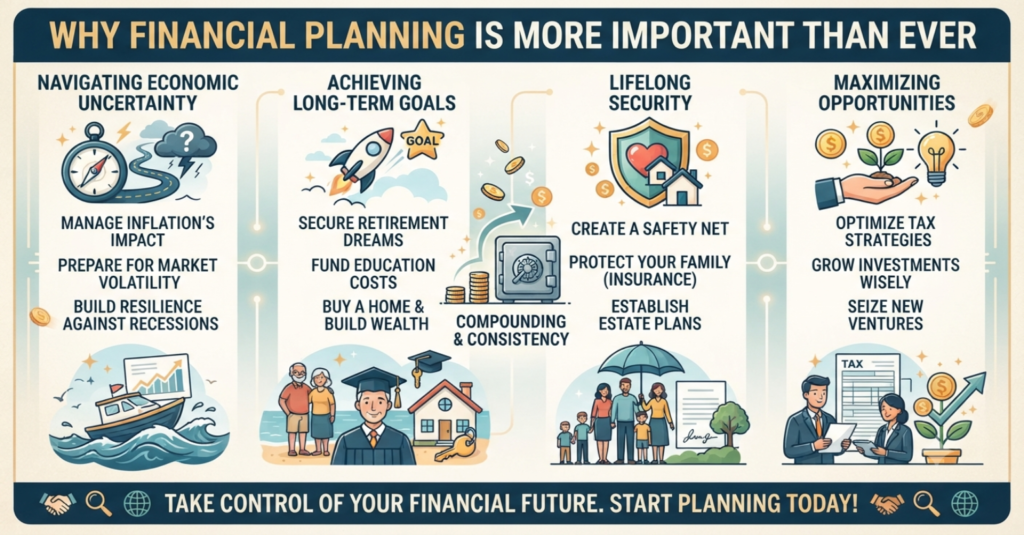
Financial planning has always been valuable. However, in today’s economy, it has become even more important. Rising living costs, market volatility, changing interest rates, and economic uncertainty have made it essential for individuals and families to take greater control of their finances.
Fortunately, financial planning isn’t only for wealthy investors or financial experts. Instead, it’s a practical process that helps anyone manage money more effectively. Whether you’re paying off debt, building savings, buying a home, or preparing for retirement, a solid financial plan can help you make better decisions.
Moreover, financial planning gives you direction. Rather than reacting to every unexpected expense or market headline, you can focus on long-term goals while adjusting your strategy as your circumstances change. Consequently, you’re more likely to stay on track even during challenging economic conditions.
The good news is that you don’t need a perfect financial situation to begin. Small, consistent improvements can strengthen your financial future over time.
How to Create a Simple Investment Plan
Let’s explore why financial planning matters now more than ever.
1. It Gives You Control Over Your Money
Without a financial plan, it’s easy to spend money without a clear purpose.
Therefore, creating a budget is one of the first steps toward financial stability.
A monthly budget helps you:
- Track your income
- Monitor spending
- Reduce unnecessary expenses
- Increase savings
- Prepare for future goals
Furthermore, understanding where your money goes allows you to make smarter financial decisions every month.
2. It Helps You Prepare for Unexpected Expenses
Financial emergencies can happen at any time.
Medical bills, vehicle repairs, home maintenance, or temporary income loss can quickly affect your budget.
Consequently, building an emergency fund should be a key part of every financial plan.
Emergency savings may help cover:
- Medical emergencies
- Car repairs
- Home repairs
- Unexpected travel
- Temporary job loss
As a result, you’re less likely to rely on high-interest debt during difficult situations.
3. It Supports Long-Term Financial Goals
Financial planning isn’t only about today’s expenses.
Instead, it helps you prepare for tomorrow.
Common long-term goals include:
- Buying a home
- Saving for retirement
- Paying for education
- Building investments
- Becoming debt-free
Moreover, setting clear goals helps you stay motivated while measuring your financial progress.
4. It Encourages Better Saving Habits
Many people save only when money is left over.
However, paying yourself first often leads to more consistent results.
Consider saving regularly for:
- Retirement
- Emergency expenses
- Major purchases
- Homeownership
- Future investments
Furthermore, automatic transfers can make saving easier while reducing the temptation to spend.
5. It Helps You Manage Debt Wisely
Not all debt is harmful.
Nevertheless, high-interest debt can slow your financial progress.
A good financial plan helps you:
- Prioritize expensive debt
- Make consistent payments
- Avoid unnecessary borrowing
- Reduce interest costs
- Improve monthly cash flow
Consequently, you’ll have more money available for saving and investing.
6. It Makes Investing Less Stressful
Many people hesitate to invest because financial markets seem unpredictable.
However, a well-designed financial plan provides a long-term strategy.
Instead of reacting to daily market headlines, focus on:
- Consistent investing
- Diversification
- Long-term goals
- Risk management
- Regular portfolio reviews
As a result, investing becomes more disciplined and less emotional.
7. It Helps You Adjust to Economic Changes
Economic conditions continue to change.
Inflation, interest rates, employment trends, and housing costs all influence personal finances.
Therefore, reviewing your financial plan regularly helps you respond thoughtfully rather than emotionally.
Moreover, small adjustments made early can prevent larger financial problems later.
8. It Reduces Financial Stress
Money is one of the most common sources of stress.
Fortunately, having a financial plan can increase confidence during uncertain times.
Knowing you have:
- A monthly budget
- Emergency savings
- Retirement contributions
- Debt repayment goals
- Investment plans
can make financial decisions feel more manageable.
Consequently, you’re better prepared to handle both expected and unexpected expenses.
9. It Helps Protect Your Family’s Future
Financial planning isn’t only about your personal goals.
It also helps protect the people who depend on you.
A well-rounded financial plan may include:
- Life insurance
- Health insurance
- Disability insurance
- Estate planning
- Beneficiary updates
Furthermore, reviewing these areas regularly can provide greater financial security for your loved ones if unexpected events occur.
10. It Helps You Prepare for Retirement
Retirement may seem far away.
However, the earlier you begin planning, the more time your savings have to grow.
Consider making retirement planning a regular part of your financial routine by:
- Contributing consistently.
- Increasing savings after raises.
- Reviewing retirement accounts annually.
- Keeping investment costs low.
- Diversifying your portfolio.
Consequently, you may be better prepared to maintain your desired lifestyle after leaving the workforce.
11. It Improves Financial Decision-Making
Major financial decisions become easier when you have a clear plan.
Before making a large purchase, ask yourself:
- Does this fit my budget?
- Will it delay my financial goals?
- Can I afford the ongoing costs?
- Is this the best use of my money?
Moreover, asking these questions encourages thoughtful spending instead of impulse buying.
12. It Builds Long-Term Financial Confidence
Financial planning isn’t about predicting the future perfectly.
Instead, it’s about preparing for different possibilities.
As your savings grow and your financial goals become more organized, you’ll likely feel more confident managing both opportunities and challenges.
Furthermore, confidence often leads to better financial habits, creating a positive cycle that supports long-term success.
Common Financial Planning Mistakes to Avoid
Even a good income cannot guarantee financial success if poor habits continue.
Fortunately, avoiding these common mistakes can strengthen your financial future.
Living Without a Budget
Without a budget, it’s difficult to understand where your money is going.
Therefore, track your income and expenses every month.
A simple budget often reveals opportunities to save more and spend more intentionally.
Ignoring Emergency Savings
Unexpected expenses can happen at any time.
Without emergency savings, many people rely on high-interest debt.
Instead, build an emergency fund gradually and contribute to it consistently.
Delaying Retirement Savings
Many people assume they have plenty of time to save for retirement.
However, starting early gives your investments more time to grow through compounding.
Even modest contributions made consistently can have a meaningful impact over the long term.
Forgetting to Review Your Plan
Your financial plan should evolve as your life changes.
Review it after major events such as:
- Marriage
- Changing jobs
- Buying a home
- Having children
- Receiving a promotion
Regular reviews help ensure your financial strategy continues supporting your goals.
Smart Financial Habits for Long-Term Success
Strong financial plans are built through consistent daily and monthly habits.
Consider making these practices part of your routine:
- Pay yourself first.
- Save automatically every payday.
- Track your spending.
- Review your budget monthly.
- Reduce high-interest debt.
- Invest consistently.
- Increase savings after raises.
- Build an emergency fund.
- Review your financial goals annually.
- Continue learning about personal finance.
Although each habit seems simple, together they can create lasting financial stability.
Frequently Asked Questions
Why is financial planning important?
Financial planning helps you manage income, control expenses, prepare for emergencies, reduce debt, save for retirement, and work toward long-term financial goals.
How often should I review my financial plan?
Review your financial plan at least once a year or after major life events such as changing jobs, getting married, buying a home, or welcoming a child.
Can I create a financial plan with a limited income?
Yes. Financial planning is valuable at every income level. Creating a budget, saving consistently, and managing debt responsibly are beneficial regardless of how much you earn.
Should financial planning include investing?
For many people, investing is an important part of a long-term financial plan. The right investment strategy depends on your goals, timeline, and risk tolerance.
What’s the biggest financial planning mistake?
One of the most common mistakes is living without a clear plan. Setting goals, tracking spending, and reviewing your finances regularly can help you avoid many financial challenges.
Final Thoughts
Financial planning has become more important than ever because today’s financial environment is constantly changing. Rising costs, economic uncertainty, and evolving financial goals make it essential to have a strategy that supports both your current needs and your future aspirations. Rather than reacting to every financial challenge, a thoughtful plan allows you to make informed decisions with greater confidence.
Moreover, financial planning isn’t about perfection or earning a high income. It’s about creating healthy habits, staying consistent, and adjusting your strategy as your life changes. Budgeting, saving, investing, and managing debt responsibly all work together to strengthen your long-term financial security.
Above all, remember that every positive financial decision matters. Whether you’re building your first emergency fund, paying off debt, or investing for retirement, each step brings you closer to greater financial stability. By starting today and reviewing your progress regularly, you can create a financial plan that supports your goals for many years to come.
Consumer Financial Protection Bureau – Managing Your Money