 MOHAMMAD ABUBAKR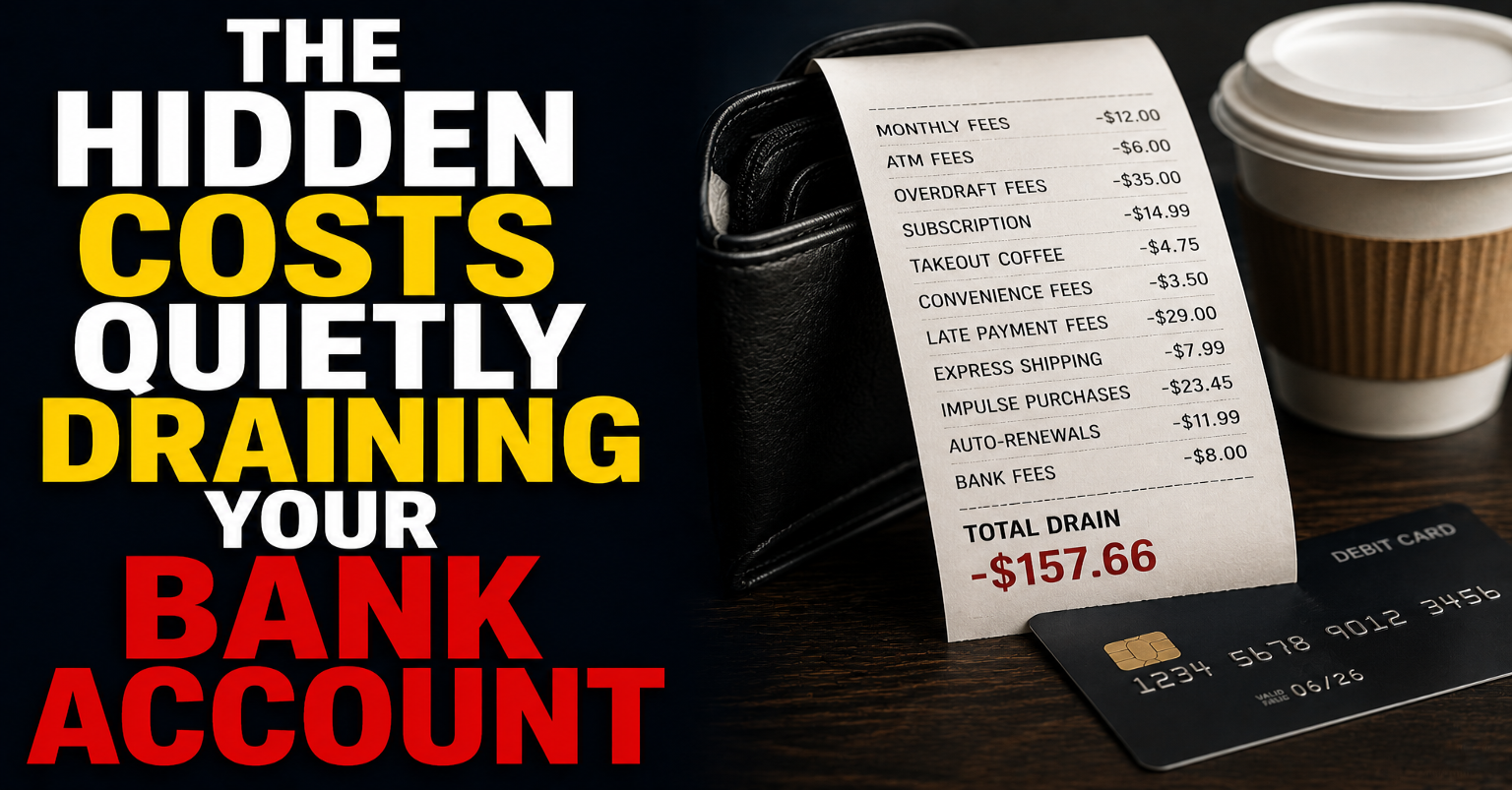
Many people carefully budget for rent, groceries, and utility bills. However, smaller expenses often go unnoticed. Although these costs may seem insignificant on their own, they can quietly reduce your savings over time. As a result, you may wonder why your bank balance isn’t growing as quickly as expected.
Fortunately, identifying these hidden costs doesn’t require major lifestyle changes. Instead, reviewing your spending habits and making a few adjustments can help you keep more of your hard-earned money. Consequently, even small savings can add up over months and years.
Moreover, hidden expenses affect households across every income level. Whether you’re saving for retirement, paying off debt, or building an emergency fund, reducing unnecessary spending can improve your financial flexibility.
Let’s explore some of the most common hidden costs that may be draining your bank account.
Financial Changes That Could Affect Every Household
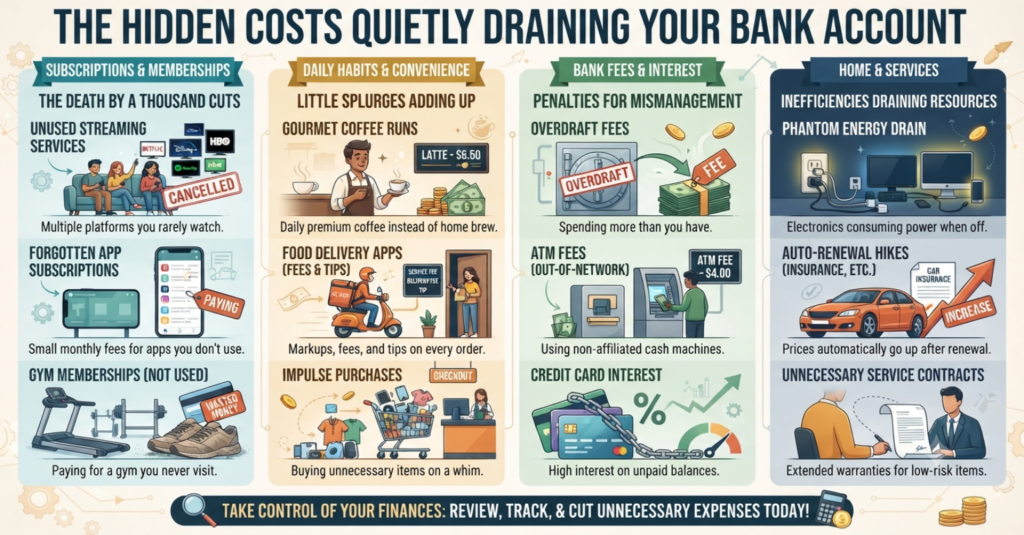
1. Unused Subscription Services
Monthly subscriptions are easy to forget.
Streaming platforms, fitness apps, cloud storage, music services, and software memberships can continue charging your account long after you stop using them.
Review your subscriptions regularly and ask yourself:
- Do I still use this service?
- Is it worth the monthly cost?
- Can I switch to a less expensive option?
Furthermore, canceling even a few unused subscriptions can free up money for more important financial goals.
2. Bank Fees You Rarely Notice
Many people overlook routine banking charges.
Common examples include:
- Monthly maintenance fees
- ATM fees
- Overdraft fees
- Foreign transaction fees
- Paper statement fees
Consequently, reviewing your account statements every month can help you identify unnecessary charges and explore lower-cost banking options.
3. Impulse Purchases
Small, unplanned purchases often seem harmless.
However, frequent spending on snacks, online deals, or convenience items can quietly reduce your monthly savings.
Instead of buying immediately, consider waiting 24 hours before making nonessential purchases.
This simple habit may reduce impulse spending over time.
4. Food Delivery and Takeout
Ordering food occasionally can be convenient.
Nevertheless, frequent delivery orders often include:
- Delivery fees
- Service charges
- Tips
- Higher menu prices
As a result, the total cost may be much higher than preparing meals at home.
Planning meals in advance can help reduce these expenses without eliminating convenience entirely.
5. High Utility Bills
Many households pay more than necessary for utilities.
Simple habits may help reduce costs, including:
- Turning off unused lights
- Using energy-efficient appliances
- Adjusting the thermostat
- Fixing water leaks
- Unplugging unused electronics
Moreover, reviewing your utility usage regularly can reveal opportunities to lower monthly bills.
6. Automatic Renewals
Automatic renewals make subscriptions convenient.
However, they also make it easy to continue paying for services you no longer need.
Therefore, review renewal notices carefully before charges are processed.
Canceling unnecessary renewals can immediately reduce monthly expenses.
7. Credit Card Interest
Carrying credit card balances from month to month can become expensive.
Interest charges increase the total cost of purchases over time.
Whenever possible:
- Pay your balance in full.
- Pay more than the minimum payment.
- Avoid unnecessary borrowing.
Consequently, you’ll reduce interest costs while improving your overall financial health.
8. Convenience Spending
Paying for convenience isn’t always a bad decision.
However, regularly purchasing bottled water, premium delivery options, parking upgrades, or convenience store items can noticeably increase monthly spending.
Although each purchase may seem small, repeated convenience spending often has a larger impact than many people realize.
9. Insurance Policies You Haven’t Reviewed
Insurance is essential.
However, paying for outdated coverage or duplicate policies can increase your monthly expenses.
Therefore, review your:
- Auto insurance
- Homeowners or renters insurance
- Life insurance
- Health insurance
Furthermore, comparing quotes periodically may help you find coverage that better matches your current needs.
10. Forgotten Memberships
Many people sign up for memberships with good intentions.
Nevertheless, gym memberships, warehouse clubs, loyalty programs, and premium online services may continue charging fees even if they’re rarely used.
Review your memberships every few months.
If a service no longer provides value, consider canceling it.
Consequently, you can redirect those savings toward more important financial goals.
11. Small Price Increases
Many companies gradually increase prices over time.
Although each increase may seem minor, multiple small increases across different services can noticeably affect your monthly budget.
Pay attention to recurring expenses such as:
- Internet service
- Mobile phone plans
- Streaming subscriptions
- Insurance premiums
- Software subscriptions
Moreover, reviewing these bills annually may reveal opportunities to negotiate or switch providers.
12. Ignoring Your Spending Habits
One of the biggest hidden costs isn’t a specific bill.
Instead, it’s failing to monitor where your money goes.
Without tracking your spending, it’s easy to overlook unnecessary purchases.
Therefore, review your bank and credit card statements each month.
Doing so can help you identify patterns and make informed financial decisions.
Common Spending Mistakes to Avoid
Small financial mistakes often become expensive over time.
Fortunately, recognizing them early can improve your long-term financial health.
Buying Without Comparing Prices
Shopping around takes only a few minutes.
However, failing to compare prices may lead to unnecessary spending.
Use price comparison tools whenever possible before making larger purchases.
Ignoring Recurring Charges
Automatic payments are convenient.
Nevertheless, they can also hide unnecessary expenses.
Review recurring charges regularly to ensure every subscription still provides value.
Paying Interest on Avoidable Debt
Credit card interest can significantly increase the cost of everyday purchases.
Whenever possible, pay your balance in full or more than the minimum payment.
Consequently, you’ll spend less on interest over time.
Living Without a Budget
Without a budget, hidden expenses are much harder to identify.
Instead, track your income and spending every month.
A clear budget makes it easier to find opportunities to save.
Smart Habits That Help You Keep More Money
Building wealth often starts by reducing unnecessary expenses.
Consider making these habits part of your routine:
- Review your subscriptions every few months.
- Track every recurring expense.
- Compare insurance rates annually.
- Plan meals before grocery shopping.
- Pay credit card balances on time.
- Create a realistic monthly budget.
- Build an emergency fund.
- Compare prices before major purchases.
- Check bank statements every month.
- Save automatically each payday.
Although these habits seem simple, together they can make a meaningful difference over the long term.
Frequently Asked Questions
What are hidden expenses?
Hidden expenses are costs that often go unnoticed because they’re small, recurring, or automatically deducted. Examples include subscription fees, bank charges, convenience purchases, and credit card interest.
Why do small expenses matter?
Individual purchases may seem insignificant. However, repeated over weeks and months, they can add up to hundreds or even thousands of dollars each year.
How often should I review my budget?
Review your budget at least once a month. Regular reviews help you identify unnecessary spending and adjust your financial plan as your circumstances change.
What’s the easiest way to reduce hidden costs?
Start by reviewing your recurring monthly expenses. Cancel unused subscriptions, compare service providers, and monitor your spending habits to identify areas where you can save.
Can reducing small expenses improve financial security?
Yes. Saving money on everyday expenses can increase emergency savings, reduce debt, support investing, or help you reach other long-term financial goals.
Final Thoughts
Hidden costs often have a greater impact than people realize. While major expenses usually receive the most attention, smaller recurring charges, convenience purchases, and overlooked fees can quietly reduce your savings month after month. Therefore, regularly reviewing your spending habits is one of the simplest ways to improve your financial health.
Moreover, reducing hidden expenses doesn’t mean giving up everything you enjoy. Instead, it’s about making intentional decisions and ensuring your money supports your priorities. Canceling unused subscriptions, comparing prices, limiting unnecessary fees, and monitoring recurring charges can all free up money for more meaningful financial goals.
Above all, remember that lasting financial progress is built through consistent habits. Even modest savings from everyday expenses can accumulate over time, helping you strengthen your emergency fund, reduce debt, invest for the future, or simply enjoy greater financial flexibility. By staying aware of where your money goes, you’ll be in a stronger position to protect your bank account and build long-term financial security.
Consumer Financial Protection Bureau – Budgeting and Saving