 MOHAMMAD ABUBAKR
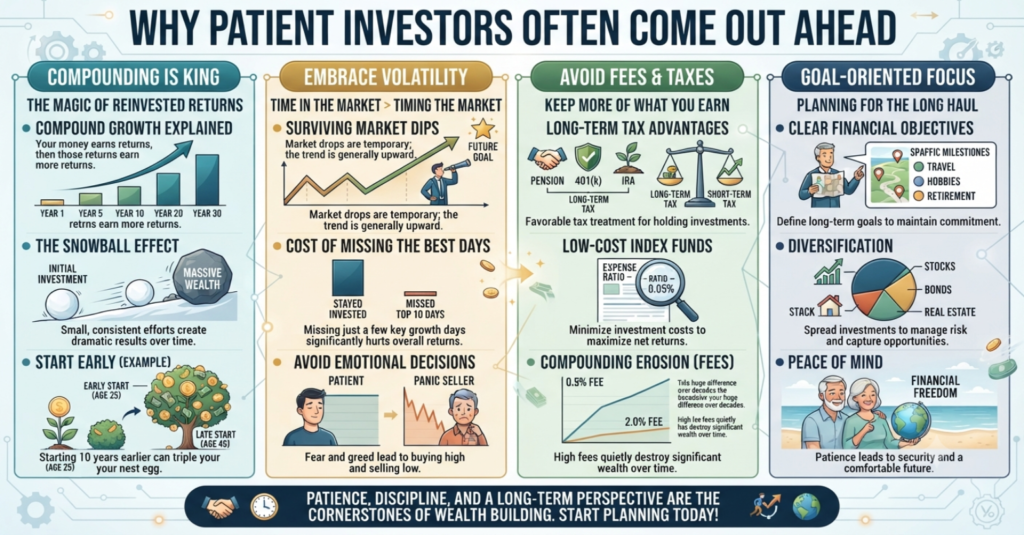
Investing can feel unpredictable, especially when markets experience short-term ups and downs. Because of this uncertainty, many people are tempted to react quickly to every headline or market movement. However, history has shown that patient investors often achieve stronger long-term results by remaining focused on their goals rather than short-term fluctuations. Consequently, patience has become one of the most valuable investing habits.
Fortunately, successful investing doesn’t require predicting every market move. Instead, it usually depends on consistency, discipline, and a long-term perspective. Moreover, investors who avoid emotional decisions often place themselves in a better position to benefit from long-term market growth.
Building wealth through investing takes time. Therefore, understanding why patience matters can help you stay committed during periods of market volatility. Rather than chasing quick gains, focusing on steady progress may provide greater confidence throughout your investing journey.
Whether you’re new to investing or already building a portfolio, these principles explain why patient investors frequently come out ahead.
How to Invest Without Watching the Market Every Day
1. Long-Term Investing Reduces Emotional Decisions
Short-term market movements can create uncertainty.
However, reacting emotionally to every market swing may lead to unnecessary investment decisions.
Instead, patient investors focus on their long-term financial goals.
Consequently, they are less likely to make impulsive decisions during periods of market volatility.
2. Consistency Matters More Than Perfect Timing
Many people spend years waiting for the perfect time to invest.
However, consistently investing over time is often more effective than trying to predict market highs and lows.
Regular investing can help you:
- Build wealth gradually
- Stay disciplined
- Develop long-term habits
- Reduce emotional investing
Furthermore, consistency becomes easier when investing is part of your regular financial routine.
3. Market Volatility Is a Normal Part of Investing
Every market experiences periods of growth and decline.
Although temporary declines may feel uncomfortable, they are a normal part of long-term investing.
Therefore, understanding market volatility may help investors remain focused on their long-term objectives instead of reacting to short-term changes.
4. Compounding Rewards Patience
Investment growth has the opportunity to build upon previous growth over time.
As earnings remain invested, they may generate additional growth in the future.
Consequently, giving investments more time may strengthen long-term results.
The longer your investment horizon, the greater the potential impact of compounding.
5. Diversification Supports Long-Term Stability
Experienced investors often avoid relying on a single investment.
Instead, they diversify
6. Staying Invested May Help Capture Long-Term Growth
Some investors try to move in and out of the market based on short-term predictions.
However, missing periods of market growth can affect long-term results.
Therefore, many patient investors choose to remain invested while continuing to focus on their financial goals.
Moreover, maintaining a long-term perspective often reduces the temptation to react to daily market news.
7. Regular Portfolio Reviews Keep You on Track
Patient investing doesn’t mean ignoring your investments completely.
Instead, successful investors review their portfolios periodically to ensure they still align with their goals, risk tolerance, and time horizon.
These reviews may include:
- Checking asset allocation
- Reviewing diversification
- Evaluating investment performance
- Updating financial goals
Consequently, small adjustments can help keep your long-term strategy on course.
8. Patience Encourages Better Financial Habits
Long-term investors often develop habits that support lasting financial success.
These habits may include:
- Investing consistently
- Saving regularly
- Avoiding emotional decisions
- Following a financial plan
- Continuing to learn about investing
Furthermore, these habits can strengthen financial discipline while reducing unnecessary stress.
9. Clear Goals Make It Easier to Stay Patient
Investing without a purpose can make short-term market movements feel more important than they really are.
However, when you have specific financial goals, it’s easier to remain focused during periods of uncertainty.
Common long-term goals include:
- Retirement
- Financial independence
- Education savings
- Buying a home
- Building generational wealth
As a result, clear objectives often encourage better long-term decision-making.
Common Investing Mistakes to Avoid
Even experienced investors can make mistakes.
Fortunately, avoiding these common behaviors can improve your long-term investing experience.
Trying to Time the Market
Predicting short-term market movements consistently is extremely difficult.
Instead of waiting for the “perfect” moment, many investors focus on investing consistently over time.
Letting Emotions Drive Decisions
Fear and excitement can influence investment choices.
Therefore, making decisions based on a long-term plan instead of daily headlines often leads to greater discipline.
Ignoring Diversification
Putting too much money into a single investment increases risk.
Diversifying your portfolio can help reduce the impact of poor performance from any one investment.
Forgetting to Review Your Plan
Although patience is valuable, your financial plan should still be reviewed regularly.
Life changes, income changes, and shifting goals may require adjustments over time.
Smart Investing Habits for Long-Term Success
Although every investor has different goals, these habits can support long-term financial growth:
- Invest consistently.
- Stay focused on long-term objectives.
- Diversify your investments.
- Review your portfolio annually.
- Reinvest earnings when appropriate.
- Build an emergency fund.
- Continue learning about investing.
- Avoid emotional decisions.
- Increase investments as your income grows.
- Follow a written financial plan.
While no investment strategy guarantees positive returns, these habits can help create a disciplined and thoughtful approach.
Frequently Asked Questions
Why do patient investors often perform better?
Patient investors are generally less likely to make emotional decisions based on short-term market movements. Instead, they focus on long-term goals and maintain consistent investing habits.
Is it better to invest regularly or wait for the perfect time?
Many long-term investors prefer investing consistently rather than attempting to predict short-term market highs and lows.
Why is diversification important?
Diversification spreads investments across different asset types, which can help reduce overall portfolio risk.
How often should I review my investments?
Reviewing your portfolio at least once a year—and after major life changes—can help ensure your investments remain aligned with your financial goals.
Does patient investing guarantee success?
No investment strategy can guarantee future returns. However, patience, consistency, diversification, and disciplined decision-making have historically been important characteristics of many successful long-term investors.
Final Thoughts
Patient investing isn’t about ignoring the market or hoping for quick results. Instead, it’s about following a thoughtful long-term strategy, investing consistently, and avoiding emotional decisions during periods of market uncertainty. Consequently, investors who stay focused on their financial goals are often better positioned to benefit from long-term market growth.
Moreover, successful investing doesn’t require predicting every market movement. Rather, it depends on maintaining discipline, reviewing your financial plan regularly, and making decisions that align with your personal goals and risk tolerance. Small, consistent actions often have a greater impact than trying to chase short-term opportunities.
Above all, remember that building wealth through investing is usually a marathon rather than a sprint. By remaining patient, diversifying your portfolio, continuing to learn, and staying committed to your long-term strategy, you can develop habits that support greater financial confidence and long-term success.
U.S. Securities and Exchange Commission – Investing for the Long Term