 MOHAMMAD ABUBAKR
Introduction
Inflation affects almost every household budget.
As the prices of groceries, housing, transportation, and everyday necessities rise, it becomes more difficult to make your income go as far as it once did.
Although inflation is beyond your control, the way you respond to it is not.
Small financial adjustments can help reduce unnecessary spending and strengthen your long-term financial stability.
In this guide, you’ll learn smart ways to save money during inflation without making drastic lifestyle changes.
Why Inflation Affects Your Budget
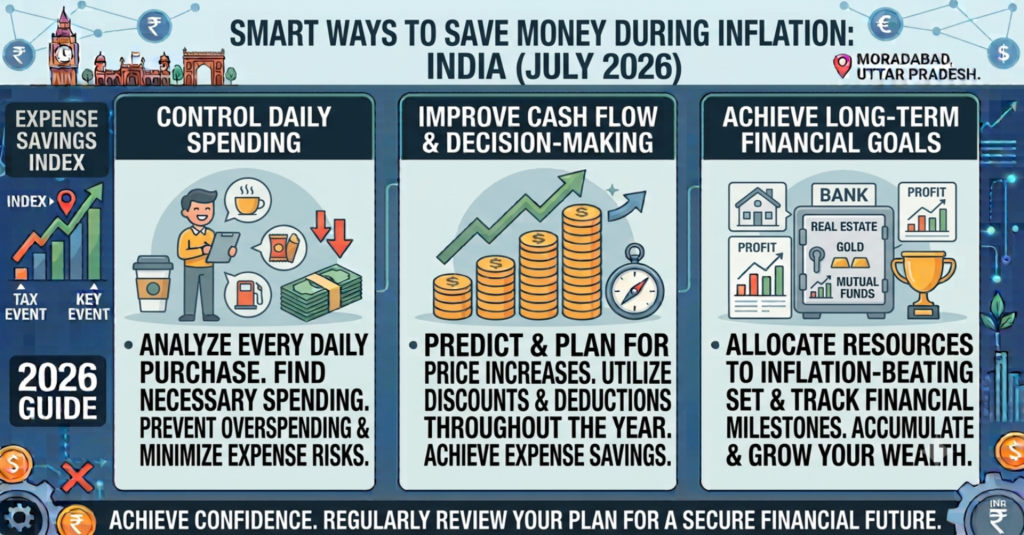
Inflation reduces your purchasing power.
In simple terms, the same amount of money buys fewer goods and services than it did before.
As prices increase, families often notice higher costs for:
- Groceries.
- Gasoline.
- Utilities.
- Insurance.
- Housing.
- Everyday essentials.
Understanding how inflation affects your spending is the first step toward managing it effectively.
1. Create a Realistic Monthly Budget
A budget helps you understand exactly where your money goes.
Review your monthly income and organize your spending into categories such as:
- Housing.
- Food.
- Transportation.
- Utilities.
- Savings.
- Entertainment.
Updating your budget regularly allows you to adjust as prices change.
2. Prioritize Essential Expenses
When prices rise, focus on needs before wants.
Essential expenses usually include:
- Housing.
- Utilities.
- Groceries.
- Insurance.
- Healthcare.
- Transportation.
Prioritizing necessities helps prevent overspending on non-essential purchases.
3. Review Recurring Monthly Expenses
Many people continue paying for services they rarely use.
Review recurring expenses such as:
- Streaming subscriptions.
- Mobile apps.
- Gym memberships.
- Software subscriptions.
- Premium memberships.
Canceling or downgrading unused services can free up money for more important needs.
4. Plan Your Grocery Shopping
Food prices often rise during periods of inflation.
Planning ahead can help reduce grocery costs.
Helpful strategies include:
- Shopping with a list.
- Comparing prices.
- Buying store brands.
- Purchasing seasonal produce.
- Avoiding impulse purchases.
Small savings on each shopping trip can add up over time.
5. Build an Emergency Fund
Inflation can make unexpected expenses even more difficult to handle.
An emergency fund provides financial flexibility when facing:
- Car repairs.
- Medical bills.
- Home maintenance.
- Temporary income loss.
Saving consistently—even in small amounts—helps improve financial security
A strong emergency fund becomes even more valuable during periods of rising prices. Read our How to Build an Emergency Fund Faster guide to learn practical strategies for building financial security..
6. Avoid Unnecessary Debt
High-interest debt becomes even more expensive when household budgets are already under pressure.
Before making new purchases, ask yourself:
- Is this necessary?
- Can it wait?
- Does it fit my budget?
Reducing unnecessary borrowing helps protect your long-term financial health.
Small Changes Can Make a Big Difference
Inflation affects everyone differently.
However, small financial improvements made consistently can help reduce its impact on your budget.
7. Compare Prices Before You Buy
Prices can vary significantly between retailers.
Before making a purchase, take a few minutes to compare prices online or in local stores.
You may also save money by:
- Looking for discounts.
- Using coupons.
- Taking advantage of cashback offers.
- Buying during seasonal sales.
A small amount of research can lead to noticeable savings over time.
8. Reduce Energy and Utility Costs
Utility bills often increase during periods of inflation.
Simple habits can help lower monthly expenses, such as:
- Turning off lights when not in use.
- Using energy-efficient appliances.
- Adjusting your thermostat.
- Fixing water leaks.
- Unplugging unused electronics.
These small changes can reduce your household expenses throughout the year.
9. Continue Saving and Investing
It may be tempting to stop saving when prices rise.
However, continuing to save—even if it’s a smaller amount—helps you stay focused on your long-term financial goals.
Consistent saving and investing can help you:
- Build an emergency fund.
- Prepare for retirement.
- Grow long-term wealth.
- Increase financial confidence.
Progress matters more than perfection.
10. Review Your Financial Goals Regularly
Inflation may change your priorities.
Review your financial goals every few months to ensure they still reflect your current situation.
Ask yourself:
- Am I staying within my budget?
- Have my expenses increased?
- Can I increase my savings?
- Do I need to adjust my spending?
Regular reviews help you make informed financial decisions.
Common Money Mistakes During Inflation
Many people unintentionally make financial decisions that increase pressure on their budget.
Avoid these common mistakes:
- Ignoring small daily expenses.
- Using credit cards for unnecessary purchases.
- Shopping without a plan.
- Forgetting to review subscriptions.
- Stopping savings completely.
- Not adjusting your budget as prices change.
Avoiding these habits can help you stay financially resilient.
The Consumer Financial Protection Bureau (CFPB) provides practical budgeting tools, savings guidance, and financial education to help households manage rising costs and make informed money decisions during periods of inflation.
Frequently Asked Questions
How can I save money during inflation?
Start by creating a realistic budget, reducing unnecessary spending, reviewing recurring expenses, and saving consistently whenever possible.
Small improvements can have a significant impact over time.
Should I stop investing during inflation?
Not necessarily.
Many long-term investors continue investing during periods of inflation while adjusting their budgets to match changing financial conditions.
Your investment decisions should reflect your personal goals and risk tolerance.
Why is budgeting more important during inflation?
A budget helps you monitor rising costs, prioritize essential expenses, and identify areas where you can reduce spending.
Is it still possible to build savings during inflation?
Yes.
Even modest, regular contributions can help build financial security over time.
Consistency often matters more than the amount you save.
Final Thoughts
Inflation can make everyday life more expensive, but it doesn’t have to derail your financial goals.
By creating a budget, reducing unnecessary expenses, comparing prices, and continuing to save, you can better manage rising costs.
The most effective strategy is to stay flexible.
Review your finances regularly, make thoughtful adjustments, and focus on long-term financial habits rather than short-term challenges.
Small actions taken today can make a meaningful difference in your financial future.