 MOHAMMAD ABUBAKR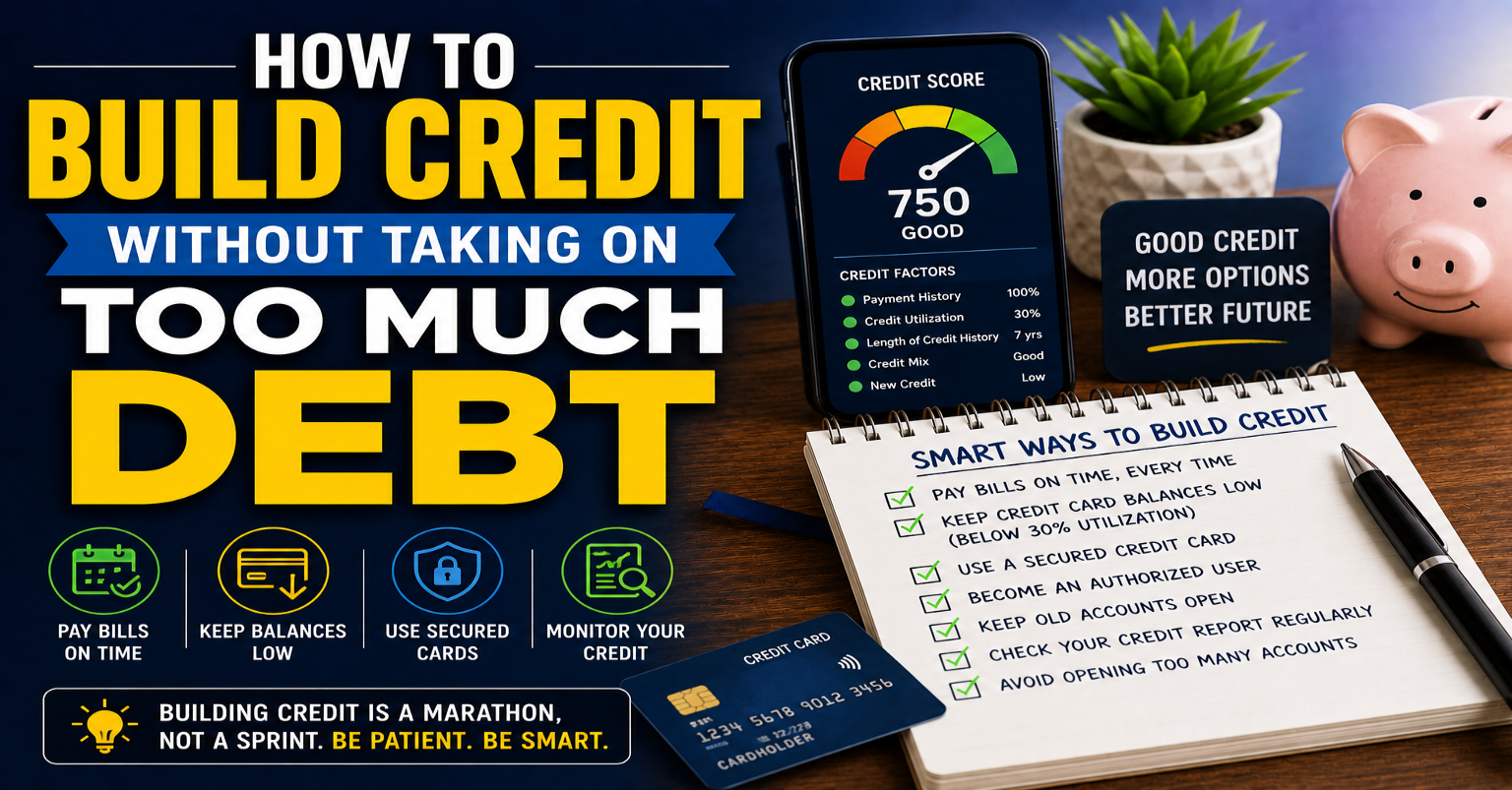
Introduction
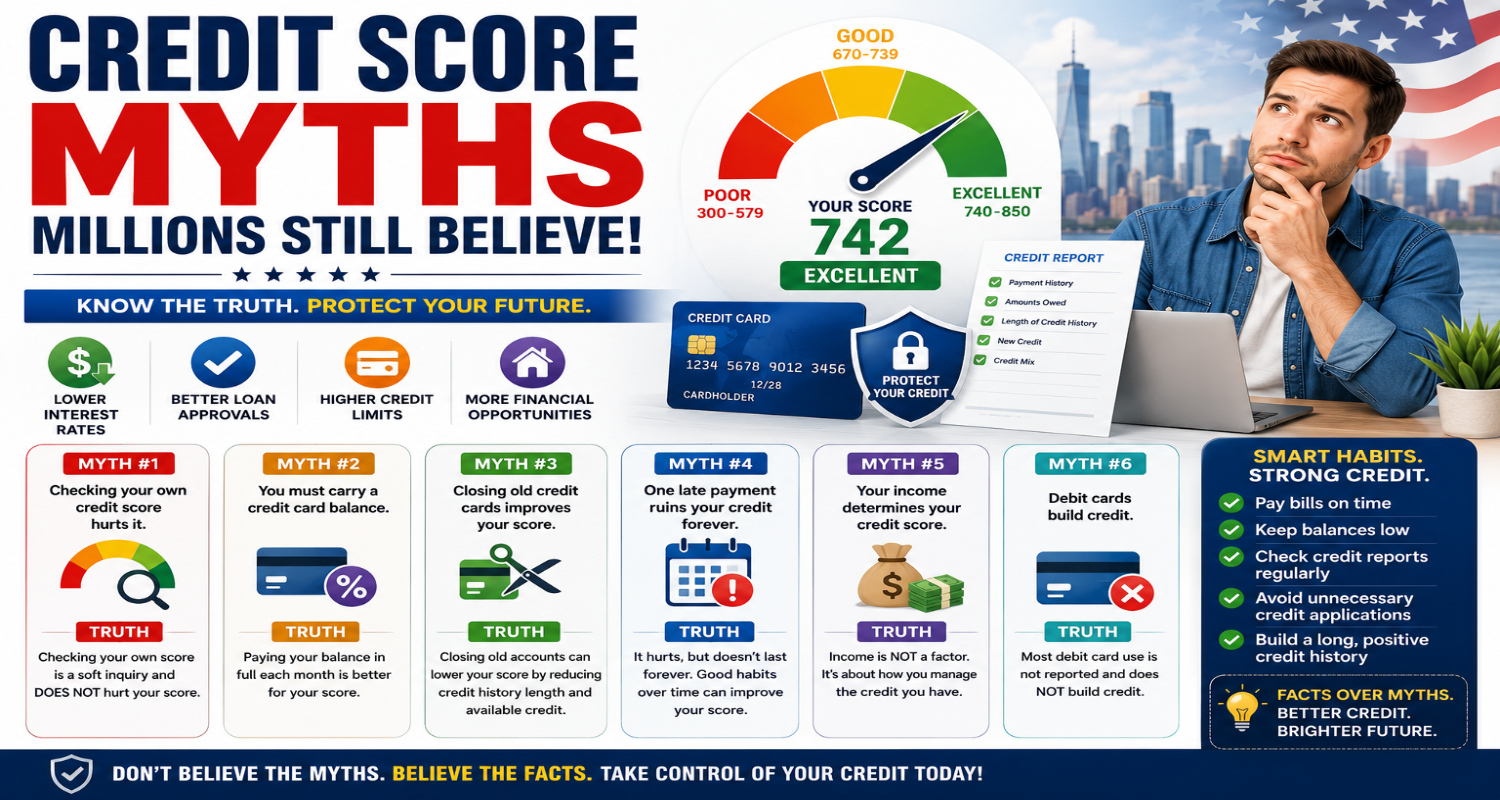
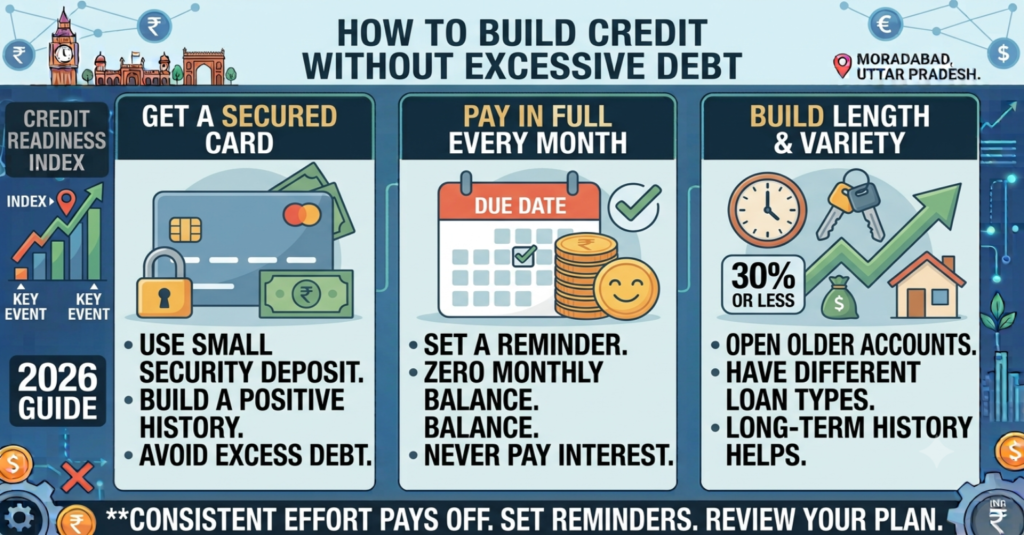
Building good credit does not require carrying large amounts of debt.
In fact, one of the best ways to improve your credit profile is by using credit responsibly while borrowing only what you can comfortably repay.
Many people mistakenly believe they need to keep a balance on their credit cards to build credit.
Fortunately, that’s a myth.
With consistent financial habits, you can establish a positive credit history without taking on unnecessary debt.
In this guide, you’ll learn practical ways to build credit while keeping your finances under control.
Why Good Credit Matters
A strong credit history may help you qualify for:
- Better loan options.
- Lower interest rates.
- Apartment rentals.
- Utility services.
- Certain employment opportunities.
Building good credit is about demonstrating responsible financial behavior over time.
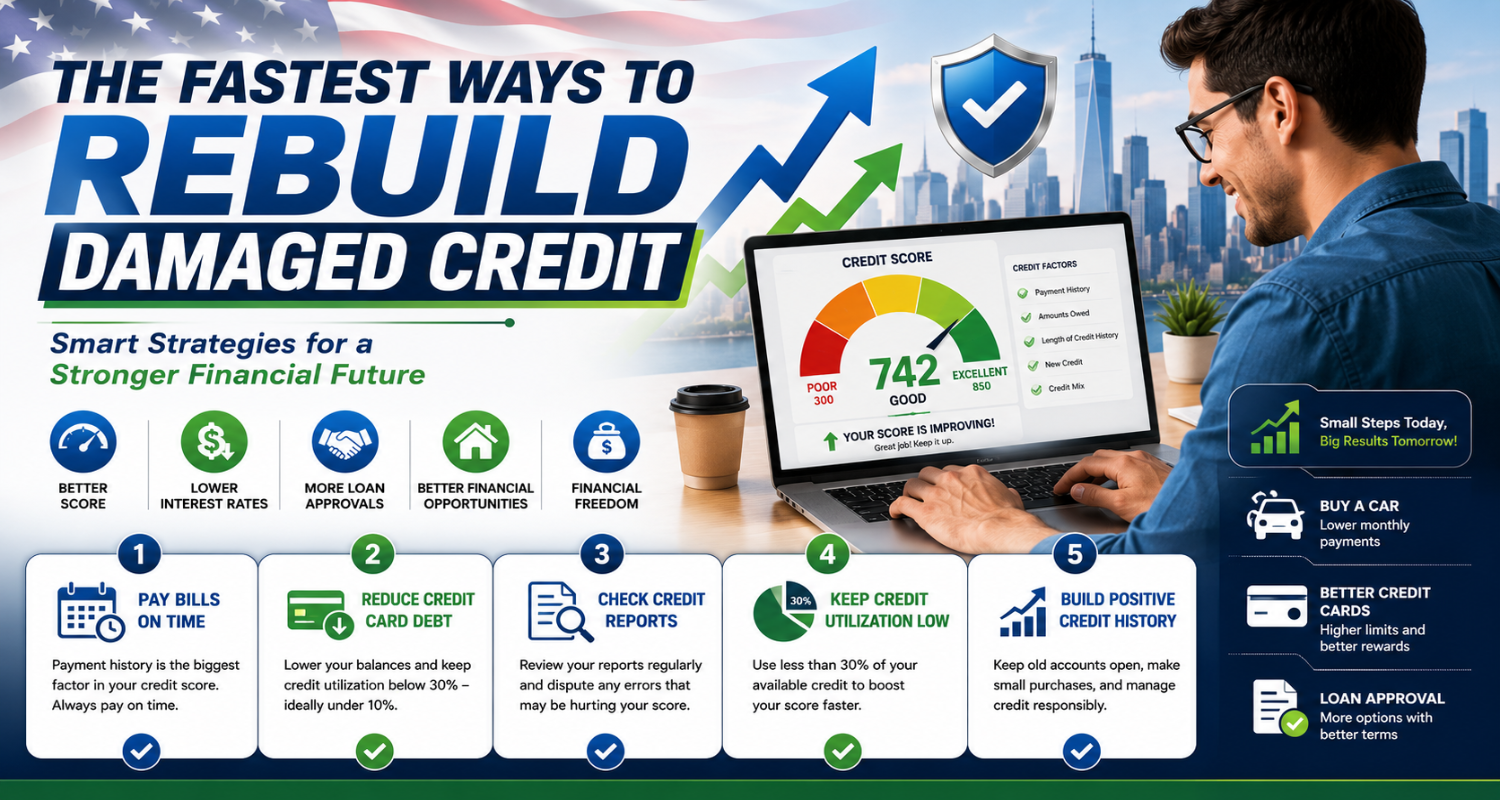
1. Always Pay Your Bills on Time
Payment history is one of the most important parts of building credit.
Making every payment by its due date demonstrates reliability.
Helpful strategies include:
- Setting automatic payments.
- Using payment reminders.
- Scheduling payments in advance.
Consistency is more important than making large purchases.
2. Keep Your Credit Card Balances Low
Using only a small portion of your available credit may help you maintain a healthier credit profile.
Instead of charging everything to your card, consider using it only for planned purchases that fit your budget.
Keeping balances low also makes it easier to pay the full statement balance each month.
Keeping your balance low becomes much easier when you avoid unnecessary interest charges. Read our How to Use Credit Cards Without Paying Interest guide to learn practical strategies for responsible credit card use.
3. Only Borrow What You Can Repay
A credit card should never become a substitute for income.
Before making a purchase, ask yourself:
- Can I pay this off when the bill arrives?
- Is this purchase necessary?
- Does it fit within my budget?
Borrowing responsibly helps prevent unnecessary debt.
4. Avoid Applying for Too Many Credit Accounts
Opening several new credit accounts within a short period may affect your credit profile.
Instead, apply for new credit only when you genuinely need it.
A thoughtful approach demonstrates responsible credit management.
5. Monitor Your Credit Reports
Reviewing your credit reports regularly allows you to:
- Verify account information.
- Spot reporting errors.
- Detect possible identity theft.
- Track your progress.
Monitoring your credit helps you stay informed about your financial profile.
6. Follow a Realistic Budget
A budget supports responsible credit use.
Knowing how much money comes in and goes out each month makes it easier to:
- Pay bills on time.
- Avoid overspending.
- Build savings.
- Reduce financial stress.
Strong budgeting habits contribute to long-term financial success.
Responsible Credit Is Built Over Time
Building good credit is a gradual process.
Consistent financial habits usually produce better long-term results than trying to improve your credit quickly.
7. Build a Long Credit History
The length of your credit history can play a role in your overall credit profile.
Keeping older credit accounts open and in good standing may strengthen your credit history over time.
If an account no longer fits your needs, consider reviewing the potential impact before closing it.
A longer record of responsible credit use can be beneficial.
8. Limit Unnecessary Debt
Building credit does not require borrowing large amounts of money.
Instead:
- Use credit only when needed.
- Avoid unnecessary purchases.
- Pay your balance in full whenever possible.
- Keep debt manageable.
Responsible borrowing is more important than frequent borrowing.
9. Build Healthy Financial Habits
Strong credit often reflects strong financial habits.
Helpful habits include:
- Paying bills on time.
- Tracking monthly spending.
- Maintaining an emergency fund.
- Reviewing financial goals regularly.
- Avoiding impulse purchases.
These habits support both your credit profile and your overall financial well-being.
10. Be Patient and Stay Consistent
Building good credit takes time.
There are no guaranteed shortcuts.
The most effective strategy is to consistently:
- Make payments on time.
- Keep balances low.
- Monitor your credit.
- Use credit responsibly.
Small, positive financial decisions made consistently can lead to long-term success.
Common Credit-Building Mistakes
Many people unintentionally make mistakes that slow their credit progress.
Avoid these common habits:
- Missing payment due dates.
- Carrying high credit card balances.
- Applying for multiple credit accounts at once.
- Ignoring monthly statements.
- Spending beyond your budget.
- Assuming debt is required to build good credit.
Avoiding these mistakes helps create a stronger financial foundation.
The Consumer Financial Protection Bureau (CFPB) provides reliable guidance on building credit, understanding credit reports, managing debt, and using credit responsibly. These educational resources can help you strengthen your credit while avoiding unnecessary debt.
Frequently Asked Questions
Can I build credit without carrying credit card debt?
Yes.
Many people build strong credit by making on-time payments and paying their statement balance in full each month.
Carrying a balance is not required to build good credit.
How long does it take to build good credit?
Everyone’s situation is different.
Building a positive credit history generally takes time and depends on factors such as payment history, responsible credit use, and the age of your credit accounts.
Should I use my credit card every month?
Many people use their credit cards for planned purchases they can afford to repay.
Responsible use and on-time payments are more important than making large purchases.
What is the most important factor in building credit?
Payment history is widely considered one of the most important factors.
Making payments on time consistently supports a healthier credit profile.
Final Thoughts
Building good credit does not require taking on unnecessary debt.
Instead, focus on responsible financial habits.
Pay your bills on time.
Keep credit card balances low.
Follow a realistic budget.
Monitor your credit regularly.
Over time, these simple habits can help you establish a strong credit history while protecting your overall financial health.