 MOHAMMAD ABUBAKR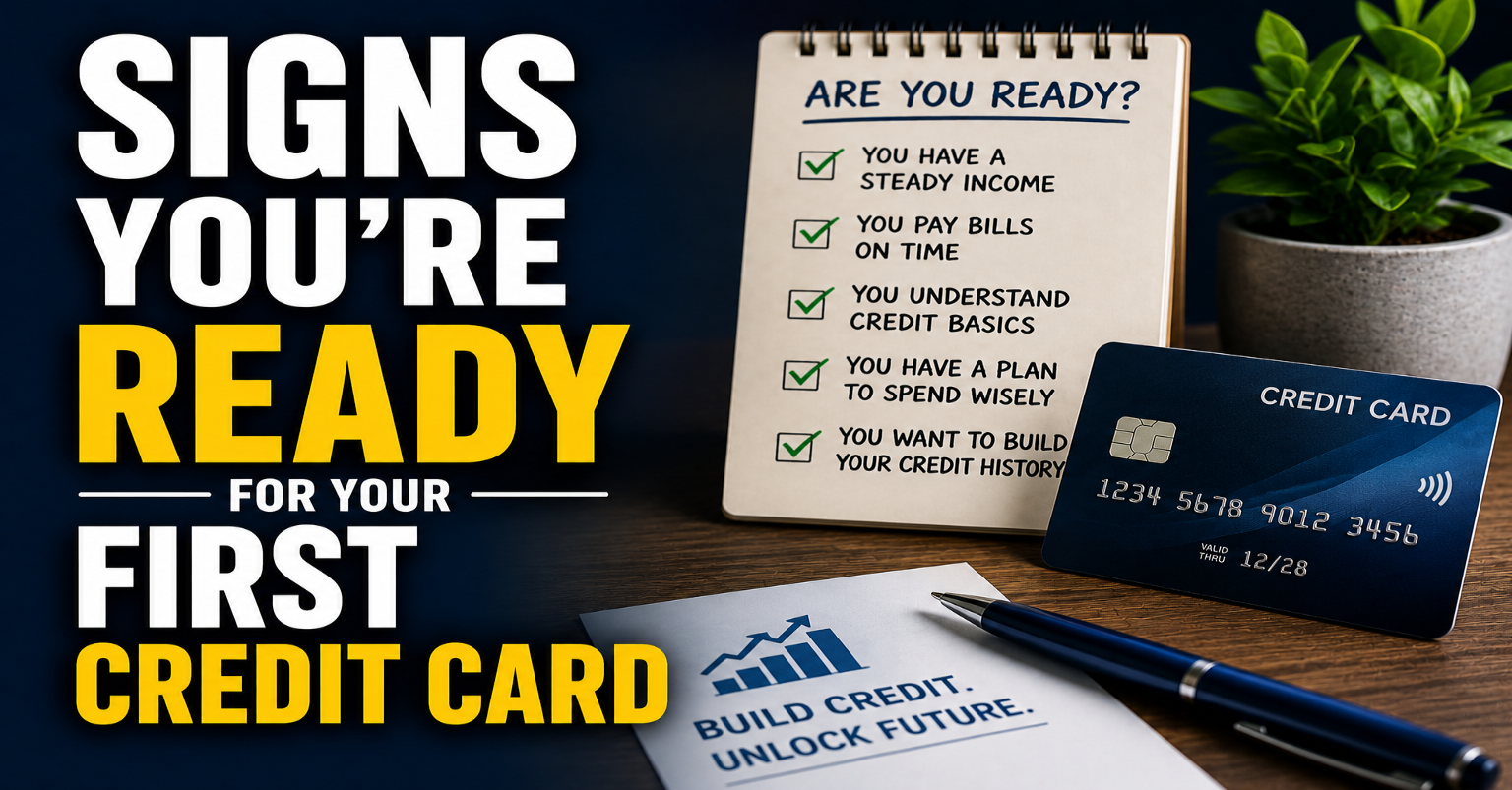
Introduction
Getting your first credit card is an important financial milestone.
Used responsibly, a credit card can help you build a positive credit history, improve your credit score over time, and prepare for future financial goals.
However, applying before you’re financially ready can lead to unnecessary debt and missed payments.
The key is knowing when the time is right.
In this guide, you’ll learn the signs you’re ready for your first credit card and how to use it responsibly from the beginning.
Why Timing Matters
A credit card is a financial tool—not free money.
When used wisely, it can help you:
- Build credit history.
- Establish good financial habits.
- Improve your credit profile.
- Prepare for future borrowing needs.
Waiting until you’re financially prepared increases your chances of using credit responsibly.
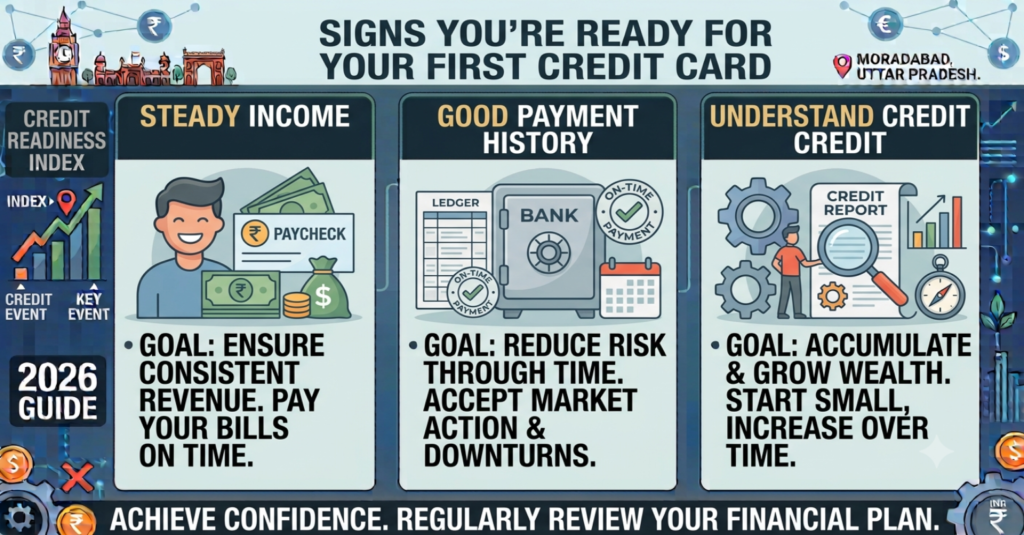
1. You Have a Reliable Source of Income
Before applying for a credit card, it’s helpful to have a steady way to pay your monthly bill.
Your income may come from:
- Full-time employment.
- Part-time work.
- Freelance income.
- Self-employment.
- Other reliable sources.
The important thing is knowing you can comfortably repay what you charge.
2. You Already Follow a Budget
People who track their spending often have an easier time managing credit cards.
A budget helps you:
- Know your monthly income.
- Monitor expenses.
- Avoid overspending.
- Plan future purchases.
Understanding your cash flow reduces the likelihood of carrying unnecessary debt.
3. You Can Pay the Full Balance Each Month
One of the strongest signs you’re ready is having the ability to pay your statement balance in full.
Doing so may help you:
- Avoid interest charges.
- Maintain healthy financial habits.
- Keep debt under control.
Using a credit card responsibly is more important than using it frequently.
One of the best ways to use your first credit card responsibly is by paying your balance in full. Read our How to Use Credit Cards Without Paying Interest guide to learn practical strategies for avoiding unnecessary interest charges.
4. You Understand How Credit Cards Work
Before applying, make sure you understand important concepts such as:
- Billing cycles.
- Payment due dates.
- Credit limits.
- Interest charges.
- Minimum payments.
Knowing how these features work helps you avoid common beginner mistakes.
5. You Don’t Depend on Credit for Everyday Living
A credit card should support your financial plan—not replace your income.
If you need a credit card simply to cover everyday living expenses, it may be worth reviewing your budget first.
Responsible credit use starts with spending only what you can afford to repay.
6. You Want to Build a Positive Credit History
A positive credit history can become valuable over time.
Good credit may help when applying for:
- Auto loans.
- Apartment rentals.
- Mortgages.
- Certain employment opportunities.
- Additional financial products.
Building good habits early can benefit your financial future.
Responsible Credit Starts With Good Habits
Getting your first credit card isn’t about spending more.
It’s about learning to manage credit wisely while building a strong financial foundation.
7. You’re Comfortable Using Credit Responsibly
A credit card should be used as a payment tool, not as extra income.
Before applying, ask yourself:
- Can I avoid impulse purchases?
- Will I pay my bill on time?
- Can I stay within my budget?
- Will I avoid carrying unnecessary debt?
If your answer is “yes” to these questions, you may be ready for your first credit card.
8. You Know How Credit Scores Are Built
Understanding the factors that influence your credit score can help you make smarter financial decisions.
Important factors include:
- Payment history.
- Credit utilization.
- Length of credit history.
- Types of credit accounts.
- New credit applications.
Learning these basics before applying helps you develop healthy credit habits from day one.
9. You’re Prepared to Monitor Your Account
Responsible credit card use doesn’t stop after making a purchase.
Review your account regularly to:
- Verify transactions.
- Catch unauthorized charges.
- Track your spending.
- Stay within your credit limit.
- Avoid missing payment deadlines.
Regular account monitoring supports better financial management.
10. You Have Long-Term Financial Goals
A credit card can be a useful financial tool when it supports larger goals.
For example, building good credit today may help you qualify for:
- Better loan terms.
- Lower interest rates.
- Apartment rentals.
- Future home financing.
Using credit responsibly now can create more financial opportunities later.
Common First Credit Card Mistakes
Many first-time cardholders make avoidable mistakes.
Watch out for these common habits:
- Spending more than you can repay.
- Missing payment due dates.
- Paying only the minimum payment every month.
- Maxing out your credit limit.
- Applying for several credit cards at once.
- Ignoring monthly statements.
Avoiding these mistakes helps build a stronger credit history.
The Consumer Financial Protection Bureau (CFPB) provides trustworthy information about choosing a credit card, understanding credit reports, managing debt, and using credit responsibly. Reviewing these resources can help first-time cardholders make informed financial decisions.
Frequently Asked Questions
When should I get my first credit card?
The best time is when you have a reliable source of income, understand how credit works, follow a budget, and can pay your balance in full each month.
Is it bad to get a credit card at a young age?
Not necessarily.
A credit card can help build a positive credit history when it is used responsibly and payments are made on time.
Should I pay my balance in full every month?
Paying your statement balance in full each month can help you avoid interest charges and develop strong financial habits.
How can I build good credit with my first credit card?
Use your card for purchases you can afford, pay on time, keep your balance low relative to your credit limit, and monitor your account regularly.
Final Thoughts
Your first credit card can be an excellent financial tool when used responsibly.
The goal isn’t to spend more—it’s to build a positive credit history while maintaining healthy money habits.
If you have a steady income, follow a budget, understand how credit works, and can pay your balance in full each month, you may be ready to take this important financial step.
Responsible credit use today can create valuable financial opportunities for years to come.