 MOHAMMAD ABUBAKR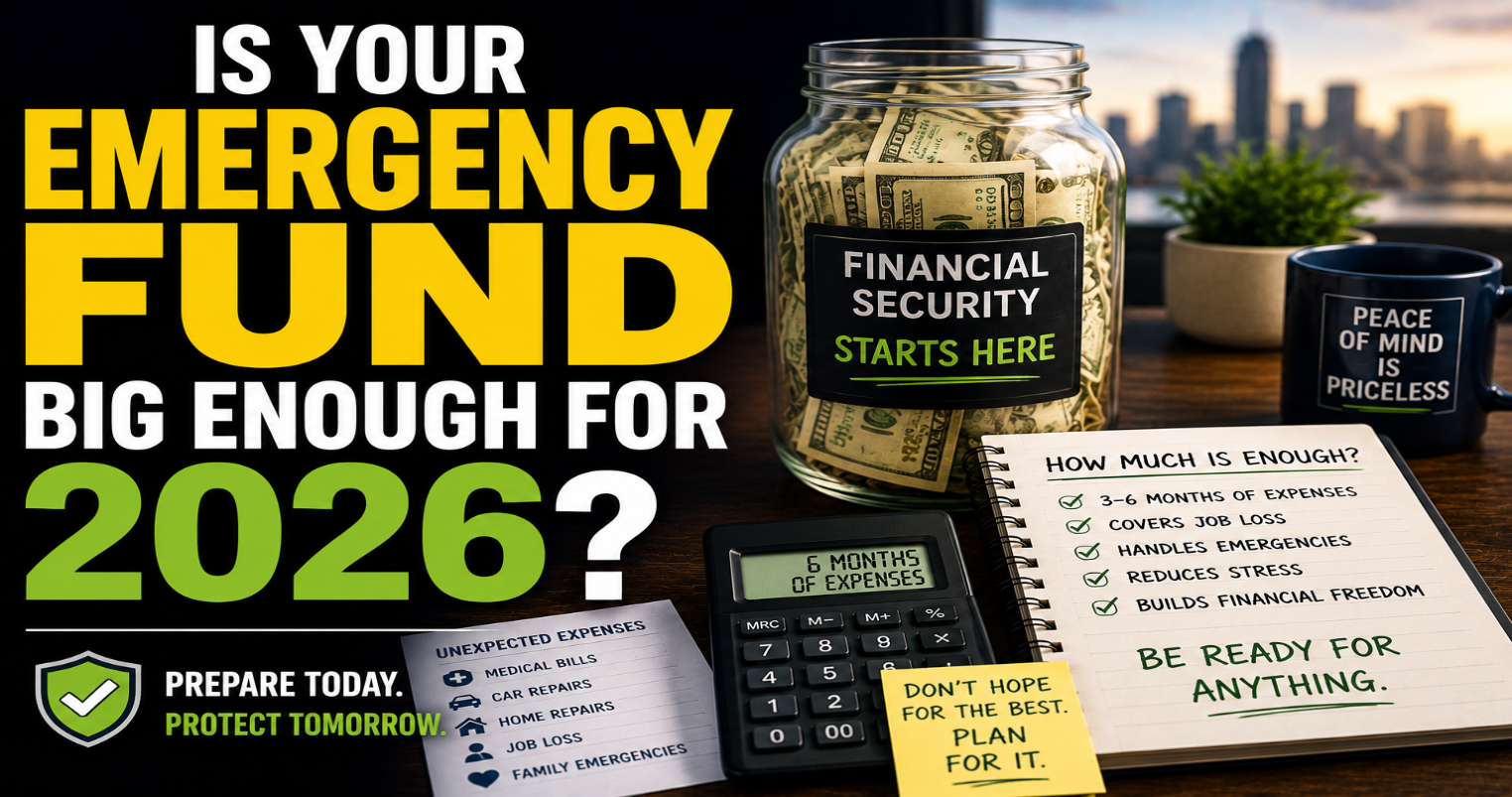
Introduction
Unexpected expenses can happen at any time.
A medical bill, car repair, job loss, or home emergency can quickly disrupt your finances if you aren’t prepared.
That’s why an emergency fund remains one of the most important parts of a healthy financial plan.
As living costs continue to change in 2026, many Americans are asking an important question: Is my emergency fund still enough?
In this guide, you’ll learn how to evaluate your emergency savings, identify factors that affect the amount you may need, and build stronger financial security for the future.
Why Emergency Savings Matter
An emergency fund provides money that can be used for unexpected expenses without relying on credit cards or loans.
Having emergency savings may help you:
- Handle unexpected bills.
- Reduce financial stress.
- Avoid unnecessary debt.
- Protect long-term financial goals.
- Improve financial confidence.
Preparing before an emergency happens is often much easier than responding afterward.
1. Rising Living Costs Can Change Your Savings Needs
As everyday expenses increase, the amount needed to cover essential monthly costs may also increase.
Review expenses such as:
- Housing.
- Groceries.
- Utilities.
- Transportation.
- Insurance.
If your monthly expenses have grown, your emergency savings target may need to be updated as well.
2. Your Income Stability Matters
Not everyone faces the same level of financial risk.
Consider factors such as:
- Job stability.
- Self-employment income.
- Seasonal work.
- Multiple income sources.
People with less predictable income may choose to keep larger emergency savings than those with more stable earnings.
3. Family Responsibilities Can Increase Emergency Needs
Your household situation also affects your financial planning.
You may need to consider:
- Dependents.
- Childcare expenses.
- Healthcare costs.
- Elder care responsibilities.
- Household size.
Additional responsibilities often increase the importance of maintaining adequate emergency savings.
4. Review Your Emergency Fund Regularly
Many people build an emergency fund once and rarely review it again.
However, major life changes may require adjustments.
Examples include:
- A new job.
- Marriage.
- Buying a home.
- Having children.
- Moving to a new city.
Reviewing your savings at least once a year helps ensure it still matches your current needs.
5. Separate Emergency Savings From Everyday Spending
Keeping emergency savings in a dedicated account can reduce the temptation to spend the money on non-emergency purchases.
Many people choose accounts that provide:
- Easy access.
- Security.
- Separate balances.
- Automatic transfers.
Organization can make it easier to preserve your emergency fund for genuine emergencies.
6. Build Your Emergency Fund Gradually
Building emergency savings doesn’t have to happen overnight.
Many people grow their emergency fund through:
- Automatic monthly transfers.
- Budgeting.
- Reducing unnecessary expenses.
- Saving tax refunds.
- Directing bonuses toward savings.
Consistency often matters more than starting with a large amount.
If you’re looking to grow your savings more quickly, read our How to Build an Emergency Fund Faster guide for practical strategies that can help you reach your savings goals sooner.
Financial Security Begins With Preparation
Emergency savings provide flexibility when unexpected situations arise.
The stronger your financial foundation, the better prepared you may be for life’s uncertainties.
7. Know What Counts as a Real Emergency
An emergency fund should be reserved for unexpected and necessary expenses.
Examples may include:
- Major medical bills.
- Essential home repairs.
- Unexpected car repairs.
- Temporary loss of income.
- Urgent travel for family emergencies.
Routine shopping, vacations, and planned purchases should generally be covered through separate savings goals.
8. Rebuild Your Emergency Fund After Using It
Using your emergency savings isn’t a failure—it’s the purpose of the fund.
After the emergency has passed, create a plan to replenish your savings by:
- Restarting automatic transfers.
- Reducing non-essential spending temporarily.
- Directing bonuses or tax refunds to savings.
- Increasing contributions whenever your income rises.
Rebuilding your fund helps prepare you for future unexpected expenses.
9. Review Your Budget as Expenses Change
Your emergency fund should reflect your current financial situation.
If your monthly expenses have increased because of:
- Higher rent or mortgage payments.
- Rising insurance costs.
- Increased utility bills.
- Family changes.
- Inflation.
consider updating both your budget and your emergency savings goal.
10. Balance Saving With Other Financial Goals
Emergency savings are important, but they are only one part of a healthy financial plan.
Once you’ve built an appropriate emergency fund for your situation, continue working toward goals such as:
- Paying down high-interest debt.
- Saving for retirement.
- Investing for long-term growth.
- Building other savings goals.
Balancing these priorities can strengthen your overall financial future.
Common Emergency Fund Mistakes to Avoid
Many people unintentionally weaken their financial safety net by making avoidable mistakes.
Try to avoid:
- Using emergency savings for non-essential purchases.
- Keeping no emergency fund at all.
- Forgetting to increase savings as living costs rise.
- Not reviewing your emergency fund after major life changes.
- Depending entirely on credit cards for unexpected expenses.
- Stopping contributions after reaching an initial savings goal.
Even small, regular contributions can make a meaningful difference over time.
The Consumer Financial Protection Bureau (CFPB) offers practical guidance on building emergency savings, creating a budget, managing debt, and preparing for unexpected financial events. These resources can help you strengthen your financial foundation and make informed money decisions.
Frequently Asked Questions
How much should I keep in an emergency fund?
There isn’t a single amount that works for everyone.
The right size depends on your monthly expenses, income stability, household responsibilities, and overall financial situation.
Where should I keep my emergency fund?
Many people choose a separate savings account that offers easy access while keeping the money apart from everyday spending.
The right account depends on your needs, liquidity preferences, and financial goals.
Should I invest my emergency fund?
Emergency savings are generally intended to be available when you need them.
Many people prefer keeping these funds in easily accessible accounts rather than investments that can fluctuate in value.
How long does it take to build an emergency fund?
The timeline varies based on your income, expenses, and savings rate.
Consistent contributions—even modest ones—can steadily build a strong financial cushion.
Final Thoughts
An emergency fund is one of the strongest tools for protecting your financial future.
As living costs and personal circumstances change, it’s important to review your savings regularly and make adjustments when needed.
Building emergency savings takes time, but every contribution strengthens your financial resilience.
By staying consistent, reviewing your budget, and preparing for the unexpected, you can improve your financial security and face 2026 with greater confidence.