 MOHAMMAD ABUBAKR
Introduction
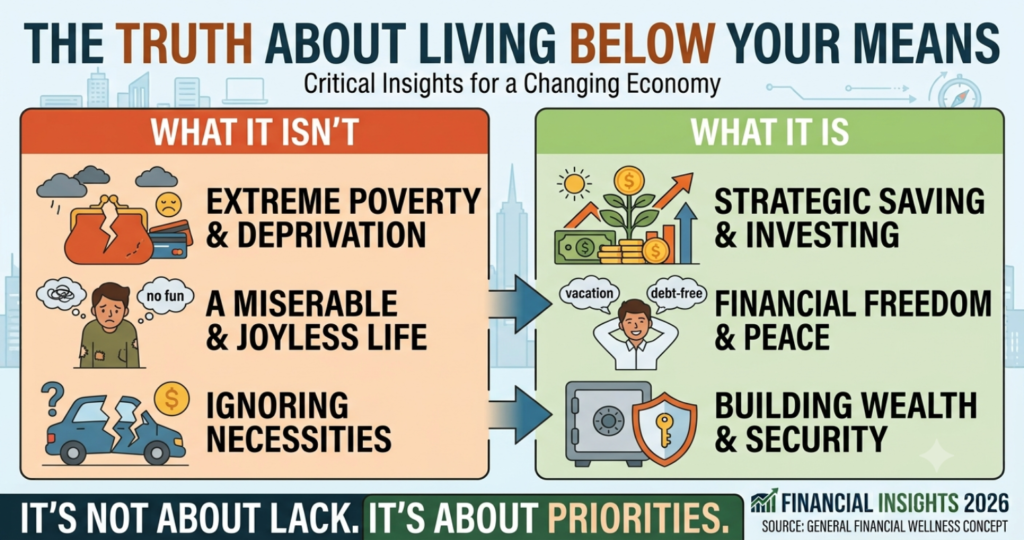
Living below your means is one of the most common pieces of financial advice, yet it’s also one of the most misunderstood.
Many people assume it means giving up everything they enjoy or living an extremely frugal lifestyle.
In reality, living below your means is about spending less than you earn so you can save, invest, and prepare for future financial goals.
This habit has helped many people build long-term financial security regardless of their income level.
In this guide, you’ll learn what living below your means really means, why it matters, and practical ways to make it part of your financial life.
What Does Living Below Your Means Actually Mean?
Living below your means simply means your spending is consistently lower than your income.
The money left over can be used for priorities such as:
- Building an emergency fund.
- Paying down debt.
- Investing for retirement.
- Saving for major purchases.
- Growing long-term wealth.
It’s about creating financial flexibility—not deprivation.
1. It Gives You More Financial Freedom
When you spend less than you earn, you gain more control over your money.
This can help you:
- Handle unexpected expenses.
- Save for future goals.
- Reduce financial stress.
- Make career decisions with greater confidence.
Financial freedom often begins with healthy spending habits.
2. It Helps You Build Savings Faster
Consistently spending less than you earn creates room for saving.
Even modest monthly contributions can grow over time through consistent habits.
Saving regularly also strengthens your ability to manage financial emergencies without relying on debt.
Consistent saving is one of the habits shared by many financially successful people. Read our Money Habits That Separate the Rich From Everyone Else guide to discover additional long-term wealth-building strategies.
3. It Can Reduce Your Dependence on Credit
When your budget has extra breathing room, you’re less likely to rely on credit cards or loans for routine expenses.
Over time, this may reduce:
- Interest costs.
- Monthly debt payments.
- Financial stress.
Using credit responsibly becomes easier when everyday expenses fit comfortably within your income.
4. It Supports Long-Term Investing
Living below your means often creates money that can be invested for future goals.
Many long-term investors prioritize:
- Retirement accounts.
- Diversified investments.
- Regular contributions.
- Long-term financial planning.
Consistent investing can become much easier when your spending remains under control.
5. It Doesn’t Mean You Can Never Spend
Living below your means doesn’t require eliminating every enjoyable purchase.
Instead, it encourages intentional spending.
You can still:
- Travel.
- Dine out occasionally.
- Enjoy hobbies.
- Celebrate important milestones.
The goal is to spend thoughtfully rather than impulsively.
6. Small Daily Decisions Matter
Financial success is often built through small everyday habits.
Examples include:
- Cooking more meals at home.
- Comparing prices before buying.
- Avoiding unnecessary subscriptions.
- Planning purchases in advance.
- Saving part of every paycheck.
Small improvements repeated consistently can produce significant long-term results.
Financial Flexibility Starts With Everyday Choices
Living below your means is less about restriction and more about creating opportunities for your future.
Small financial decisions made consistently often have the greatest long-term impact.
7. Avoid Lifestyle Inflation
As income increases, it’s natural to want a more comfortable lifestyle.
However, automatically increasing your spending after every raise can make it difficult to build wealth.
Instead, consider directing part of any income increase toward:
- Emergency savings.
- Retirement accounts.
- Investments.
- Debt repayment.
- Long-term financial goals.
Keeping lifestyle inflation under control allows your financial progress to continue even as your income grows.
8. Create a Spending Plan That Fits Your Life
Living below your means doesn’t require following someone else’s budget.
Build a spending plan based on:
- Your income.
- Essential monthly expenses.
- Financial goals.
- Family responsibilities.
- Personal priorities.
A realistic budget is much easier to maintain over the long term.
9. Review Your Financial Progress Regularly
Financial habits improve when you measure your progress.
Review your finances every month by asking:
- Am I spending less than I earn?
- Have I increased my savings?
- Am I making progress toward my goals?
- Which expenses can I reduce next month?
Regular reviews make it easier to adjust before small issues become larger problems.
10. Think About Long-Term Value
Before making a purchase, ask yourself whether it supports your long-term financial goals.
Many financially successful people focus on value instead of impulse.
This mindset can help you:
- Make better spending decisions.
- Reduce unnecessary purchases.
- Increase long-term savings.
- Build wealth more consistently.
Thinking long term often leads to stronger financial habits.
Common Mistakes to Avoid
Living below your means becomes much easier when you avoid common financial mistakes.
Watch out for these habits:
- Spending every paycheck.
- Increasing expenses after every raise.
- Ignoring a monthly budget.
- Relying on credit cards for everyday purchases.
- Saving only when money is left over.
- Comparing your lifestyle to others.
Small changes in daily behavior can create meaningful long-term financial improvements.
The Consumer Financial Protection Bureau (CFPB) provides practical resources on budgeting, saving, managing debt, and improving financial well-being. These educational tools can help you build sustainable money habits and make informed financial decisions over the long term.
Frequently Asked Questions
Does living below your means mean being cheap?
No.
It means spending intentionally and keeping your expenses below your income so you can save, invest, and prepare for future financial goals.
Can I still enjoy life while living below my means?
Absolutely.
Many people continue traveling, dining out, and enjoying hobbies while following a thoughtful spending plan that fits their budget.
Is living below your means possible on an average income?
Yes.
Many households build financial security by budgeting carefully, controlling unnecessary expenses, and saving consistently, regardless of income level.
What is the biggest benefit of living below your means?
One of the biggest benefits is greater financial flexibility.
Spending less than you earn creates opportunities to save, invest, reduce debt, and prepare for unexpected expenses.
Final Thoughts
Living below your means isn’t about sacrificing everything you enjoy.
It’s about making intentional financial decisions that support both your current lifestyle and your future goals.
By spending thoughtfully, avoiding lifestyle inflation, saving consistently, and investing in your future, you can build greater financial confidence and long-term wealth.
The habit may seem simple, but over time, it can become one of the most powerful tools for achieving lasting financial security.