
 MOHAMMAD ABUBAKR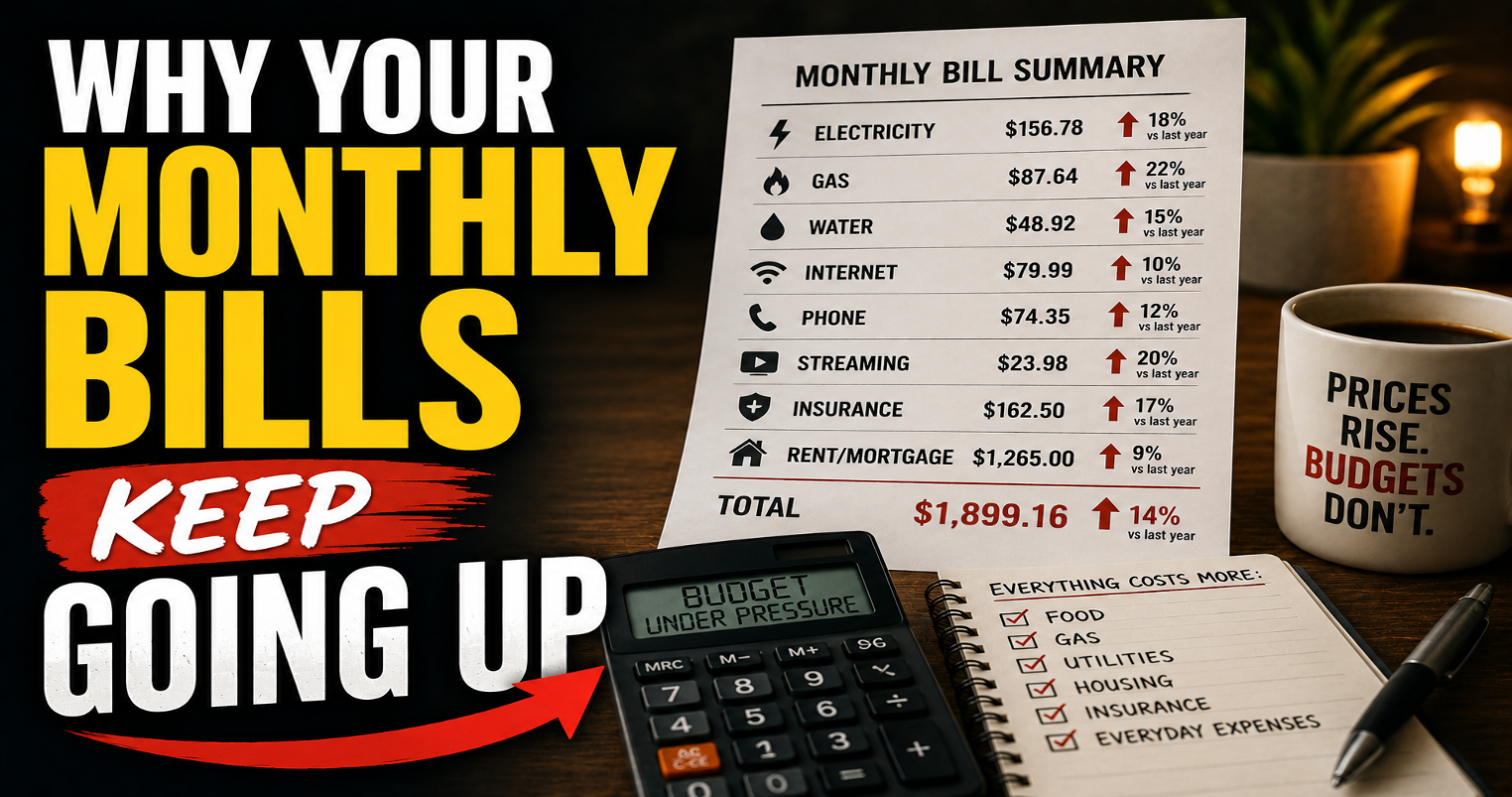
Introduction
If it feels like your monthly bills are getting higher every year, you’re not alone.
Many Americans have seen steady increases in everyday expenses, even without making major lifestyle changes.
Housing, utilities, insurance, internet service, groceries, and subscription costs have all become larger parts of many household budgets.
Understanding why your monthly bills keep rising can help you make smarter financial decisions and identify opportunities to reduce unnecessary expenses.
In this guide, you’ll learn the biggest reasons behind rising monthly bills and practical strategies to take greater control of your budget.
Why Monthly Expenses Continue to Rise
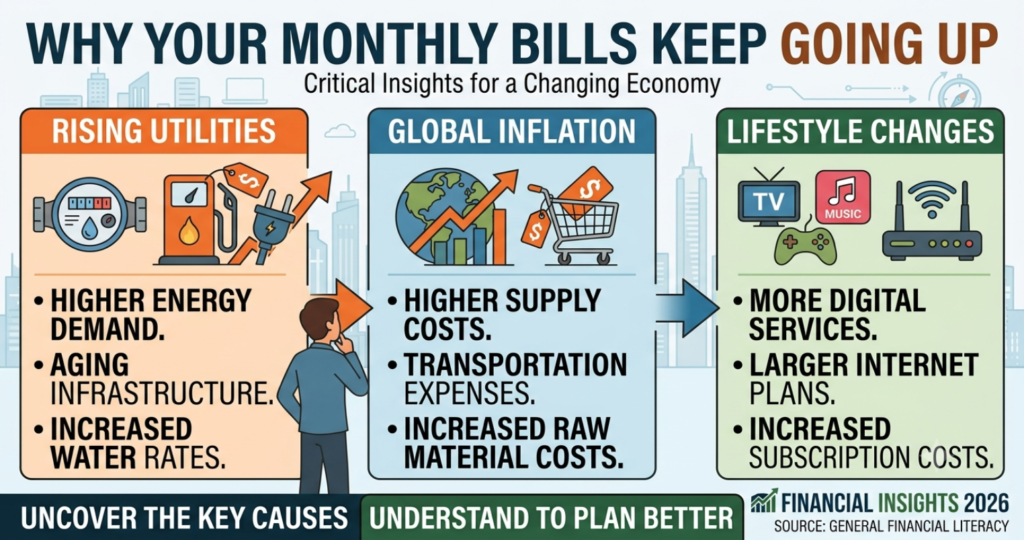
Several factors contribute to increasing household costs.
Some are outside your control, while others are connected to everyday financial habits.
Common reasons include:
- Inflation.
- Service price increases.
- Subscription growth.
- Lifestyle inflation.
- Higher insurance costs.
Recognizing these trends is the first step toward improving your financial situation.
1. Inflation Affects Almost Every Bill
Inflation increases the cost of goods and services over time.
As prices rise, many recurring household expenses become more expensive, including:
- Groceries.
- Electricity.
- Water.
- Natural gas.
- Internet service.
Even small annual price increases can have a noticeable effect on your monthly budget.
2. Utility Costs Continue to Increase
Many households experience higher utility bills due to:
- Seasonal weather.
- Increased energy prices.
- Greater household usage.
- Utility rate adjustments.
Monitoring your energy consumption and improving efficiency may help reduce costs.
3. Insurance Premiums Often Rise
Insurance companies periodically adjust premiums based on many factors.
These may include:
- Auto insurance.
- Homeowners insurance.
- Renters insurance.
- Health insurance.
Reviewing your policies regularly can help you understand available coverage and pricing options.
4. Subscription Services Quietly Add Up
Many people subscribe to multiple services without realizing the total monthly cost.
Examples include:
- Video streaming.
- Music platforms.
- Cloud storage.
- Software subscriptions.
- Fitness memberships.
Small recurring charges can become significant over the course of a year.
Tracking recurring expenses is much easier with a spending plan. Read our The Hidden Cost of Living Without a Budget guide to learn why budgeting is essential for long-term financial success.
5. Lifestyle Inflation Can Increase Fixed Expenses
As income increases, spending often increases as well.
Examples include:
- Upgrading phones.
- Purchasing newer vehicles.
- Choosing larger service plans.
- Dining out more often.
These changes may seem manageable individually but can permanently increase monthly expenses.
6. Interest Costs Can Raise Monthly Payments
Borrowing money often becomes more expensive over time.
Higher interest costs can increase monthly payments for:
- Credit cards.
- Auto loans.
- Personal loans.
- Variable-rate debt.
Reducing high-interest balances can improve monthly cash flow.
Small Increases Create Big Budget Changes
A few dollars added to several monthly bills may not seem significant at first.
However, when combined, these increases can noticeably affect your household budget.
7. Review Your Bills Every Few Months
Many people continue paying the same bills without checking whether better options are available.
Set aside time every few months to review:
- Internet plans.
- Mobile phone services.
- Insurance policies.
- Streaming subscriptions.
- Utility usage.
Regular reviews may help you identify opportunities to reduce monthly expenses.
8. Compare Providers Before Renewing
Loyalty doesn’t always result in the best price.
Before renewing a service or insurance policy, compare offers from other providers.
You may find:
- Lower monthly rates.
- Better coverage.
- Promotional discounts.
- Plans that better fit your current needs.
Taking a few minutes to compare options could lead to meaningful long-term savings.
9. Create a Flexible Household Budget
As living costs change, your budget should change too.
A flexible budget allows you to adjust for:
- Higher grocery prices.
- Seasonal utility bills.
- Unexpected repairs.
- Changing financial goals.
Reviewing your budget monthly helps you stay prepared instead of reacting to rising expenses.
10. Focus on Expenses You Can Control
While you can’t control inflation or many price increases, you can make decisions that improve your financial position.
Focus on:
- Reducing unnecessary subscriptions.
- Using energy efficiently.
- Paying down high-interest debt.
- Shopping more intentionally.
- Saving consistently.
Small improvements across several spending categories can add up over time.
Common Budgeting Mistakes to Avoid
Many households unintentionally make rising bills even harder to manage.
Avoid these common mistakes:
- Ignoring recurring subscriptions.
- Never reviewing insurance policies.
- Living without a monthly budget.
- Using credit cards for everyday expenses without a repayment plan.
- Waiting until bills become overwhelming before taking action.
- Assuming every price increase is unavoidable.
Being proactive often leads to better financial outcomes.
The Consumer Financial Protection Bureau (CFPB) provides free educational resources on budgeting, managing household expenses, reducing debt, and improving financial well-being. These tools can help you make informed decisions as your monthly bills and living costs change.
Frequently Asked Questions
Why do my monthly bills keep increasing?
Monthly bills can rise because of inflation, higher utility rates, insurance premium increases, subscription costs, and changes in personal spending habits.
How can I lower my monthly expenses?
Review your recurring bills regularly, compare service providers, reduce unnecessary subscriptions, improve energy efficiency, and follow a realistic budget.
Should I review my bills every year?
Reviewing major household expenses at least once a year—and some every few months—can help ensure you’re not paying more than necessary.
Can budgeting really help with rising bills?
Yes.
A budget helps you understand where your money goes, prioritize spending, and identify areas where you can reduce unnecessary expenses.
Final Thoughts
Rising monthly bills have become a reality for many American households.
While you can’t control every price increase, you can take meaningful steps to reduce financial pressure.
Review your expenses regularly, compare providers, adjust your budget as needed, and focus on the costs you can control.
Small financial improvements made consistently can help your paycheck go further and strengthen your long-term financial security.