 MOHAMMAD ABUBAKR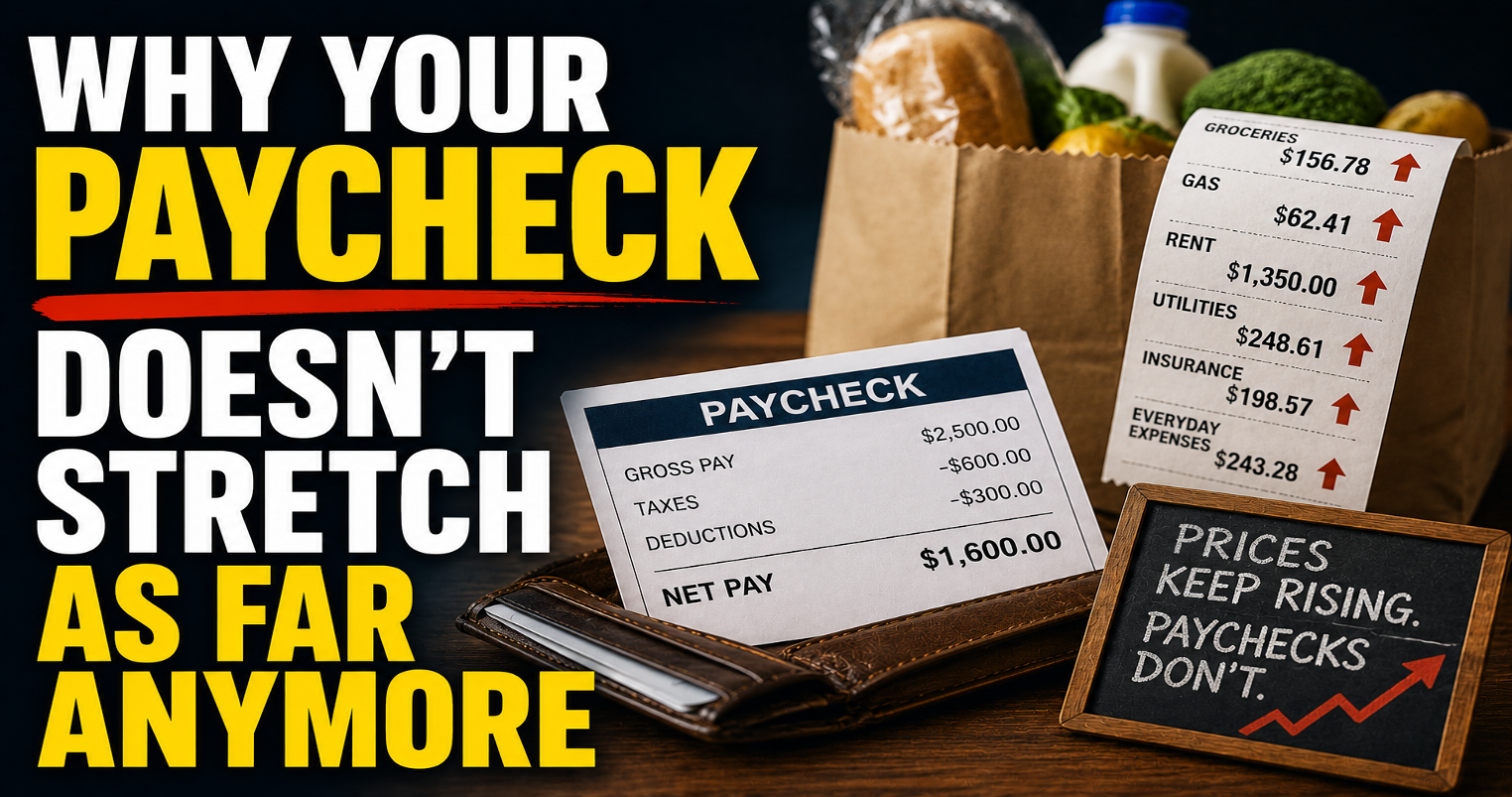
Introduction
If it feels like your paycheck doesn’t go as far as it used to, you’re not imagining it.
Many Americans have noticed that everyday expenses now consume a larger portion of their monthly income.
Even if your salary has increased, higher prices for housing, groceries, transportation, insurance, and everyday services can reduce your purchasing power.
Understanding why this happens is the first step toward improving your financial situation.
In this guide, you’ll learn why your paycheck doesn’t stretch as far anymore and what you can do to better manage rising living costs.
Why Your Paycheck Feels Smaller
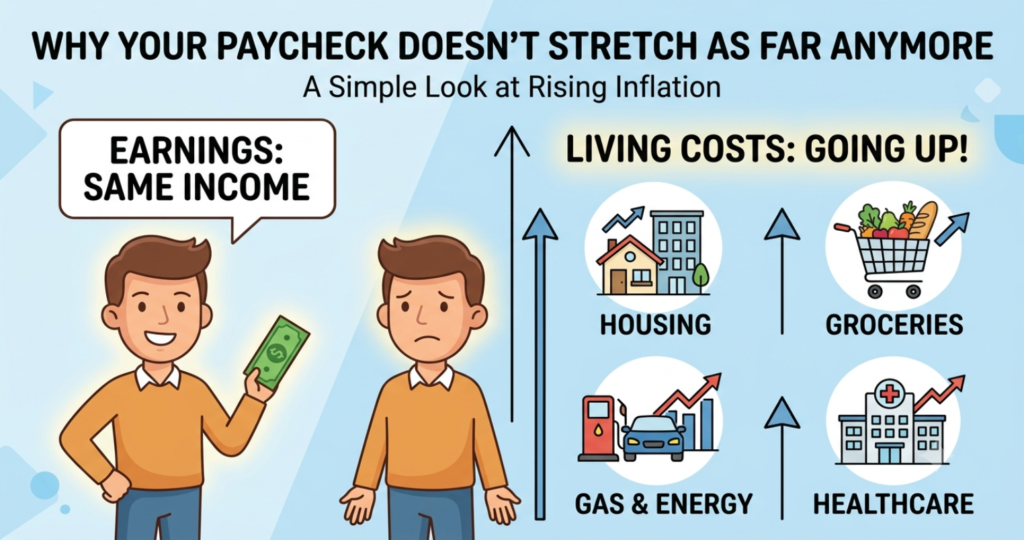
Your paycheck may stay the same—or even increase—while your overall buying power declines.
Several financial factors contribute to this situation, including:
- Inflation.
- Rising housing costs.
- Higher insurance premiums.
- Increased utility bills.
- Lifestyle inflation.
Recognizing these factors can help you make more informed financial decisions.
1. Inflation Reduces Purchasing Power
Inflation causes the prices of goods and services to increase over time.
As prices rise, every dollar buys less than it did before.
Common examples include:
- Groceries.
- Gasoline.
- Healthcare.
- Utilities.
- Dining out.
Even moderate inflation can significantly affect your monthly budget over several years.
If rising prices are affecting your budget, read our Smart Ways to Save Money During Inflation guide for practical strategies to reduce expenses and protect your purchasing power.
2. Housing Costs Continue to Rise
Housing is one of the largest monthly expenses for many households.
Whether you rent or own a home, you may face increasing costs such as:
- Rent payments.
- Mortgage expenses.
- Property taxes.
- Home insurance.
- Maintenance costs.
These rising expenses leave less money available for savings and other financial goals.
3. Everyday Services Cost More
Many routine services have become more expensive.
Examples include:
- Internet service.
- Cell phone plans.
- Streaming subscriptions.
- Vehicle maintenance.
- Childcare.
Small monthly increases across several services can noticeably affect your overall budget.
4. Lifestyle Inflation Can Quietly Increase Spending
As income grows, spending often grows as well.
This is known as lifestyle inflation.
Examples include:
- Eating out more frequently.
- Upgrading electronics.
- Purchasing newer vehicles.
- Taking more expensive vacations.
While occasional upgrades are reasonable, consistently increasing expenses can make it difficult to build wealth.
5. Subscription Costs Add Up
Many people underestimate how much they spend on recurring subscriptions.
These may include:
- Streaming services.
- Music platforms.
- Fitness memberships.
- Cloud storage.
- Software subscriptions.
Reviewing recurring charges regularly can help identify opportunities to reduce spending.
6. Savings Become More Challenging
As everyday expenses increase, many households find it harder to:
- Build an emergency fund.
- Save for retirement.
- Invest consistently.
- Reach long-term financial goals.
Creating a realistic budget becomes even more important during periods of rising living costs.
Awareness Is the First Step
Understanding why your paycheck doesn’t stretch as far can help you make smarter financial decisions and identify areas where you may be able to improve your budget.
7. Wage Growth Doesn’t Always Keep Pace With Expenses
Receiving a raise is always welcome.
However, if the cost of housing, groceries, healthcare, transportation, and other essentials rises faster than your income, your purchasing power may still decline.
This is why many people feel financially stretched even after earning more than they did a few years ago.
8. Small Daily Expenses Can Have a Big Impact
Individual purchases may seem insignificant.
However, spending on coffee, convenience foods, food delivery, impulse purchases, and other daily expenses can add up over time.
Tracking these costs for a month may reveal opportunities to save without making major lifestyle changes.
9. Review Your Budget Regularly
Your budget should change as your financial situation changes.
Review it every few months by asking yourself:
- Have my monthly bills increased?
- Are there subscriptions I no longer use?
- Am I saving enough each month?
- Can I reduce unnecessary spending?
Regular reviews can help you adjust before small financial issues become larger problems.
10. Focus on What You Can Control
You cannot control inflation or national economic trends.
However, you can improve your financial position by focusing on:
- Following a realistic budget.
- Building an emergency fund.
- Paying down high-interest debt.
- Increasing your savings rate.
- Investing consistently for long-term goals.
Small, consistent improvements often produce meaningful financial results over time.
Common Money Mistakes to Avoid
When living costs rise, many people make financial decisions that create additional stress.
Avoid these common mistakes:
- Ignoring a monthly budget.
- Using credit cards to cover everyday expenses without a repayment plan.
- Keeping recurring subscriptions you no longer use.
- Delaying emergency savings.
- Increasing lifestyle spending after every pay raise.
- Making impulse purchases without considering long-term financial goals.
Improving just a few daily habits can strengthen your overall financial health.
The Consumer Financial Protection Bureau (CFPB) offers practical guidance on budgeting, managing household expenses, saving money, and improving financial well-being. These resources can help you make informed financial decisions as living costs continue to change.
Frequently Asked Questions
Why does my paycheck feel smaller even if my salary increased?
Your income may have increased, but if inflation and living expenses have risen even faster, your purchasing power can still decline.
How can I make my paycheck go further?
Creating a realistic budget, reducing unnecessary expenses, building an emergency fund, and reviewing recurring bills regularly can help improve your financial situation.
Does inflation affect everyone the same way?
Not exactly.
The impact depends on factors such as income, location, housing costs, spending habits, and household expenses.
Should I stop saving during periods of high inflation?
Continuing to save—even if it’s a smaller amount—can help you stay on track with your long-term financial goals.
Consistency is often more important than perfection.
Final Thoughts
If your paycheck doesn’t stretch as far as it once did, you’re not alone.
Higher living costs, inflation, lifestyle inflation, and increasing everyday expenses have made budgeting more challenging for many Americans.
While you cannot control every economic factor, you can control how you manage your money.
Reviewing your spending, cutting unnecessary costs, saving consistently, and planning for the future can help you make the most of every paycheck and build stronger long-term financial security.