 MOHAMMAD ABUBAKR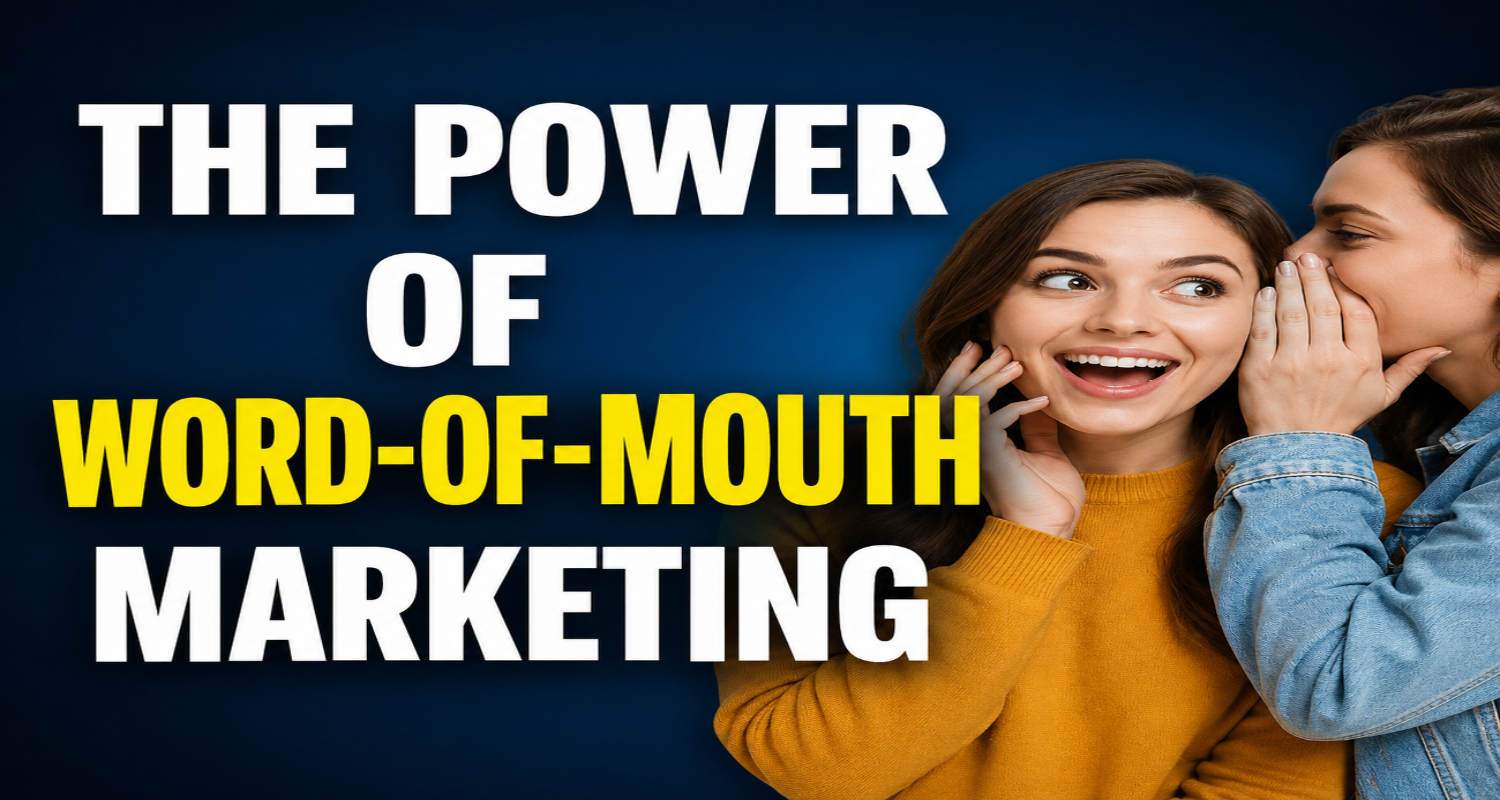
In today’s digital world, businesses spend billions of dollars on advertising every year. Yet, one of the most effective marketing strategies remains completely free—word-of-mouth marketing. When happy customers recommend your business to friends, family, or coworkers, they create trust that traditional advertising often cannot match.
People naturally value recommendations from those they know. Before making a purchase, many consumers ask for opinions, read online reviews, or look for personal experiences. As a result, businesses with a strong reputation often attract new customers without relying solely on paid advertising.
Whether you own a local shop, an online store, or a growing startup in the United States, understanding the power of word-of-mouth marketing can help you build a loyal customer base and increase long-term revenue.
What Is Word-of-Mouth Marketing?
Word-of-mouth marketing happens when customers voluntarily recommend a business, product, or service to others based on their positive experiences.
Recommendations may happen through:
- Face-to-face conversations.
- Phone calls.
- Text messages.
- Social media posts.
- Online reviews.
- Community forums.
- Business referrals.
Unlike paid advertising, these recommendations come from real customers, making them highly credible.
Smart Financial Habits for Business Owner.
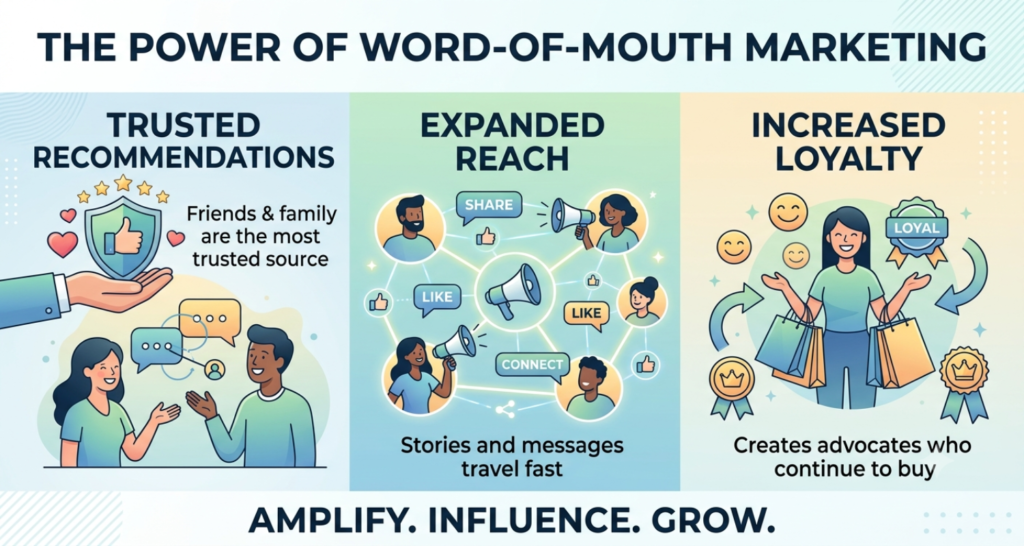
Why Word-of-Mouth Marketing Matters
Customers trust people more than advertisements.
A recommendation from a friend often carries more influence than a paid commercial because it feels genuine and unbiased.
Word-of-mouth marketing helps businesses:
- Build trust quickly.
- Attract qualified customers.
- Reduce marketing costs.
- Increase customer loyalty.
- Improve brand reputation.
- Generate long-term growth.
Satisfied customers often become your most valuable marketing team.
1. Trust Drives Buying Decisions
Trust is one of the biggest factors influencing purchasing decisions.
When someone recommends your business, potential customers feel more confident because the recommendation comes from personal experience.
This trust often leads to:
- Faster buying decisions.
- Higher conversion rates.
- Increased customer confidence.
- Better long-term relationships.
Building trust should always be a priority.
2. Happy Customers Create Free Marketing
Every satisfied customer has the potential to introduce your business to dozens of new people.
For example:
- A homeowner recommends a local contractor.
- A business owner refers an accountant.
- A parent recommends a tutoring center.
- A shopper shares a positive online review.
These referrals require little or no advertising budget.
3. Online Reviews Strengthen Word-of-Mouth
Today’s word-of-mouth marketing often happens online.
Many consumers read reviews before choosing:
- Restaurants.
- Contractors.
- Retail stores.
- Healthcare providers.
- Service businesses.
Encourage satisfied customers to leave honest reviews on trusted platforms like Google Business Profile, Yelp, and Facebook.
Responding professionally to both positive and negative reviews also shows that you value customer feedback.
4. Excellent Customer Service Fuels Referrals
People remember how businesses make them feel.
Providing outstanding customer service encourages customers to share their experiences.
Simple ways to exceed expectations include:
- Responding quickly.
- Solving problems professionally.
- Following up after purchases.
- Being honest and transparent.
- Showing appreciation.
Small acts of excellent service often create lasting impressions.
5. Deliver a Product Worth Talking About
No marketing strategy can replace a quality product or service.
Customers naturally recommend businesses that consistently deliver value.
Focus on:
- Reliable quality.
- Fair pricing.
- Fast delivery.
- Easy returns.
- Consistent performance.
When customers are impressed, referrals happen naturally.
6. Build a Referral Program
While many referrals happen organically, businesses can also encourage them through referral programs.
Examples include:
- Discounts for referring friends.
- Store credit.
- Gift cards.
- Loyalty rewards.
- Exclusive offers.
Keep your referral program simple so customers understand how it works.
7. Stay Active on Social Media
Social media helps customers share their experiences with a wider audience.
Encourage engagement by posting:
- Customer success stories.
- Before-and-after photos.
- User-generated content.
- Product demonstrations.
- Behind-the-scenes updates.
When customers tag your business, their recommendations reach friends and followers.
8. Build Relationships, Not Just Sales
Businesses that focus only on transactions often miss opportunities to create loyal customers.
Instead:
- Learn customer names.
- Remember preferences.
- Ask for feedback.
- Follow up after purchases.
- Thank customers personally.
Strong relationships lead to repeat business and more referrals.
9. Partner With Other Local Businesses
Cross-promotions can expand your reach.
For example:
- A coffee shop partners with a local bakery.
- A gym partners with a nutrition coach.
- A real estate agent partners with a mortgage broker.
These partnerships allow businesses to recommend one another to trusted customers.
10. Be Consistent
Consistency is essential for positive word-of-mouth.
Customers should receive the same high-quality experience every time they interact with your business.
Consistency includes:
- Product quality.
- Customer service.
- Communication.
- Pricing transparency.
- Brand messaging.
Reliable experiences build lasting trust.
Common Mistakes That Hurt Word-of-Mouth Marketing
Avoid these common mistakes:
- Ignoring customer complaints.
- Delivering inconsistent service.
- Overpromising and underdelivering.
- Responding slowly to inquiries.
- Neglecting online reviews.
- Failing to thank loyal customers.
- Offering poor customer support.
One negative experience can spread quickly, especially online.
Practical Ways to Encourage More Referrals
Develop these habits consistently:
- Ask satisfied customers for reviews.
- Respond to every review professionally.
- Offer referral incentives.
- Deliver exceptional service every time.
- Make it easy for customers to recommend you.
- Stay engaged on social media.
- Share customer testimonials on your website.
- Celebrate customer success stories.
Small efforts often lead to significant long-term results.
Why Word-of-Mouth Marketing Delivers Long-Term Growth
Unlike paid advertising, word-of-mouth marketing continues to generate value long after the initial customer interaction.
Businesses with strong reputations often experience:
- Lower customer acquisition costs.
- Higher customer retention.
- Greater brand recognition.
- More repeat purchases.
- Sustainable growth.
As your customer base grows, referrals can become one of your most powerful marketing channels.
Final Thoughts
Word-of-mouth marketing remains one of the most effective and affordable ways to grow a business. By delivering excellent products, providing outstanding customer service, encouraging online reviews, and building genuine relationships, you can inspire customers to recommend your business with confidence.
Remember, every satisfied customer has the potential to become a brand ambassador. Focus on creating memorable experiences, and your customers will help spread the word. Over time, those authentic recommendations can drive steady growth, strengthen your reputation, and build a loyal customer base.
U.S. Small Business Administration (SBA):
Frequently Asked Questions
What is word-of-mouth marketing?
Word-of-mouth marketing is when customers voluntarily recommend a business, product, or service to others based on their positive experiences.
Why is word-of-mouth marketing so effective?
People trust recommendations from friends, family, and real customers more than traditional advertisements, making referrals highly influential.
How can small businesses encourage referrals?
Provide excellent customer service, ask for online reviews, create referral programs, and consistently deliver high-quality products or services.
Are online reviews part of word-of-mouth marketing?
Yes. Online reviews are a modern form of word-of-mouth marketing because they share real customer experiences that influence future buyers.