 MOHAMMAD ABUBAKR
Personal loans help millions of Americans pay for large expenses. Many people use them for debt consolidation, home improvements, medical bills, or unexpected emergencies. However, after your financial situation improves, you may ask yourself an important question:
Should you pay off your personal loan early?
The answer depends on your loan terms, financial goals, and overall money situation. While paying off debt sooner sounds like the perfect choice, it is not always the smartest financial move.
In this guide, you’ll learn the benefits, drawbacks, and situations where early repayment makes sense. You’ll also discover how paying off a personal loan early can affect your credit score and long-term finances.
What Does Paying Off a Personal Loan Early Mean?
Paying off a personal loan early means you repay the remaining balance before the scheduled end date.
You can do this in two ways:
- Make extra monthly payments.
- Pay the entire remaining balance in one lump sum.
As a result, you may reduce the amount of interest you pay over the life of the loan.
Benefits of Paying Off Your Personal Loan Early
Benefits of Paying Off Your Personal Loan Early
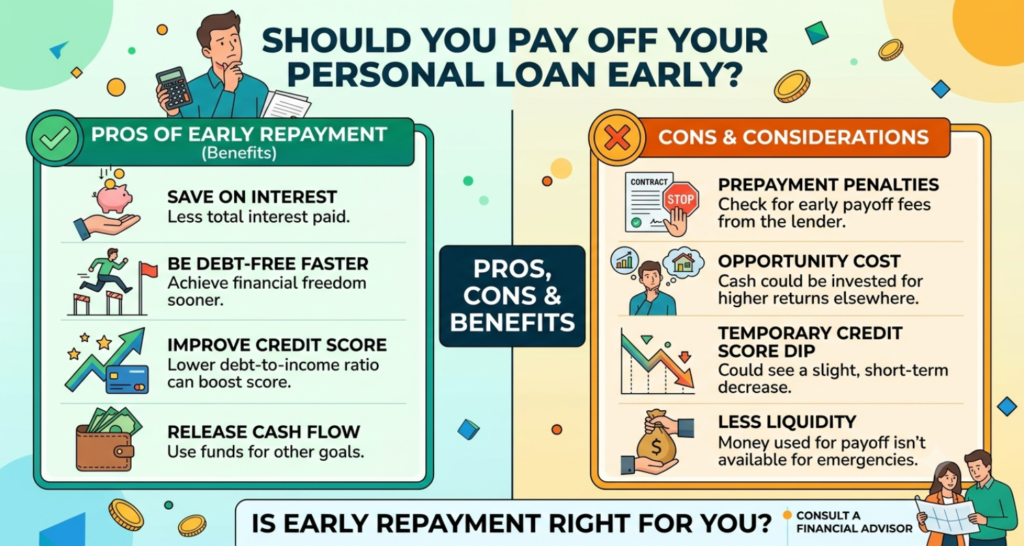
1. Save Money on Interest
One of the biggest advantages is saving money.
Most personal loans charge interest based on the remaining balance. Therefore, the faster you reduce that balance, the less interest you’ll pay.
For example:
- Loan Amount: $15,000
- Interest Rate: 10%
- Loan Term: 5 years
By paying the loan off two years early, you could save hundreds—or even thousands—of dollars in interest.
The higher the interest rate, the greater your savings.
2. Become Debt-Free Faster
Debt can create stress.
When you eliminate a personal loan, you gain peace of mind. Additionally, you no longer worry about monthly due dates.
Many Americans value financial freedom more than carrying debt for years.
3. Improve Monthly Cash Flow
After paying off your loan, your monthly payment disappears.
That extra money can help you:
- Build an emergency fund
- Increase retirement savings
- Invest for future goals
- Pay off credit card debt
- Save for a home
Better cash flow gives you greater financial flexibility.
4. Reduce Financial Risk
Unexpected events happen.
You may lose a job, face medical expenses, or experience lower income.
If your personal loan is already paid off, you’ll have one less financial obligation during difficult times.
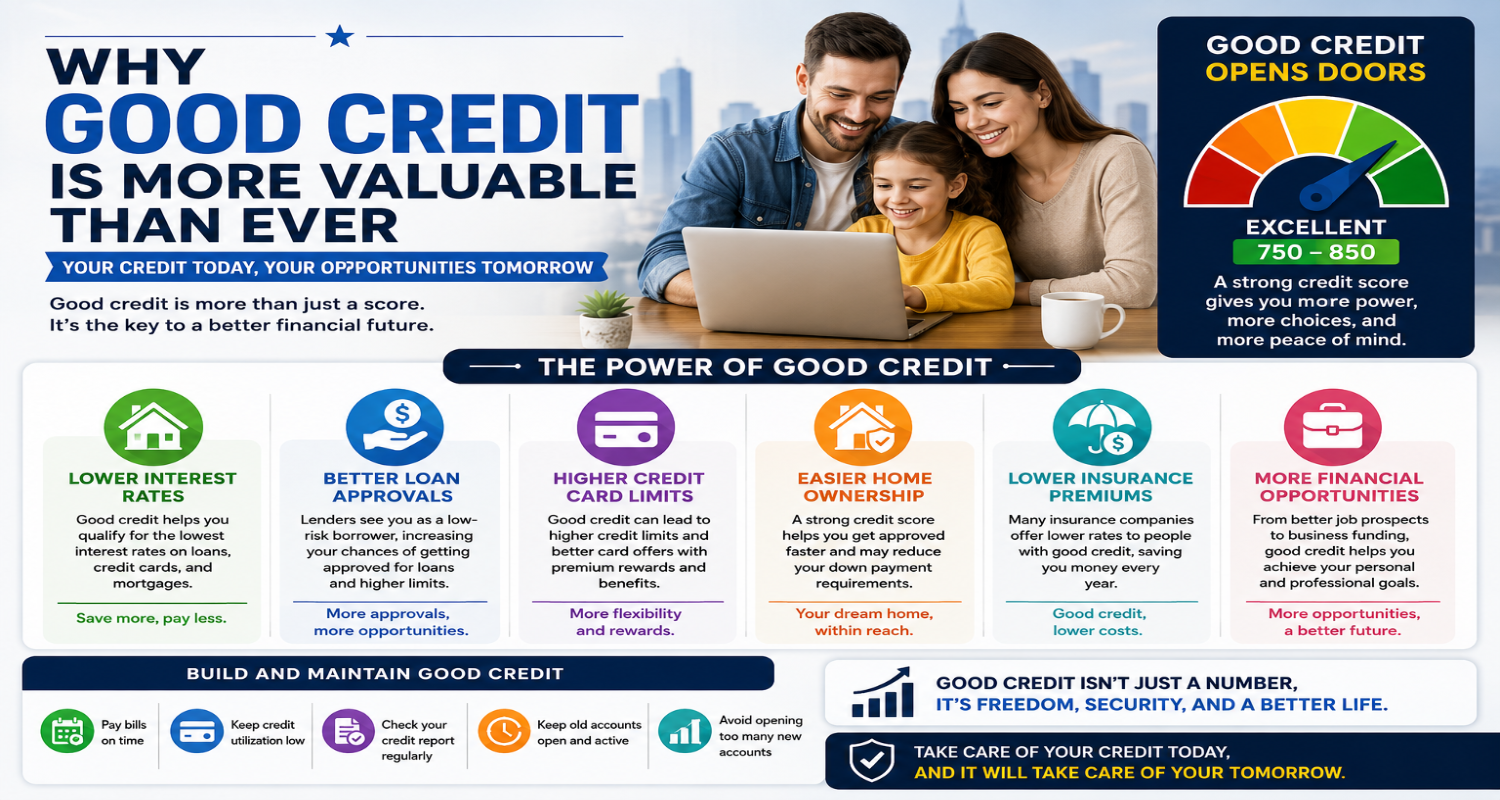
5. Lower Your Debt-to-Income Ratio
Lenders review your debt-to-income (DTI) ratio when you apply for:
- Mortgages
- Auto loans
- Personal loans
- Home equity loans
Paying off debt lowers your monthly obligations.
As a result, your DTI ratio improves, making future loan approvals easier.
Drawbacks of Paying Off a Personal Loan Early
Although early repayment has benefits, it isn’t always the best option.
Let’s look at the potential downsides.
1. Early Repayment Penalties
Some lenders charge a prepayment penalty.
This fee helps lenders recover lost interest when borrowers pay loans early.
Before making extra payments, check your loan agreement carefully.
If the penalty is higher than your interest savings, paying early may not make financial sense.
2. You Might Lose Valuable Cash
Using all your savings to pay off a loan can leave you financially vulnerable.
Imagine paying off a $20,000 loan today.
Next month, your car breaks down.
Without an emergency fund, you may need to use high-interest credit cards.
Always keep emergency savings before making large loan payments.
3. Lower Investment Returns
Sometimes your money can work harder elsewhere.
For example:
- Personal loan interest: 5%
- Investment return: 9%
In this case, investing may produce better long-term results.
However, investments always carry risk.
4. Small Credit Score Changes
Many people believe paying off a loan always increases credit scores.
That’s not always true.
Closing an installment loan may slightly change:
- Credit mix
- Average account age
Most people see little long-term impact.
If you continue making payments on other accounts responsibly, your score usually recovers.
When Paying Off Your Personal Loan Early Makes Sense
Early repayment is usually a smart choice if:
Your Interest Rate Is High
Loans above 10% often cost a lot over time.
Eliminating high-interest debt saves money quickly.
You Already Have an Emergency Fund
Experts generally recommend saving three to six months of living expenses first.
Once your savings are secure, paying extra toward debt becomes less risky.
You Have No Prepayment Penalty
Many modern lenders allow early payoff without fees.
If your lender doesn’t charge penalties, you’ll keep more of your interest savings.
You’re Preparing for a Mortgage
Lower monthly debt payments improve your debt-to-income ratio.
Mortgage lenders prefer borrowers with manageable debt levels.
When You Should Wait
Paying early may not be the right choice if:
- Your interest rate is very low.
- Your employer offers retirement matching.
- You have high-interest credit card debt.
- You lack emergency savings.
- You expect large upcoming expenses.
- Your loan has expensive prepayment fees.
In these situations, your money may be better used elsewhere.
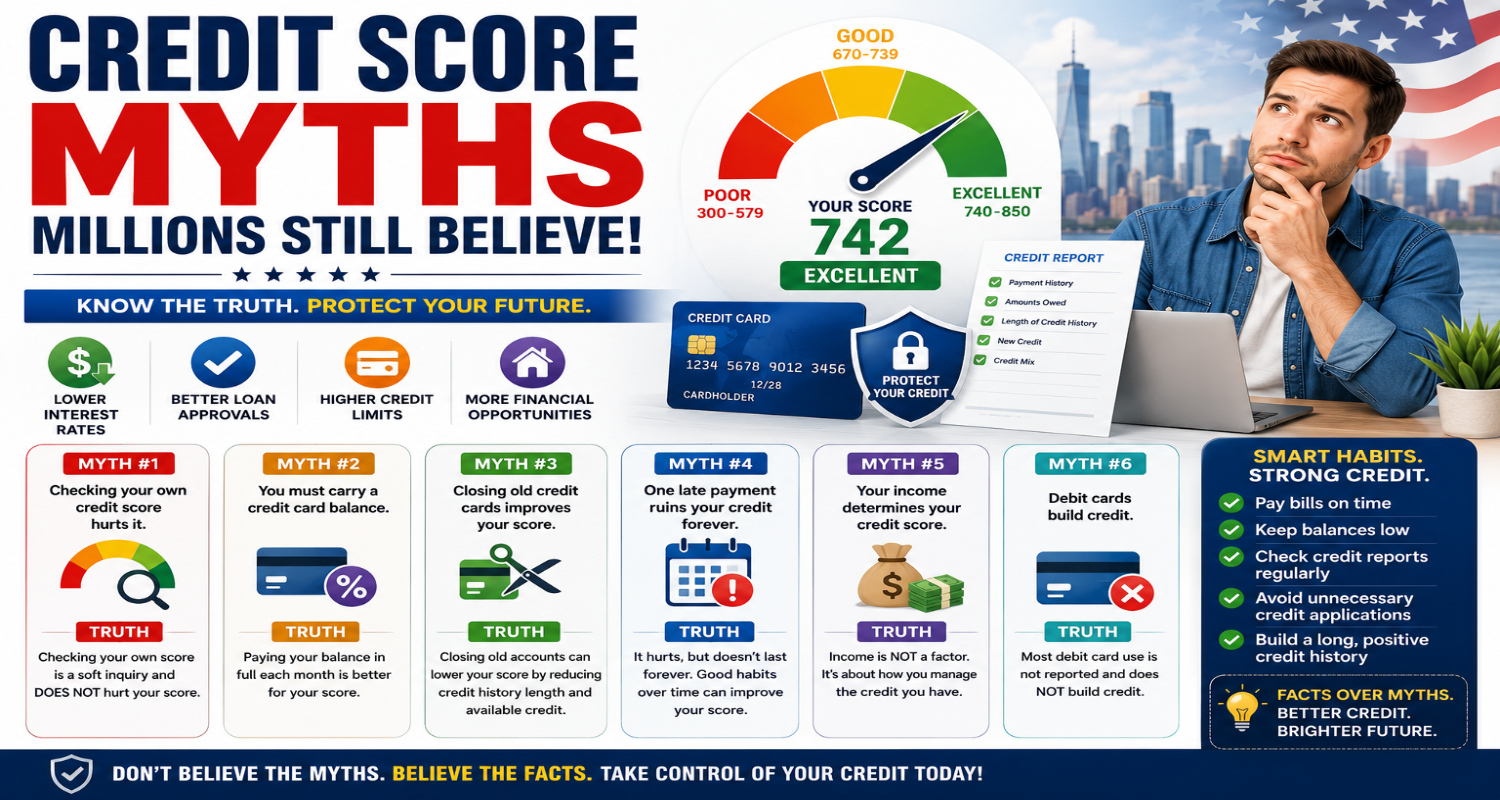
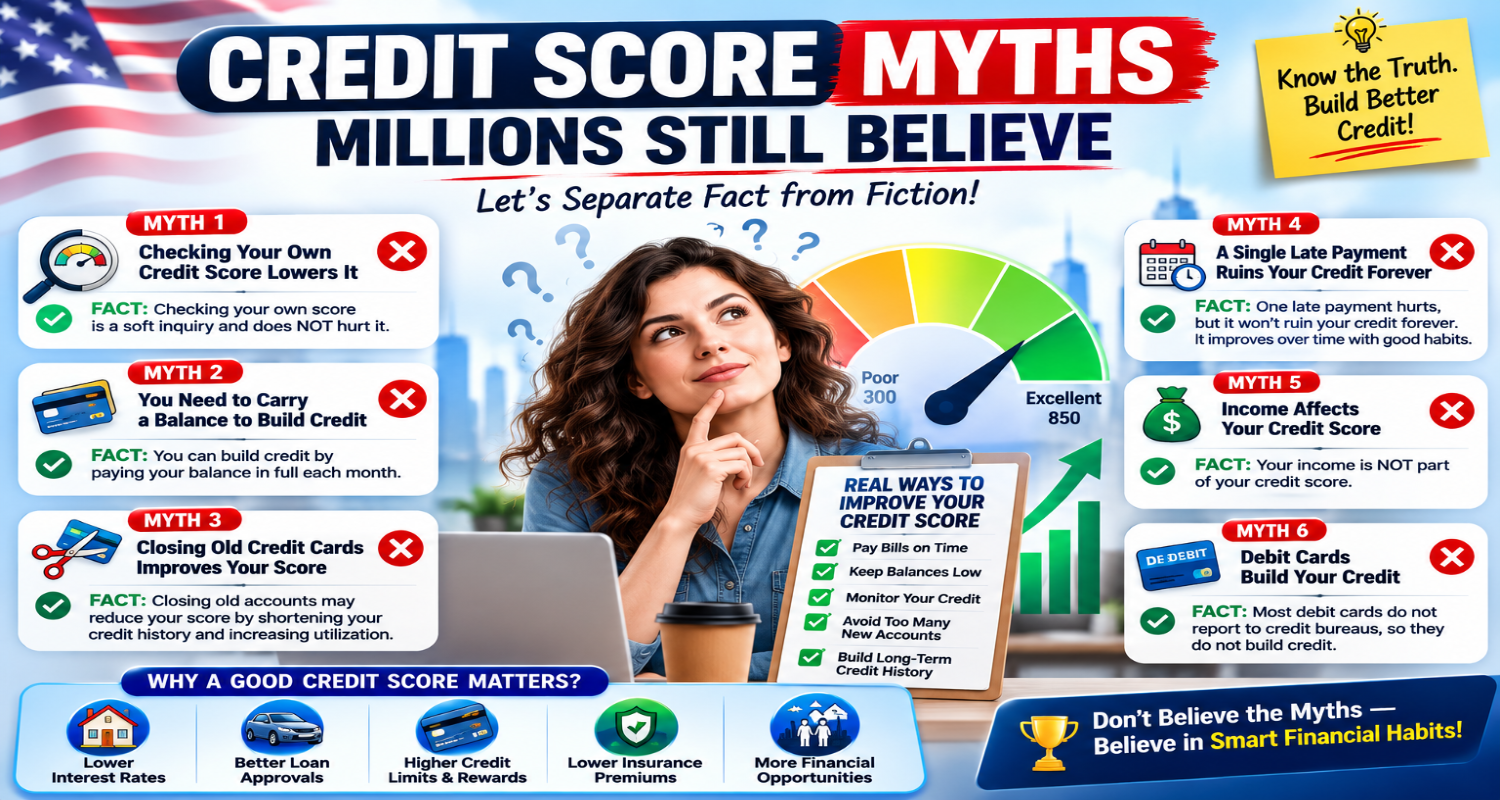
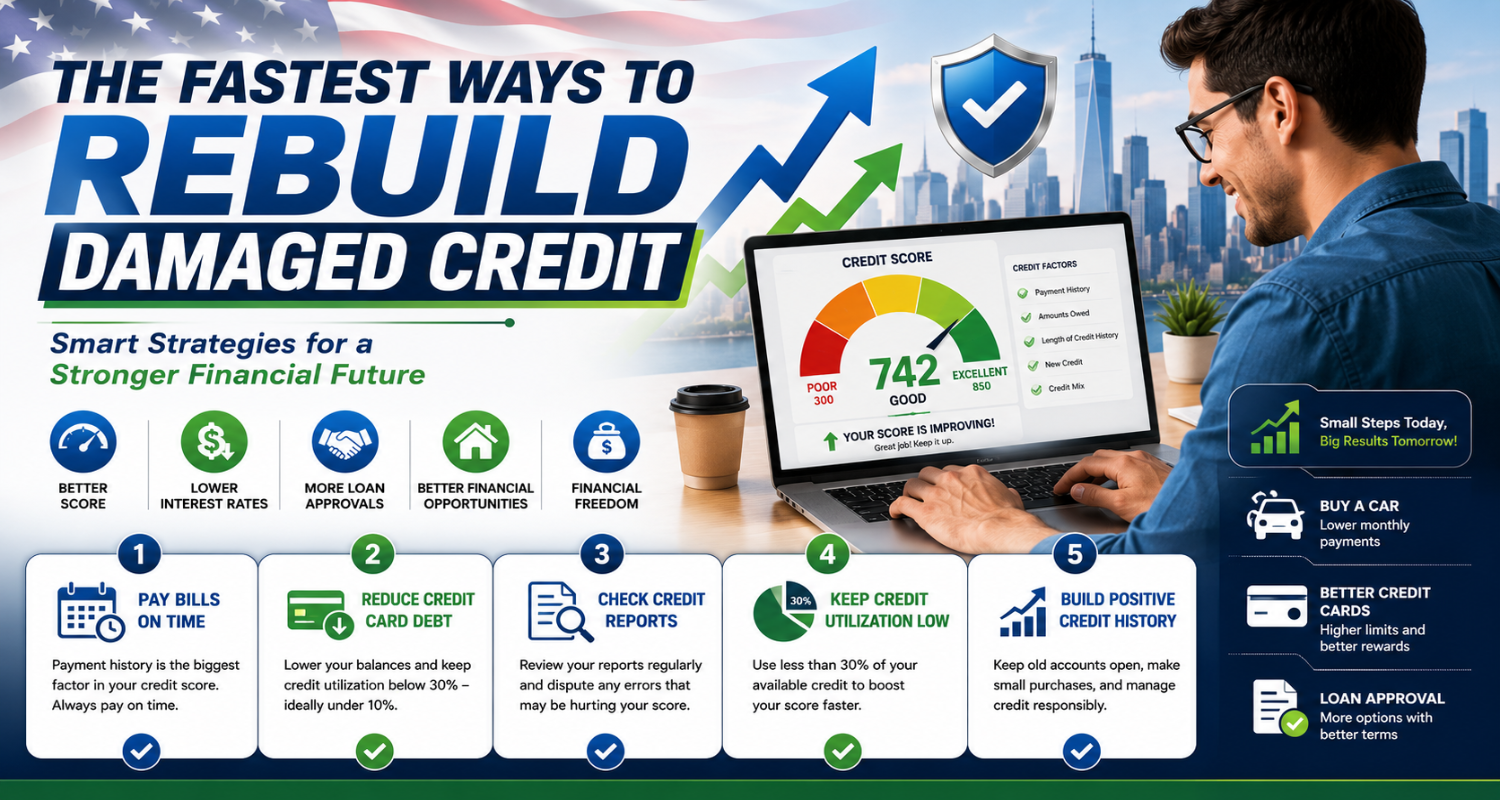
Does Paying Off a Personal Loan Early Hurt Your Credit Score?
Usually, no.
Some borrowers notice a temporary score change.
This happens because:
- The loan account closes.
- Credit mix changes slightly.
- Active installment accounts decrease.
However, payment history remains on your credit report for years.
More importantly, paying bills on time continues to be the biggest factor affecting your credit score.
How to Pay Off Your Personal Loan Faster
If early repayment fits your goals, consider these strategies.
Make Biweekly Payments
Instead of paying monthly, split your payment into two smaller payments every two weeks.
This often results in one extra payment each year.
Add Extra to Every Payment
Even adding $50 or $100 each month reduces your principal faster.
Over several years, these extra payments can save significant interest.
Use Tax Refunds or Bonuses
Unexpected money is a great opportunity.
Instead of spending your refund, apply it toward your loan balance.
Round Up Payments
If your payment is $327, pay $350.
Small amounts make a noticeable difference over time.
Refinance If Rates Drop
If interest rates decrease, refinancing may reduce your payment or shorten your repayment period.
However, compare fees before refinancing.
Questions to Ask Before Paying Off Your Loan Early
Before sending extra money, ask yourself:
- Do I have emergency savings?
- Does my loan charge prepayment penalties?
- Could I earn more by investing?
- Do I have higher-interest debt?
- Will paying early improve my financial goals?
Answering these questions helps you make the smartest decision.
Final Thoughts
So, should you pay off your personal loan early?
For many Americans, the answer is yes, especially if the loan carries a high interest rate and there are no prepayment penalties. Paying off debt early can save money, improve cash flow, reduce financial stress, and strengthen your overall financial position.
However, it isn’t the right choice for everyone. If you have limited savings, high-interest credit card debt, or better investment opportunities, holding onto extra cash may provide greater long-term value.
The best strategy is to review your loan agreement, compare your financial priorities, and choose the option that supports your future goals. Paying off a loan early should improve your finances—not strain them.
Consumer Financial Protection Bureau (CFPB):
Frequently Asked Questions (FAQs)
Is it always good to pay off a personal loan early?
No. It depends on your interest rate, emergency savings, investment opportunities, and whether your lender charges prepayment penalties.
Can paying off a personal loan improve my credit?
It can improve your debt-to-income ratio. However, your credit score may experience a small temporary change after the loan closes.
How much interest can I save?
The amount depends on your loan balance, interest rate, and how early you pay it off. Higher interest rates usually lead to greater savings.
Should I pay off my loan or invest?
If your loan has a low interest rate and investments may earn more over time, investing could make sense. Consider your risk tolerance and financial goals before deciding.