 MOHAMMAD ABUBAKR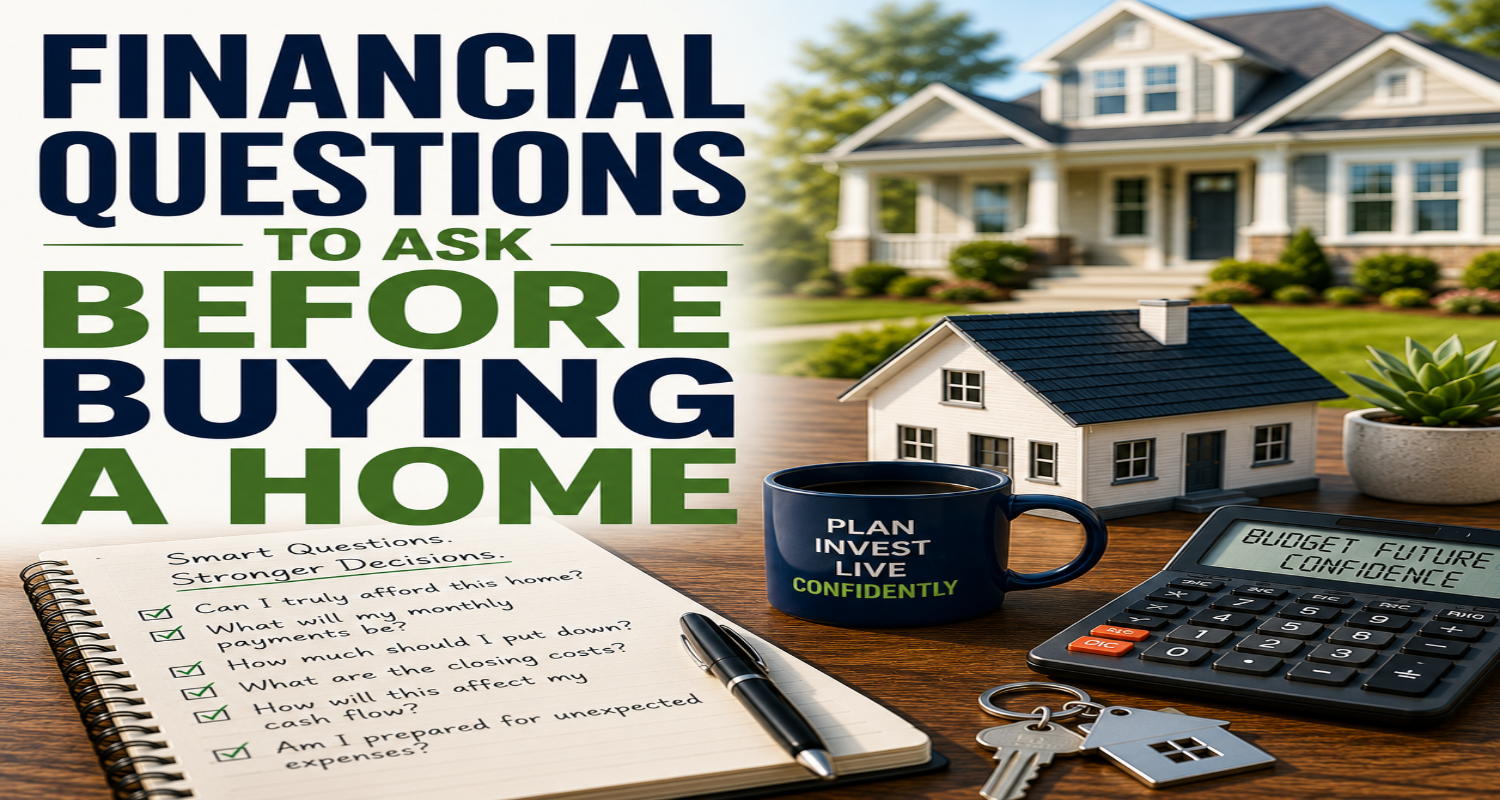
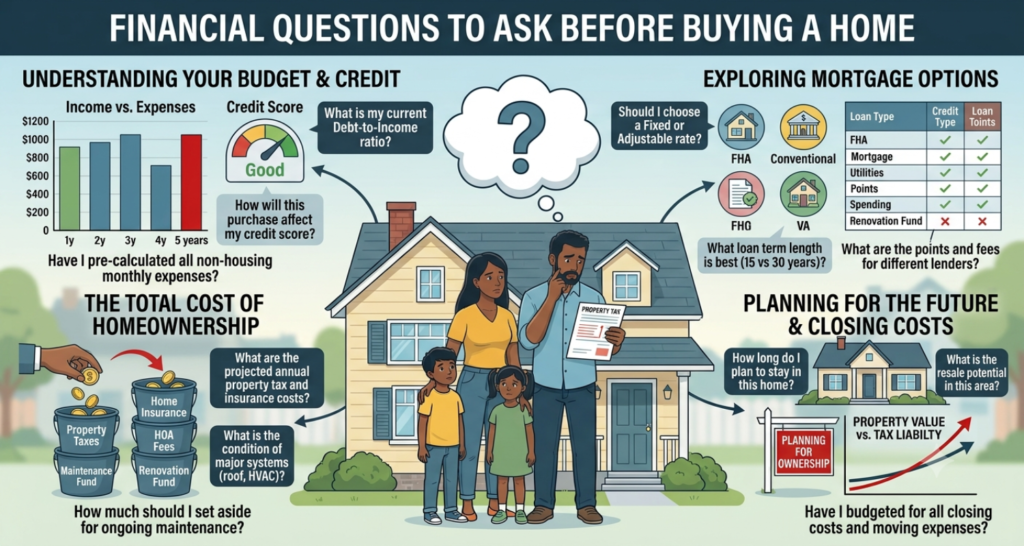
Buying a home is one of the biggest financial decisions you’ll ever make. While it’s easy to focus on finding the perfect property, it’s equally important to evaluate whether you’re financially prepared for homeownership. Asking the right questions before making an offer can help you avoid financial stress, unexpected expenses, and buyer’s remorse.
Many first-time buyers concentrate on the down payment and monthly mortgage. However, owning a home involves ongoing costs such as property taxes, insurance, maintenance, and repairs. Taking time to answer a few key financial questions can help you choose a home that fits your budget both today and in the future.
This guide covers the most important financial questions to ask before buying a home so you can make a confident and informed decision.
Why Financial Planning Matters Before Buying a Home
A home purchase affects your finances for many years. Careful planning helps you:
- Avoid becoming house-poor
- Build long-term financial stability
- Prepare for unexpected expenses
- Improve your chances of mortgage approval
- Protect your savings and investments
Buying a home should strengthen your financial future—not create unnecessary financial pressure.
What Is Compound Interest and Why Does It Matter
1. Can I Truly Afford This Home?
The purchase price is only part of the equation.
Ask yourself whether you can comfortably afford:
- Monthly mortgage payments
- Property taxes
- Homeowners insurance
- Utility bills
- Maintenance and repairs
- Homeowners Association (HOA) fees, if applicable
If these costs stretch your budget too thin, consider a less expensive property.
2. How Much Should I Spend on a Home?
Just because a lender approves you for a certain loan amount doesn’t mean you should borrow the maximum.
Instead, determine a comfortable monthly housing budget that still allows you to:
- Save for retirement
- Build an emergency fund
- Pay other bills
- Enjoy your lifestyle
- Reach future financial goals
Buying below your maximum borrowing limit often provides greater financial flexibility.
3. Do I Have Enough Saved for a Down Payment?
A larger down payment can offer several benefits, including:
- Lower monthly mortgage payments
- Reduced interest costs
- Better loan terms
- Avoiding Private Mortgage Insurance (PMI) in many cases
However, avoid using all your savings for the down payment.
You’ll still need money for closing costs and emergencies.
4. Do I Have an Emergency Fund?
Unexpected expenses are part of homeownership.
Examples include:
- Roof repairs
- Plumbing leaks
- Heating and cooling system failures
- Appliance replacements
Financial experts generally recommend keeping three to six months of living expenses in an emergency fund after purchasing your home.
5. How Stable Is My Income?
Buying a home makes the most sense when your income is reliable.
Consider:
- Job stability
- Career growth
- Potential changes in income
- Self-employment income consistency
If your income fluctuates significantly, buying a home may require additional financial planning.
6. How Much Debt Do I Already Have?
Your existing debt affects both mortgage approval and monthly affordability.
Review obligations such as:
- Credit cards
- Auto loans
- Student loans
- Personal loans
Reducing high-interest debt before buying a home can improve your financial position and may help you qualify for better mortgage terms.
7. What Will My Total Monthly Housing Costs Be?
Your housing payment includes more than your mortgage.
Calculate:
- Principal
- Interest
- Property taxes
- Homeowners insurance
- PMI (if required)
- HOA fees
- Utilities
Looking at the full monthly cost gives you a more accurate picture of affordability.
8. Am I Prepared for Maintenance Costs?
Homes require ongoing maintenance.
Common expenses include:
- Lawn care
- HVAC servicing
- Roof inspections
- Painting
- Plumbing repairs
- Appliance maintenance
Many homeowners budget 1% to 2% of the home’s value annually for maintenance, though actual costs vary.
9. How Long Do I Plan to Stay?
Buying a home usually makes more financial sense if you expect to stay for several years.
Selling too soon may result in:
- Real estate agent commissions
- Closing costs
- Moving expenses
- Potential market losses
Think about your career, family plans, and long-term goals before purchasing.
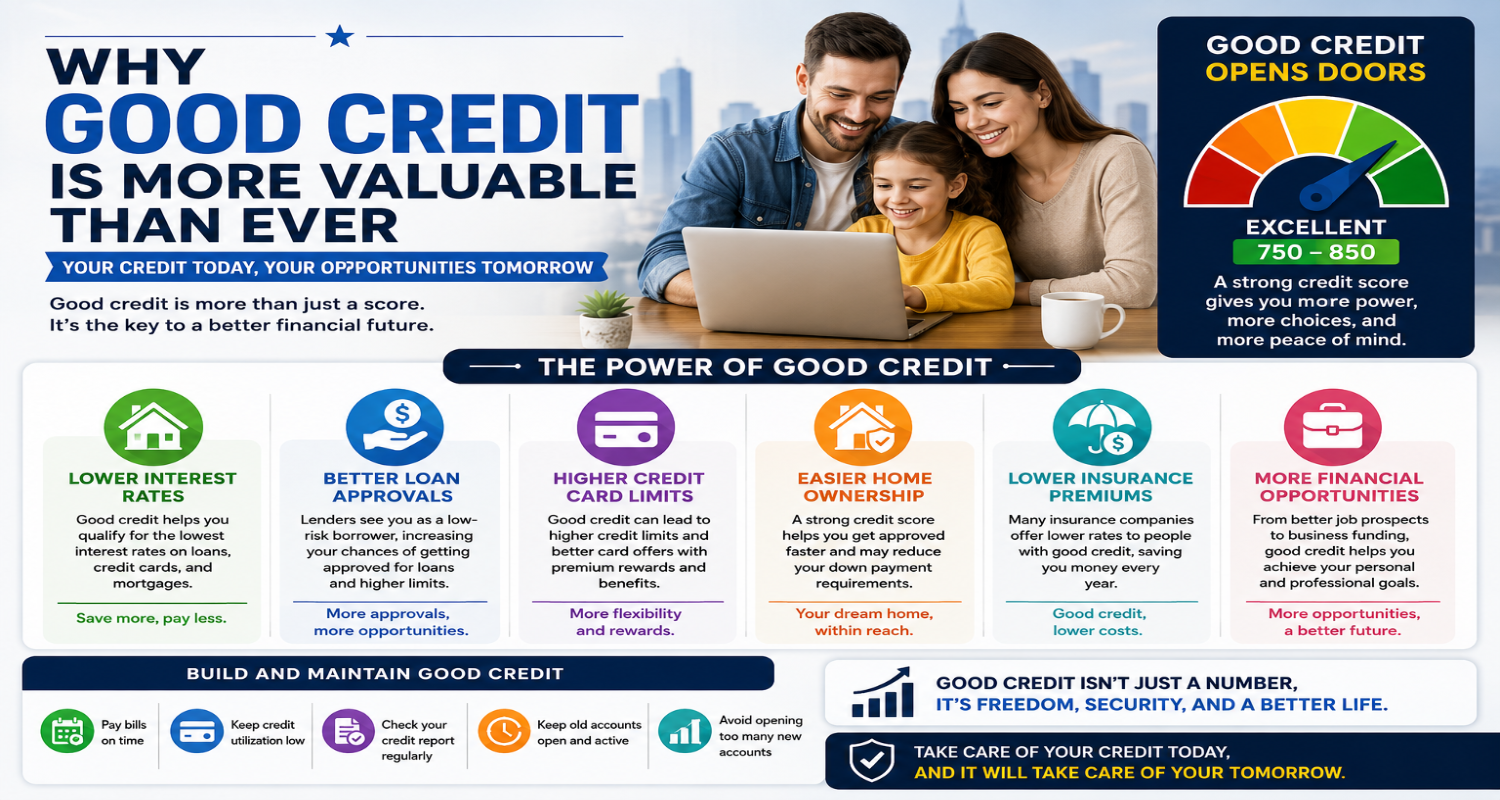
10. Is My Credit Score Ready?
Your credit score directly affects:
- Mortgage approval
- Interest rates
- Loan options
- Monthly payments
Improving your credit score before applying could save thousands over the life of your loan.
11. What Interest Rate Can I Qualify For?
Mortgage interest rates vary based on:
- Credit score
- Income
- Down payment
- Loan type
- Market conditions
Even a slightly lower interest rate can reduce your monthly payment and total borrowing costs significantly.
12. Have I Compared Multiple Mortgage Lenders?
Don’t accept the first loan offer you receive.
Compare multiple lenders by reviewing:
- Interest rates
- Closing costs
- Loan fees
- Customer service
- Loan programs
Shopping around can save you money over the life of your mortgage.
13. What Hidden Costs Could I Face?
Many buyers forget expenses such as:
- Closing costs
- Moving expenses
- Furniture
- Utility connection fees
- Home inspections
- Immediate repairs
Planning for these costs helps prevent financial surprises after closing.
14. Am I Still Saving for Retirement?
Buying a home shouldn’t stop you from investing in your future.
If your mortgage payment leaves no room for retirement contributions, you may want to reconsider your budget or purchase price.
A balanced financial plan supports both homeownership and long-term wealth building.
15. What Happens If My Financial Situation Changes?
Life is unpredictable.
Ask yourself:
- Could I afford my home if my income temporarily declined?
- Would I still be comfortable during unexpected medical expenses?
- Could I manage a major repair without taking on debt?
Thinking ahead helps build financial resilience.
Signs You’re Financially Ready to Buy a Home
You may be ready if you:
- Have a stable income
- Maintain an emergency fund
- Have manageable debt
- Possess a good credit score
- Can comfortably afford monthly housing costs
- Have enough savings for the down payment and closing costs
- Plan to stay in the home for several years
Common Financial Mistakes to Avoid
Many buyers make these avoidable errors:
- Buying more home than they can comfortably afford
- Draining all savings for the down payment
- Ignoring maintenance costs
- Failing to compare mortgage lenders
- Overlooking property taxes and insurance
- Carrying high-interest debt into homeownership
Avoiding these mistakes can improve your financial security and reduce stress.
Tips for Making a Smart Home Purchase
- Set a realistic budget before shopping.
- Get pre-approved for a mortgage.
- Improve your credit score if possible.
- Save for unexpected expenses.
- Compare several mortgage offers.
- Read all loan documents carefully.
- Think about your long-term financial goals—not just today’s needs.
Final Thoughts
Buying a home is more than choosing the right location or floor plan. It’s a major financial commitment that requires careful planning and honest self-assessment. By asking the right financial questions before buying a home, you’ll gain a clearer understanding of what you can truly afford and avoid costly surprises later.
A well-planned purchase not only makes homeownership more enjoyable but also supports your long-term financial health. Taking the time to prepare today can help you build wealth, reduce stress, and enjoy your new home with confidence.
Consumer Financial Protection Bureau (CFPB):
Frequently Asked Questions (FAQs)
What is the most important financial question before buying a home?
The most important question is whether you can comfortably afford the total cost of homeownership, including mortgage payments, property taxes, insurance, maintenance, and unexpected repairs.
How much should I have saved before buying a home?
In addition to your down payment, you should have enough savings for closing costs and an emergency fund covering three to six months of living expenses.
Should I pay off debt before buying a home?
Paying down high-interest debt can improve your debt-to-income ratio, increase your mortgage approval chances, and help you qualify for better interest rates.
Why should I compare mortgage lenders?
Different lenders may offer different interest rates, fees, and loan terms. Comparing multiple offers can save you thousands over the life of your mortgage.