 MOHAMMAD ABUBAKR
For generations, owning a home has symbolized success, stability, and financial security in the United States. The idea of having a place to call your own has long been considered a key part of the American Dream. However, rising home prices, higher mortgage interest rates, increasing property taxes, and changing lifestyles have caused many people to question whether homeownership is still worth pursuing.
Today, buying a home is more expensive than it was just a few years ago. At the same time, many Americans are choosing to rent longer, relocate for work, or invest their money in other ways. While homeownership remains an important goal for millions, it is no longer the only path to financial success.
In this guide, we’ll examine whether homeownership is still the American Dream, discuss its benefits and challenges, and help you decide whether buying a home aligns with your financial goals.
What Does the American Dream Mean?
Traditionally, the American Dream has included:
- Owning a home
- Building financial security
- Achieving upward mobility
- Raising a family in a stable community
- Creating wealth for future generations
For decades, homeownership has been viewed as one of the best ways to achieve these goals.
Financial Questions to Ask Before Buying a Home
Why Homeownership Is Still Important
Despite changing economic conditions, many people still value owning a home.
1. Building Equity
Unlike renting, mortgage payments gradually build equity in your property.
As you pay down your loan and your home’s value potentially increases over time, your ownership stake grows.
Home equity can become one of your largest financial assets.
2. Long-Term Stability
Owning a home offers stability that renting often cannot.
Homeowners generally have more control over:
- Where they live
- Renovations and improvements
- Long-term housing plans
- Community involvement
This stability is especially valuable for families planning to stay in one area for several years.
3. Potential Wealth Building
Historically, residential real estate has helped many Americans build long-term wealth.
Although home values can rise and fall, responsible homeownership combined with long-term ownership has often contributed to household wealth.
However, appreciation is never guaranteed and varies by market.
4. Predictable Housing Costs
With a fixed-rate mortgage, the principal and interest portions of your payment remain the same throughout the loan term.
However, remember that:
- Property taxes can increase.
- Homeowners insurance premiums may rise.
- Maintenance costs continue throughout ownership.
Overall housing costs are more predictable than rent increases in many situations, but they are not fixed.
5. Freedom to Personalize
Homeowners can usually:
- Remodel kitchens
- Paint walls
- Upgrade flooring
- Landscape gardens
- Add home offices
These improvements allow owners to customize their living space to match their needs and lifestyle.
Why Some Americans Are Waiting to Buy
Homeownership isn’t the right choice for everyone.
Several factors have made buying more difficult.
Rising Home Prices
Home prices have increased significantly in many parts of the United States.
Higher prices mean:
- Larger down payments
- Bigger mortgages
- Higher monthly payments
Many first-time buyers need more time to save.
Higher Mortgage Interest Rates
Mortgage rates have increased compared with the historic lows seen in earlier years.
Higher rates mean:
- Larger monthly payments
- Higher lifetime interest costs
- Reduced purchasing power
Even a small increase in interest rates can affect affordability.
Student Loan Debt
Many younger buyers continue to manage student loans.
Large monthly debt payments can reduce:
- Mortgage eligibility
- Savings for a down payment
- Overall affordability
Lifestyle Flexibility
Many professionals prefer renting because it offers greater flexibility.
Renting may be beneficial if you:
- Change jobs frequently
- Move often
- Are unsure where you’ll live long-term
- Want fewer maintenance responsibilities
Is Renting Always a Bad Choice?
No.
Renting can make financial sense in many situations.
Benefits include:
- Greater mobility
- Lower upfront costs
- No responsibility for major repairs
- Easier relocation
- Predictable maintenance responsibilities
For some households, renting while investing the difference in diversified assets may be a better fit than buying.
Questions to Ask Before Buying a Home
Before purchasing, ask yourself:
- Do I have a stable income?
- Can I comfortably afford monthly housing costs?
- Do I have an emergency fund?
- Am I planning to stay in this area for several years?
- Have I saved enough for a down payment and closing costs?
- Can I afford maintenance and unexpected repairs?
Answering “yes” to these questions may indicate you’re financially prepared.
Financial Benefits of Homeownership
Owning a home may offer several long-term financial advantages.
These include:
- Building home equity
- Potential property appreciation
- Stable housing over time
- Opportunities to refinance if conditions improve
- Leaving an asset to heirs
While these benefits can be meaningful, they depend on your financial situation and the housing market.
Challenges of Homeownership
Buying a home also comes with responsibilities.
Common challenges include:
- Property taxes
- Homeowners insurance
- Ongoing maintenance
- Repair costs
- Mortgage interest
- HOA fees in some communities
These costs should always be included in your budget.
Who Should Consider Buying?
Buying may be a good choice if you:
- Have stable employment
- Plan to stay in one location for several years
- Have manageable debt
- Can comfortably afford homeownership costs
- Have sufficient emergency savings
Who May Benefit from Waiting?
You might postpone buying if you:
- Have unstable income
- Carry significant high-interest debt
- Lack emergency savings
- Expect to relocate soon
- Haven’t saved enough for upfront costs
Waiting until your finances are stronger may help you make a more confident purchase.
Tips for Future Homeowners
If homeownership is one of your goals, consider these steps:
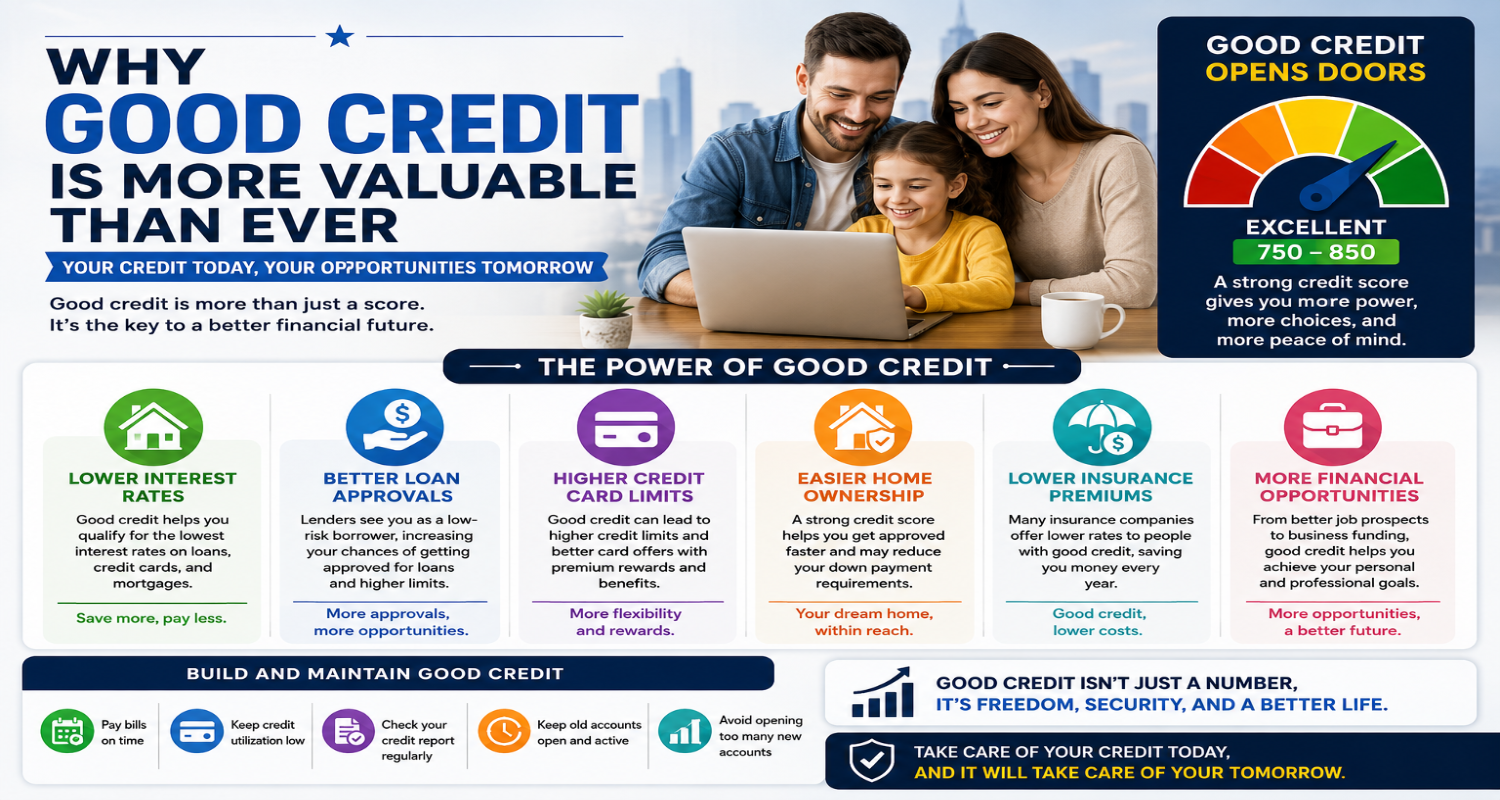
- Improve your credit score.
- Save consistently for a down payment.
- Build an emergency fund.
- Reduce high-interest debt.
- Compare mortgage lenders.
- Buy a home that fits your long-term budget, not just the maximum loan you qualify for.
Common Myths About Homeownership
Myth 1: Renting Is Always Throwing Money Away
Not necessarily.
Renting provides housing, flexibility, and fewer maintenance responsibilities. Depending on your circumstances, it can be the better financial choice.
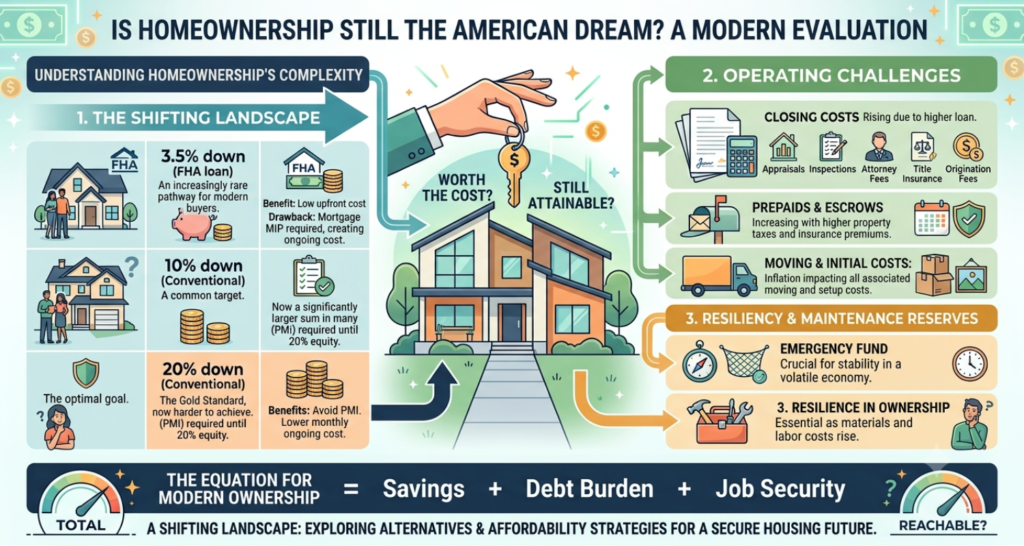
Myth 2: You Need a 20% Down Payment
False.
Many mortgage programmes allow qualified buyers to purchase a home with a smaller down payment.
Myth 3: Buying Is Always Better Than Renting
False.
The better choice depends on your finances, career plans, local housing market, and personal goals.
Final Thoughts
Homeownership continues to be an important goal for many Americans, but the meaning of the American Dream has evolved. Owning a home can provide stability, build equity, and support long-term wealth creation. At the same time, rising home prices, higher borrowing costs, and changing lifestyles mean buying isn’t automatically the right decision for everyone.
Rather than asking whether homeownership is still the American Dream, a better question is whether it fits your financial goals, lifestyle, and future plans. When you buy at the right time and within your budget, homeownership can still be a rewarding investment in your future.
Consumer Financial Protection Bureau (CFPB):
Frequently Asked Questions (FAQs)
Is homeownership still worth it in 2026?
For many people, yes. If you have stable finances, plan to stay in one place for several years, and can comfortably afford the costs of ownership, buying a home can be a sound long-term decision.
Is renting better than buying?
Neither option is universally better. Renting offers flexibility and lower upfront costs, while buying can help build equity and provide long-term stability.
What is the biggest challenge facing homebuyers today?
High home prices, elevated mortgage interest rates, and the need to save for a down payment and closing costs are among the biggest challenges.
Should I wait to buy a home?
If you’re not financially prepared, have unstable income, or expect to move soon, waiting may be the wiser choice. Buying should fit your long-term financial plan rather than being driven by pressure or fear of missing out.