
 MOHAMMAD ABUBAKR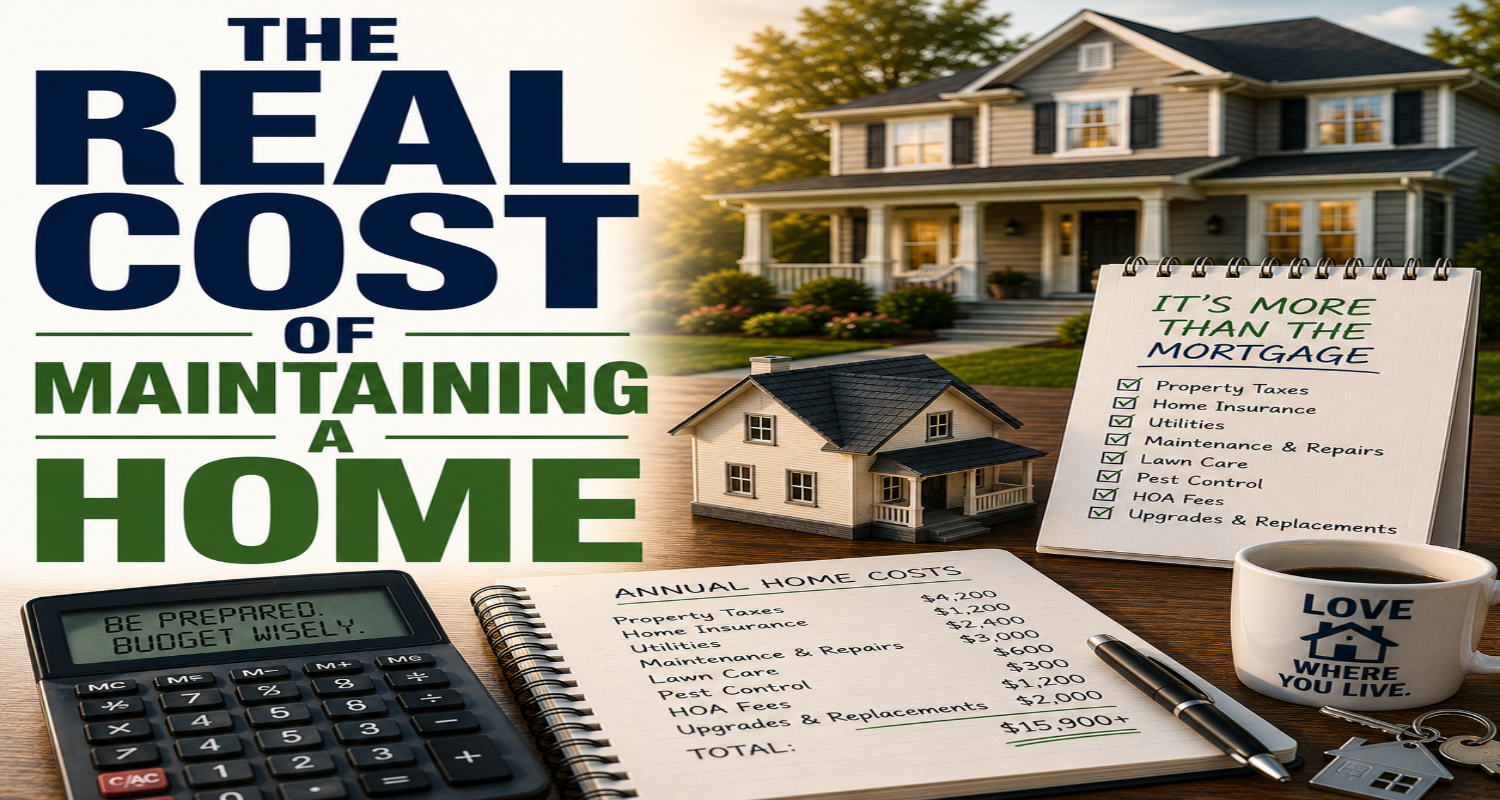
Buying a home is a major financial milestone, but the purchase price and monthly mortgage payment are only part of the overall cost of homeownership. Once you receive the keys, you’ll quickly discover that maintaining a home requires ongoing time, effort, and money. From routine maintenance and emergency repairs to rising utility bills and homeowners insurance, these expenses can add up faster than many buyers expect.
Many first-time homeowners underestimate these costs because they focus primarily on qualifying for a mortgage. However, understanding the real cost of maintaining a home can help you budget wisely, protect your investment, and avoid unnecessary financial stress.
In this guide, we’ll break down the most common home maintenance expenses, explain how much you should budget, and share practical tips for keeping costs under control.
Why Home Maintenance Matters
Your home is likely one of your largest financial assets. Regular maintenance helps:
- Protect your property’s value
- Prevent expensive repairs
- Improve energy efficiency
- Extend the life of major systems
- Keep your family safe and comfortable
Ignoring small issues today can often lead to much larger repair bills in the future.
Home Buying Costs Most People Forget
Common Home Maintenance Costs
Every home is different, but most homeowners should expect ongoing expenses in the following areas.
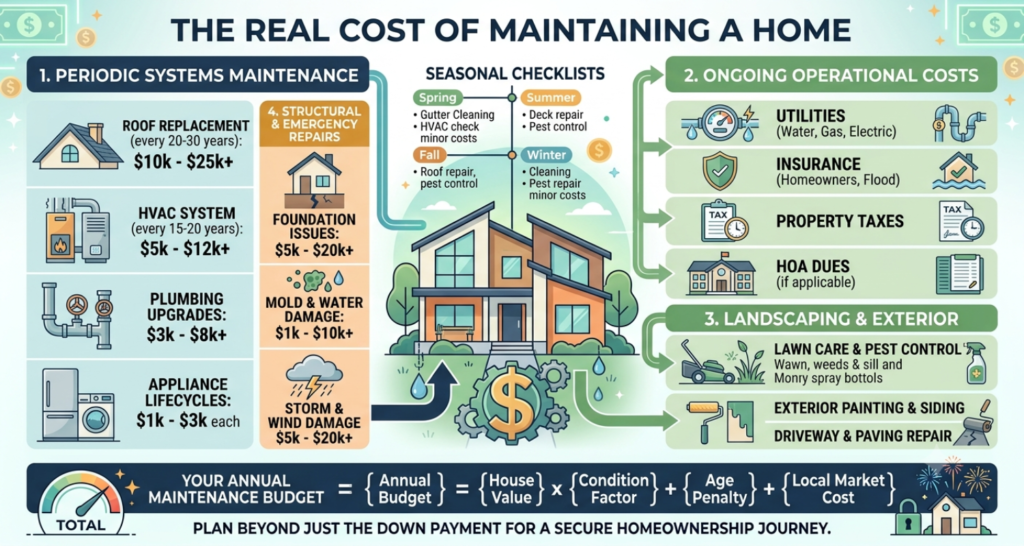
1. Routine Maintenance
Routine maintenance helps keep your home in good condition and prevents larger problems.
Typical tasks include:
- Cleaning gutters
- Replacing HVAC filters
- Servicing heating and cooling systems
- Inspecting the roof
- Checking smoke and carbon monoxide detectors
- Cleaning chimneys where applicable
- Sealing windows and doors
These jobs may seem minor, but skipping them can lead to costly repairs later.
2. Home Repairs
Even well-maintained homes require repairs over time.
Common repair costs include:
- Plumbing leaks
- Electrical problems
- Roof repairs
- Broken windows
- Appliance repairs
- Garage door repairs
- Fence repairs
Some repairs are inexpensive, while others may cost several thousand pounds.
3. Heating and Cooling Systems
Your HVAC system requires regular servicing to operate efficiently.
Maintenance may include:
- Annual inspections
- Filter replacements
- Cleaning ducts if needed
- Repairs to furnaces or air conditioning units
Replacing an entire heating or cooling system is one of the largest maintenance expenses homeowners may face.
4. Roof Maintenance
A roof protects your entire home.
Regular inspections can identify:
- Missing shingles
- Water damage
- Flashing issues
- Small leaks
Repairing minor roof damage early is usually much less expensive than replacing an entire roof.
5. Plumbing Maintenance
Water damage is one of the most costly home repairs.
Regular plumbing maintenance helps prevent:
- Burst pipes
- Leaks
- Drain blockages
- Water heater failures
Early detection can save thousands in repair costs.
6. Electrical Maintenance
Electrical systems should remain safe and up to date.
Potential expenses include:
- Replacing outdated wiring
- Installing new outlets
- Circuit breaker repairs
- Lighting upgrades
Electrical work should generally be completed by qualified professionals.
7. Exterior Maintenance
Your home’s exterior also requires ongoing care.
Expenses may include:
- Exterior painting
- Pressure washing
- Driveway repairs
- Fence maintenance
- Deck repairs
- Siding replacement
Maintaining the exterior protects your home from weather damage.
Utility Costs
Owning a home also means paying monthly utility bills.
These may include:
- Electricity
- Natural gas
- Water
- Sewer services
- Internet
- Waste collection
Utility costs vary depending on your home’s size, location, energy efficiency, and local rates.
Homeowners Insurance
Insurance protects your property against covered events such as fire, storms, or theft.
Premiums may increase over time because of:
- Inflation
- Local weather risks
- Rising rebuilding costs
- Previous insurance claims
Review your policy annually to ensure you have appropriate coverage.
Property Taxes
Property taxes are another recurring cost of homeownership.
Your annual bill depends on:
- Local tax rates
- Assessed property value
- Community services
- School district funding
As home values rise, property taxes may also increase.
Landscaping Expenses
Outdoor maintenance often requires ongoing spending.
Examples include:
- Lawn mowing
- Tree trimming
- Fertiliser
- Irrigation repairs
- Garden tools
- Seasonal planting
If you hire professionals, these costs can become a regular monthly expense.
Pest Control
Preventing pest problems is generally less expensive than treating serious infestations.
Homeowners may need periodic pest control for:
- Termites
- Rodents
- Ants
- Wasps
- Cockroaches
Routine inspections can help detect issues early.
How Much Should You Budget?
A common financial guideline suggests setting aside 1% to 2% of your home’s value each year for maintenance and repairs.
For example:
| Home Value | Estimated Annual Maintenance Budget |
|---|---|
| £250,000 | £2,500–£5,000 |
| £400,000 | £4,000–£8,000 |
| £600,000 | £6,000–£12,000 |
These figures are estimates. Older homes or properties with deferred maintenance may require higher spending.
Build a Home Maintenance Fund
Instead of waiting for unexpected repairs, create a dedicated savings account for home maintenance.
Benefits include:
- Less financial stress
- Fewer surprises
- Reduced reliance on credit cards
- Better preparation for large repairs
Contributing a small amount each month can help build this fund over time.
Ways to Reduce Home Maintenance Costs
While maintenance is unavoidable, you can reduce expenses by following a proactive approach.
Perform Preventive Maintenance
Regular inspections help catch problems before they become major repairs.
Learn Simple DIY Tasks
Basic jobs such as replacing air filters, cleaning gutters safely, or sealing small gaps can save money.
However, leave complex plumbing, electrical, and structural work to qualified professionals.
Improve Energy Efficiency
Upgrading insulation, sealing drafts, and using energy-efficient appliances may lower utility bills over time.
Schedule Annual Inspections
Professional inspections can identify hidden problems before they become expensive emergencies.
Compare Service Providers
Request multiple quotes for major repairs or maintenance projects to ensure competitive pricing.
Common Homeowner Mistakes
Avoid these common errors:
- Ignoring small repairs
- Skipping annual maintenance
- Not budgeting for emergencies
- Forgetting to review insurance coverage
- Hiring contractors without checking credentials or references
- Delaying necessary repairs to save money
Addressing problems early is often less expensive than waiting.
Signs Your Maintenance Budget May Be Too Low
You may need to increase your maintenance savings if:
- Your home is more than 20 years old.
- You frequently postpone repairs.
- Your emergency fund is covering routine maintenance.
- Large systems like the roof or HVAC are nearing the end of their expected lifespan.
Planning ahead can help you avoid financial strain.
Final Thoughts
The real cost of maintaining a home goes far beyond the monthly mortgage payment. Routine maintenance, unexpected repairs, property taxes, insurance, utilities, and seasonal upkeep are all part of responsible homeownership. Although these costs may seem overwhelming, careful planning and regular maintenance can reduce expensive surprises and protect your investment.
The key is to budget realistically, save consistently, and address small issues before they become major problems. A well-maintained home not only provides a safe and comfortable place to live but also helps preserve its value for years to come.
Consumer Financial Protection Bureau (CFPB):
Frequently Asked Questions (FAQs)
How much should I budget for home maintenance each year?
Many financial experts recommend saving 1% to 2% of your home’s value annually for maintenance and repairs. Older homes may require a larger budget.
What is the biggest maintenance expense for homeowners?
Major systems such as roofs, heating and cooling equipment, plumbing, and structural repairs are often the most expensive.
Does homeowners insurance cover maintenance?
No. Homeowners insurance generally covers sudden, covered events such as fire or storm damage, but it does not pay for routine maintenance or normal wear and tear.
Is preventive maintenance worth the cost?
Yes. Regular maintenance can help prevent larger, more expensive repairs and extend the lifespan of your home’s major systems.